June 1, 2026

branding

Branding iron kennewick brings to mind a rich tapestry of history and craftsmanship that has shaped the local community. These tools, historically used for marking ownership, have evolved in their design and application, playing a significant role in various industries today. From agriculture to art, branding irons serve as a unique intersection of functionality and personalization, reflecting the identity of both products and their creators.

As we delve into the specifics of branding irons in Kennewick, we’ll uncover their historical significance, explore local businesses that utilize them, and examine the manufacturing processes that bring these tools to life. Additionally, we’ll highlight how branding irons have adapted to modern needs, showcasing their versatility and continued relevance in today’s world.

Overview of Branding Irons

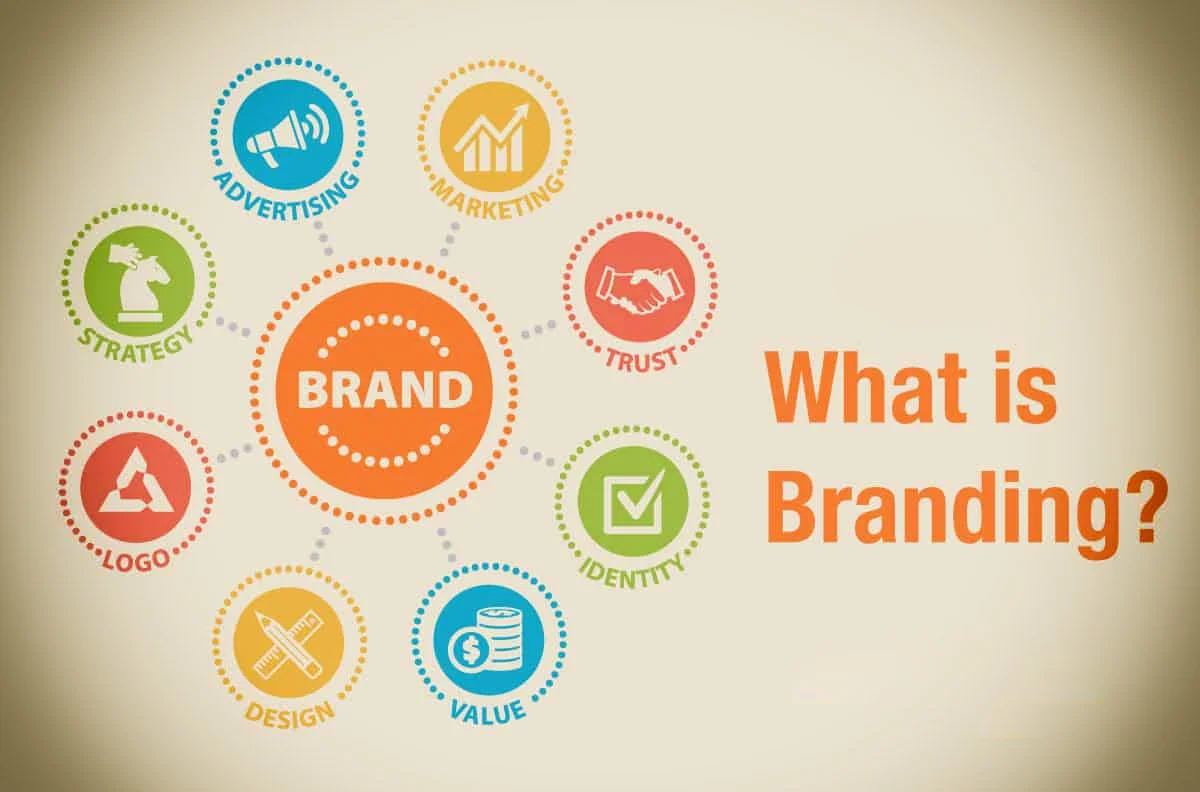
12 Inspiring Examples Of Corporate Branding

Branding irons have a rich history and serve an essential purpose in various fields, from agriculture to craft-making. These tools are primarily utilized for marking livestock, products, or surfaces with a specific design or logo. The historical significance of branding irons can be traced back to ancient civilizations, where they were used to signify ownership and establish identity.The production of branding irons involves the use of durable materials that can withstand high temperatures and wear.

Commonly, they are made from metals like steel, brass, or iron, which provide the necessary strength and heat retention for effective branding. The choice of material often depends on the specific application and the desired outcome of the branding process.

Types of Branding Irons and Their Applications

Understanding the different types of branding irons is vital for recognizing their wide-ranging applications. Each type is designed for specific uses, ensuring the effectiveness of the branding process.The main types include:

  • Hot Branding Irons: These are heated and then applied directly to the surface, leaving a permanent mark. Commonly used in livestock branding, they can also be used for wood and leather.
  • Cold Branding Irons: Used for branding livestock, these irons are kept at lower temperatures and create a less damaging mark. They are effective for marking cattle without causing severe burns.
  • Electric Branding Irons: These are powered by electricity and can reach high temperatures quickly. They are versatile and used in various applications, including leather crafting and wood branding.
  • Custom Branding Irons: Tailored to specific designs or logos, these can be hot or cold branding irons. They are popular in commercial applications and artisan crafts to enhance brand identity.

The selection of a branding iron type often depends on factors such as the material being branded, the intensity of branding required, and the desired permanence of the mark. Each type serves a purpose in ensuring that products or livestock are easily identifiable, thus reinforcing ownership and brand recognition.

“Branding is not just about marking a product; it’s about creating an identity that customers can recognize and trust.”

Branding Iron Kennewick

Branding irons hold a special place in the history and culture of Kennewick, not just as tools for marking livestock but as symbols of local identity and craftsmanship. In this vibrant community, branding irons represent a legacy of agriculture and entrepreneurship, intertwining personal stories with the broader narrative of the region.The role of branding irons in Kennewick’s history is deeply rooted in the area’s agricultural past.

Once a booming hub for ranching and farming, Kennewick’s landscape was shaped by the need for ranchers to identify their livestock. Branding irons served as a practical solution, allowing ranchers to establish ownership and deter theft. This tradition of branding has persisted, evolving into a craft that not only preserves history but also fosters local pride.

Local Businesses Utilizing Branding Irons

Several businesses in Kennewick have embraced the art of branding irons, showcasing their significance in both trade and community. These establishments not only utilize branding irons for their practical purposes but also promote a sense of heritage and craftsmanship.

Local Ranches

Many ranches in the area continue the tradition of branding their livestock with custom irons, often passed down through generations. This practice not only helps maintain ownership but also serves as a point of pride for ranch owners.

Artisan Blacksmiths

Local blacksmiths create bespoke branding irons for both agricultural use and decorative purposes. These artisans often host workshops, teaching the craft to newcomers and ensuring the skill is preserved for future generations.

Custom Merchandise Shops

Businesses specializing in custom merchandise often offer branding services for local businesses. This includes creating personalized branding irons for small farms and businesses looking to mark their products with authenticity.The impact of these businesses on the community is significant. They contribute to the local economy, create job opportunities, and foster a sense of togetherness among residents.

“The tradition of branding is not just about ownership; it’s about community and identity in Kennewick.”

Stories of branding irons in Kennewick often highlight memorable moments and personal journeys. One such anecdote involves a local rancher who crafted a custom branding iron to commemorate his father’s legacy. This iron not only serves as a tool for marking cattle but also as a symbol of family heritage, passed down through generations. Similarly, community events often feature branding demonstrations, allowing residents to learn about the craft while connecting with their roots.In Kennewick, branding irons are more than tools; they are a reflection of the community’s rich agricultural heritage and a testament to the artisanship that continues to thrive in the area.

Manufacturing Process of Branding Irons

The manufacturing process of branding irons is a meticulous blend of artistry and technology, ensuring that each piece is crafted to perfection. Understanding these steps sheds light on how custom branding irons come to life, reflecting both tradition and innovation in their design and functionality.The journey of creating a custom branding iron begins with the design phase, where clients can specify their branding needs.

This is followed by material selection, typically high-quality steel for durability. Once the design is finalized and materials are chosen, the production process can begin.

Steps Involved in Creating a Custom Branding Iron

The creation of a branding iron involves several key steps that ensure precision and quality. Here are the main stages:

  • Design Creation: The first step involves creating a digital design of the branding iron. This can be done using computer-aided design (CAD) software, allowing for detailed specifications.
  • Material Preparation: High-quality steel or brass is selected based on the desired durability and finish. The material is cut to size, preparing it for the next stage.
  • Engraving: The design is transferred onto the metal using either traditional engraving methods or modern laser engraving technology, which allows for intricate details.
  • Shaping and Assembly: The branding iron is shaped using welding and machining techniques, ensuring that the handle is securely attached and comfortable to use.
  • Finishing Touches: The iron undergoes polishing and coating processes to prevent rust and enhance its aesthetic appeal.
  • Quality Control: Finally, the branding iron is tested for functionality, ensuring the design burns evenly and clearly when heated.

This structured approach helps in maintaining high standards and customizability for each branding iron produced.

Technology and Machinery Used in Production

Modern branding iron manufacturing employs advanced technology and machinery that enhance efficiency and precision. The following tools and techniques are vital in the production process:

  • Computer-Aided Design (CAD) Software: Used for creating and modifying designs, allowing for precision and complex patterns.
  • Laser Engravers: These machines enable high-resolution engraving, ensuring that even the most detailed designs can be accurately reproduced on the branding iron.
  • CNC Machines: Computer Numerical Control (CNC) machines are utilized for cutting and shaping the metal, providing consistency in size and form.
  • Welding Equipment: Essential for attaching handles and components securely, ensuring durability during use.
  • Polishing Tools: Various polishing machines are used to give the branding iron a smooth finish, enhancing its appearance and usability.

These technologies not only streamline the manufacturing process but also elevate the overall quality of the final product.

Comparison of Traditional Methods to Modern Techniques

The evolution from traditional to modern methods of manufacturing branding irons marks a significant advancement in both craftsmanship and efficiency. Here’s how they compare:

  • Craftsmanship: Traditional methods often relied on hand tools and manual techniques, showcasing high levels of craftsmanship but limited scalability. Modern techniques incorporate automation, allowing for mass production without sacrificing quality.
  • Precision: Handcrafted branding irons may have slight variations, while modern laser engravers and CNC machines produce highly precise reproductions of designs.
  • Time Efficiency: Traditional methods can be time-consuming, whereas modern machinery significantly reduces the production timeline, enabling faster delivery to clients.
  • Cost-Effectiveness: While traditional methods may involve higher labor costs due to the amount of manual work required, modern manufacturing can lower costs through automation and increased production efficiency.

The balance of tradition and modernity in the manufacturing process of branding irons ensures that customers receive a product that is not only functional but also reflective of both heritage and contemporary craftsmanship.

Uses of Branding Irons in Various Industries

Branding irons serve a critical role in multiple industries, allowing businesses to reinforce their identity and create a lasting impression. From agriculture to art, the application of branding irons varies widely, showcasing their versatility and importance in branding efforts.Branding irons are traditionally associated with marking livestock, but their use has evolved, and they are now found across various sectors. This evolution includes innovative applications in manufacturing, crafts, and promotional events, demonstrating the adaptability of branding irons in modern contexts.

Industries Utilizing Branding Irons

Branding irons are prominently used in several industries, each using them in unique ways to enhance branding and identification. Below are some key industries that commonly employ branding irons:

  • Agriculture: Farmers utilize branding irons to mark livestock, ensuring ownership and identification, which is crucial for herd management.
  • Art: Artists use branding irons to sign their work, adding a personal touch and authenticity to their creations.
  • Manufacturing: In this sector, branding irons are used for marking products, which can enhance traceability and branding.
  • Outdoor Recreation: Companies producing outdoor gear often use branding irons to label their products, ensuring brand visibility in competitive markets.
  • Food and Beverage: Some chefs and restaurants brand their steaks or burgers with a custom iron, adding a unique flair to their presentation.

Innovative Uses of Branding Irons

Beyond their traditional applications, branding irons have found innovative uses that stretch their potential. These creative adaptations highlight how branding can be applied in unexpected contexts, enhancing customer experience and engagement.

  • Custom Gifts: Branding irons are increasingly used to create personalized gifts, such as engraved wood or leather items, making them unique for recipients.
  • Event Branding: At weddings or corporate events, branding irons can imprint logos or the couple’s name on food items, enhancing the theme and memorability of the event.
  • DIY Projects: Hobbyists and crafters use branding irons for personalized crafts, from custom furniture to home decor, allowing for artistic expression while promoting brand identity.
  • Merchandising: Companies utilize branding irons at trade shows to stamp logos on promotional items, creating a memorable takeaway for potential customers.

Effectiveness of Branding Irons in Different Industries

To illustrate the varying effectiveness of branding irons, the following table presents a comparison of their applications across selected industries. Each industry demonstrates unique benefits derived from using branding irons, emphasizing their value in branding strategy.

Industry Primary Use Effectiveness
Agriculture Marking livestock High – Essential for ownership identification and herd management
Art Signing artworks Moderate – Adds authenticity, but dependent on artist style
Manufacturing Product marking High – Enhances traceability and brand recognition
Outdoor Recreation Labeling outdoor gear Moderate – Contributes to brand visibility in a competitive market
Food and Beverage Branding food items High – Creates a unique dining experience and brand identity

Custom Branding Irons

Custom branding irons are a fantastic way to showcase unique designs and personal touches, whether for personal use, business branding, or special events. The process of creating a custom branding iron involves collaboration between the designer and the manufacturer to ensure that every detail is captured accurately and effectively. This process allows individuals and businesses to express their identity and values through a physical mark that can be applied to various materials.The journey from concept to final product typically begins with an idea or inspiration.

Clients might come with sketches, logos, or specific themes they want to incorporate. After an initial consultation to discuss preferences, size, and design elements, the design is drafted using computer-aided design (CAD) software. This digital representation allows for easy adjustments and refinements before the actual branding iron is made. Once approved, the design is transferred to a material suitable for branding, often steel or brass, and crafted using techniques like laser engraving or traditional machining.

The result is a high-quality branding iron that perfectly represents the vision of the client.

Unique Branding Iron Designs and Their Meanings

Custom branding irons can take many forms, each carrying its unique significance. Here are a few examples of distinctive designs and what they symbolize:

  • Family Crest: A family crest branding iron often features elements that represent a family’s heritage, values, or achievements, making it a cherished heirloom.
  • Company Logo: Businesses often create branding irons with their logos to enhance their product branding, leaving a lasting impression on customers.
  • Monograms: Personalized monogram branding irons can be used for weddings or personal gifts, symbolizing unity and individuality through initials.
  • Custom Illustrations: Unique artwork or illustrations can be incorporated to reflect personal interests or hobbies, adding a creative flair to the branding process.

The meanings behind each design can vary, but they often encapsulate personal stories, values, or aspirations, making the branding iron not just a tool but a symbol of identity.

Factors to Consider When Creating a Personalized Branding Iron

Designing a personalized branding iron requires thoughtful consideration of several key factors to ensure that the final product meets expectations. Below are important elements to keep in mind during the design process:

  • Design Complexity: The intricacy of the design can affect the manufacturing process and the clarity of the final mark.
  • Size and Shape: Consideration of the dimensions and shape is crucial for usability and the intended application of the branding iron.
  • Material Choice: Selecting a durable material that withstands high temperatures and repeated use is essential for a long-lasting branding iron.
  • Intended Use: Understanding where and how the branding iron will be used helps in creating an appropriate design and functionality.
  • Heat Resistance: Ensure the selected materials can withstand the heat required for effective branding without degrading.

Considering these factors ensures that the custom branding iron not only serves its purpose but also embodies the vision and quality that the client desires. Each branding iron tells a story, making it a meaningful addition to any personal or business endeavor.

Safety and Maintenance of Branding Irons

When utilizing branding irons, safety and maintenance are paramount to ensure both user safety and the longevity of the equipment. Branding irons, particularly when heated, pose risks if not handled correctly, and their maintenance is crucial for consistent performance. Understanding the necessary precautions and care practices can significantly enhance the user experience and extend the lifespan of the tools.

Safety Precautions When Using a Branding Iron

Using branding irons safely involves adhering to specific guidelines to prevent accidents. The following practices should be observed:

  • Wear Protective Gear: Always use heat-resistant gloves and safety goggles to protect against burns and splashes.
  • Keep a Fire Extinguisher Accessible: Having a fire extinguisher nearby is essential when working with heated tools, in case of accidental fires.
  • Work in a Well-Ventilated Area: Ensure proper ventilation to avoid inhaling fumes that may arise from heated materials.
  • Avoid Loose Clothing: Wear fitted clothing and tie back long hair to prevent entanglement with the branding tool.
  • Use a Stable Surface: Ensure that the work surface is stable and heat-resistant to prevent accidental spills or injuries.

Maintenance Practices to Prolong the Life of Branding Irons

Proper maintenance of branding irons is crucial for their efficiency and longevity. Regular upkeep ensures they remain effective and safe to use. Key maintenance practices include:

  • Regular Cleaning: After each use, clean the branding iron to remove any burnt residue. A wire brush or damp cloth can be effective.
  • Inspect for Damage: Regularly check for any signs of wear or damage, especially on the heating element and handle, to prevent accidents.
  • Apply Lubrication: If applicable, lubricate moving parts with high-temperature resistant oils to ensure smooth operation.
  • Store at Room Temperature: Avoid extreme heat or cold conditions, which can affect the material properties of the branding iron.
  • Keep Dry: Store branding irons in a dry environment to prevent rusting or corrosion, especially for those made of metal.

Storing Branding Irons Safely to Avoid Damage

Safe storage of branding irons is essential to maintain their quality and functionality. When not in use, consider the following storage tips:

  • Use a Dedicated Storage Container: Keeping branding irons in a padded or heat-resistant container can prevent damage during storage.
  • Separate from Other Tools: Store branding irons separately from other tools to avoid accidental contact that could lead to damage.
  • Label Storage Areas: Clearly label storage areas to ensure others recognize the contents and handle them with care.
  • Hang on a Tool Rack: If possible, hang branding irons on a tool rack to keep them organized and accessible while preventing scratches.
  • Avoid Moist Environments: Ensure the storage area is moisture-free to prevent rust accumulation on metal branding irons.

Proper safety measures and maintenance not only enhance the usability of branding irons but also ensure a safer working environment.

Branding Iron Events and Workshops in Kennewick

Branding iron events and workshops in Kennewick are fantastic opportunities for enthusiasts and professionals alike to immerse themselves in the art and science of branding. These events not only promote skill development but also foster a sense of community among participants who share a passion for branding techniques and applications. Throughout the year, various workshops are organized, catering to individuals interested in crafting their own branding irons, understanding their usage, and exploring creative applications across different industries.

Here’s a look at what’s coming up and some insights from past experiences.

Upcoming Events and Workshops

The following events provide a platform for learning and networking within the branding iron community:

  • Branding Iron Craft Workshop
    -Scheduled for March 15, 2024, at the Kennewick Community Center. This hands-on workshop will cover the basics of designing and creating custom branding irons.
  • Advanced Branding Techniques Seminar
    -On April 20, 2024, at the Kennewick Arts Center. This seminar will delve into sophisticated branding techniques and innovative applications for various industries.
  • Family Branding Day
    -A fun-filled event on June 10, 2024, at Kennewick Park. Families can participate in creating their own branding designs and learn about their history and uses.

These events not only highlight the skill involved in crafting branding irons but also encourage participants to explore their creativity.

Experiences from Past Events

Reflecting on previous workshops, participants have described their experiences as enlightening and enjoyable. Many have highlighted the following aspects:

  • Hands-On Learning: Participants appreciate the opportunity to work directly with materials and tools, gaining practical skills in creating branding irons.
  • Expert Guidance: Workshops often feature skilled artisans who share their expertise and provide personalized feedback, enhancing the learning experience.
  • Networking Opportunities: Attendees enjoy connecting with fellow branding enthusiasts, exchanging ideas, and forming lasting friendships.

These experiences contribute to a vibrant community around branding and its various applications.

Participant Guide for Branding Iron Workshops

For those planning to attend branding iron workshops, here’s what to expect to maximize your experience:

  • Materials Provided: Most workshops supply all necessary materials, including metal, tools, and safety gear. However, it’s advisable to check in advance.
  • What to Bring: Participants should bring a notebook for taking notes, any personal design ideas, and a willingness to learn and collaborate.
  • Time Commitment: Workshops typically last several hours, so plan to spend the day fully engaged in the crafting process.
  • Safety First: Attendees will receive safety instructions at the start of the workshop. Following these guidelines is crucial for a safe and enjoyable experience.

By preparing for these workshops, participants will not only gain valuable skills but also enjoy a rewarding experience in the world of branding iron craftsmanship.

Final Wrap-Up

In conclusion, branding iron kennewick is not just about marking products; it’s about preserving history, fostering community, and embracing innovation. Whether through custom designs or traditional uses, branding irons embody a unique blend of artistry and practicality. As we reflect on their significance, it’s clear that these tools will continue to evolve and inspire future generations within the Kennewick area and beyond.

Frequently Asked Questions

What is a branding iron?

A branding iron is a tool used to mark livestock or products with a unique symbol or logo, historically signifying ownership.

What materials are branding irons made from?

Branding irons are typically made from metals like steel or brass, providing durability and heat retention for effective marking.

Can branding irons be customized?

Yes, branding irons can be designed and personalized to reflect logos, initials, or unique symbols specific to the owner.

What industries use branding irons?

Branding irons are commonly used in agriculture, art, manufacturing, and even in culinary applications for marking food products.

How should branding irons be maintained?

To maintain branding irons, keep them clean, store them in a dry place, and check for any wear or damage before use.

Branding iron events offer a unique opportunity for businesses and industries to create a lasting impression through customized branding techniques. These events not only highlight the brand’s identity but also engage attendees in memorable ways that resonate long after the event has ended.

From culinary festivals to agricultural fairs, branding irons have evolved from traditional tools into innovative instruments for marketing and audience interaction. Understanding the significance of these events can unlock new avenues for promoting products and services while fostering a sense of community among participants.

Understanding Branding Iron Events

Branding iron events serve as distinctive gatherings where the essence of branding is showcased, allowing businesses to leave a lasting impression on their audience. This concept integrates the physical act of branding with metaphorical branding strategies, often resulting in dynamic experiences that resonate with participants. Across various industries, these events hold significant importance in establishing brand identity and fostering customer loyalty.The evolution of branding iron events can be traced back to their historical roots, where physical branding was a means to mark ownership.

Over time, this practice transformed, reflecting societal and technological changes. Today, branding iron events encompass a variety of formats, including product launches, trade shows, and corporate gatherings. They often feature interactive elements that engage participants and create memorable experiences that align with the brand’s narrative.

Types of Events Utilizing Branding Irons

Branding iron events manifest in multiple formats, each serving unique purposes within various sectors. The following categories illustrate the common types of events that leverage branding iron concepts:

  • Product Launches: These events introduce new products to the market, utilizing branding iron techniques to create buzz and anticipation.
  • Trade Shows: Industries come together to showcase their offerings, where branding becomes a focal point in attracting potential buyers and partners.
  • Corporate Retreats: Companies use these gatherings to reinforce brand culture, often incorporating branding activities that align with their core values.
  • Networking Events: These events foster relationships among industry peers, where the brand identity of participants emphasizes their unique selling propositions.

The significance of each event type lies in the ability to connect emotionally with attendees, forging a deeper understanding of the brand.

Historical Context and Evolution of Branding Iron Events

The historical significance of branding can be traced back to ancient practices where livestock was marked with hot irons to signify ownership. This physical act of branding has evolved into a metaphorical representation of how businesses establish their identity in a competitive market.In the modern context, branding iron events have transitioned from merely marking products to creating immersive experiences that tell a brand’s story.

The rise of digital technology and social media has further influenced this evolution, enabling brands to engage with audiences in innovative ways. For instance, events like the Apple product launches exemplify the transformation of branding iron events into spectacular showcases that not only reveal new technology but also reinforce brand loyalty and community engagement.

The essence of branding iron events lies in their ability to create powerful associations between a brand and its audience, resulting in lasting impressions that drive consumer behavior.

As branding strategies continue to adapt to changing market dynamics, these events will likely become even more integral to how brands communicate value and connect with their audiences.

Applications of Branding Irons in Events

Branding irons offer a unique and engaging way to imprint identity and create memorable experiences at various events. Their applications span across multiple industries, allowing for innovative marketing strategies that not only promote brands but also enhance the overall event experience. By utilizing branding irons, businesses can leave a lasting mark—literally and figuratively—on their audience.The versatility of branding irons makes them a valuable tool in various industries.

Below are examples of industries that greatly benefit from branding iron events:

Culinary Industry

In the culinary sector, branding irons are often used to imprint logos or unique designs onto food items such as steaks, burgers, or artisan bread. This not only enhances the presentation but also reinforces brand identity. Restaurants and food festivals leverage this technique to create a memorable guest experience.

Arts and Crafts

Artistic events, such as craft fairs and galleries, utilize branding irons to mark artwork or handmade goods. Artists can imprint their signature or logo onto pottery, woodwork, or textiles, adding a personal touch that reflects their craftsmanship. This method also helps in establishing authenticity and provenance, which are crucial in the art market.

Agriculture and Farming Events

Agricultural shows and farmer’s markets often use branding irons to signify quality and authenticity. Farmers can brand their livestock or produce, allowing consumers to easily identify organic or locally sourced products. This practice enhances trust and transparency in the food supply chain, connecting consumers with the source of their food.Innovative uses of branding irons extend beyond traditional applications, particularly in event marketing and promotion.

The following points illustrate how organizations have creatively incorporated branding irons into their marketing strategies:

Innovative Marketing Strategies

Branding irons can be an excellent way to engage audiences both visually and experientially. Here are some innovative applications:

  • Interactive Experiences: Events can feature live branding stations where attendees can personalize items like coasters or wooden keychains with branding irons, making them take-home souvenirs.
  • Unique Merchandise: Incorporating branding irons into merchandise, such as branded leather goods or apparel, allows for customization on-site, adding value for attendees.
  • Social Media Engagement: Using branding irons to create unique visual content for social media campaigns can enhance brand visibility, encouraging attendees to share their experiences.

Successful case studies highlight the impactful role branding irons play in various events. For instance, a renowned barbecue festival utilized branding irons to imprint their logo on specialty meats, enhancing the festival’s branding and creating a buzz on social media. This not only drew in larger crowds but also fostered a community around the festival’s identity.Another example comes from a local art fair that encouraged artists to brand their pieces with a unique design using a branding iron.

The distinctive look not only attracted more visitors but also resulted in higher sales, as customers were eager to purchase one-of-a-kind items that bore the imprint of creativity and craftsmanship.Branding irons have proven to be more than just a tool; they are a bridge that connects brands with their audience, creating memorable experiences that resonate long after the event has ended.

Planning and Organizing Branding Iron Events

Organizing a branding iron event requires a well-structured approach to ensure that everything runs smoothly from concept to execution. This process involves several key steps that not only help in crafting a unique experience for attendees but also create a memorable impact through the use of branding irons.The planning stage is crucial for the success of any branding iron event.

It begins with defining the event’s objectives, understanding the target audience, and conceptualizing the theme. A clear vision helps in aligning all subsequent steps, ensuring that the event meets its goals and resonates with participants. From there, selecting a venue plays a significant role in setting the tone and accessibility of the event.

Steps Involved in Planning a Branding Iron Event

The planning process can be broken down into several essential stages. Each step builds on the previous one to create a cohesive plan that ensures a successful event.

1. Define Objectives

Clearly Artikel what you aim to achieve with the event, whether it’s brand awareness, customer engagement, or product launch.

2. Budgeting

Create a detailed budget that includes all potential costs such as venue, materials, staffing, and unexpected expenses.

3. Theme Development

Choose a theme that reflects the brand’s identity and resonates with the target audience.

4. Venue Selection

Identify a suitable location that accommodates your anticipated number of attendees and aligns with your theme.

5. Event Promotion

Develop a marketing strategy that includes social media, email campaigns, and partnerships to boost attendance.

6. Logistics Coordination

Organize transportation, catering, and equipment necessary for the event.

7. Execution

Ensure that all elements are in place on the day of the event and that staff are prepared to manage each aspect effectively.

8. Post-Event Evaluation

Collect feedback from attendees to assess the event’s success and identify areas for improvement in future events.

Key Considerations When Selecting a Venue

The choice of venue can greatly influence the effectiveness of a branding iron event. Here are several factors to consider:

Location

Ensure the venue is easily accessible to your target audience, considering public transport and parking facilities.

Size and Capacity

The venue should comfortably accommodate all attendees, allowing for space to engage in activities without feeling overcrowded.

Facilities

Check for necessary amenities such as AV equipment, catering services, and restrooms to enhance the event experience.

Ambiance

The atmosphere should align with the event’s theme, whether it be formal, casual, or adventurous.

Cost

Evaluate the venue rental costs and included services to maintain budget compliance without sacrificing quality.

Checklist of Materials and Equipment Necessary for a Successful Branding Iron Event

A comprehensive checklist ensures that no vital elements are overlooked during preparation. Here’s a list of essential materials and equipment needed for a branding iron event:

Branding Irons

Ensure a variety of designs and sizes suitable for the event’s theme.

Heat Source

Reliable heating equipment for safely using branding irons.

Safety Gear

Provide gloves, aprons, and fire extinguishers to ensure safety for all participants.

Display Tables

Organize tables for branding activities and demonstrations.

Marketing Materials

Brochures, flyers, and business cards to promote the brand.

Signage

Clear and engaging signs to guide attendees through the event.

Photography/Video Equipment

Capture moments of the event for promotional purposes.

Feedback Forms

Collect attendee insights to improve future events.By meticulously planning each aspect of the branding iron event, you can create a unique and memorable experience that fosters engagement and strengthens brand recognition.

Branding Iron Techniques and Innovations

Branding irons have evolved significantly, not only in design but also in the techniques used during events. Understanding these innovations is crucial for effectively integrating branding into events. This section delves into various branding techniques and the advancements in technology that enhance their functionality.

Hot Branding and Cold Branding Techniques

Hot branding and cold branding are two primary techniques utilized in events to create lasting impressions. Hot branding, often known as thermal branding, involves heating a metal branding iron and applying it directly to the surface of the material, such as wood or leather. This technique produces a deep, permanent mark that can be highly detailed and visually striking. In contrast, cold branding utilizes a branding iron that is cooled with liquid nitrogen or dry ice.

This process creates a pattern that is less deep than hot branding but is suitable for branding livestock and certain materials where heat could cause damage. Both methods have unique advantages and applications in event branding, allowing organizers to choose based on the desired effect and material used.

Technological Advancements in Branding Iron Design

The design and functionality of branding irons have greatly benefited from technological advancements. Modern branding irons can now incorporate features such as digital temperature control and interchangeable branding heads, which allow for quick changes in design without the need for new equipment. Additionally, laser branding technology has emerged, providing an even more precise method of branding that can create intricate designs with minimal heat impact.

This technology is particularly valuable for branding sensitive materials or when fine details are crucial.The use of eco-friendly materials and energy-efficient designs in branding iron manufacturing also reflects a growing trend toward sustainability in event planning.

Comparison of Traditional and Modern Branding Methods

The differences between traditional branding methods and modern innovations are striking. Traditional techniques, like hot and cold branding, have relied on manual processes and physical tools, creating a hands-on impact but often requiring more time and labor. Modern approaches, however, leverage technology to enhance precision and efficiency. For instance, laser branding allows for complex designs that would be difficult or impossible to achieve with standard methods.

Furthermore, the speed at which modern branding techniques can be executed has improved significantly, allowing event planners to be more flexible and responsive to last-minute branding needs.In summary, while traditional branding methods laid the foundation for branding techniques, modern innovations have transformed the landscape, providing event organizers with more options, efficiency, and creative possibilities.

Marketing Strategies for Branding Iron Events

Branding

Creating a well-rounded marketing plan for branding iron events is crucial to attract the right audience and ensure the success of these unique gatherings. Effective marketing strategies can elevate awareness, drive participation, and create lasting impressions that resonate with attendees long after the event concludes.An effective marketing plan should encompass various components that reach potential attendees through multiple channels. Each of these strategies aims to create an engaging narrative around the branding iron events while ensuring they stand out in a crowded marketplace.

Target Audience Identification

Understanding who your target audience is essential for tailoring marketing strategies that resonate. The demographic likely to engage with branding iron events may include artisans, blacksmiths, event organizers, and brands looking for unique promotional tools. Consider the following groups:

  • Craft enthusiasts and hobbyists interested in metalworking.
  • Businesses seeking innovative branding solutions.
  • Event planners looking for unique themes and activities.
  • Local communities interested in crafts and workshops.

Effective Channels for Promotion

Utilizing the right channels for promotion ensures that your message reaches the intended audience. Here are some channels that are particularly effective for branding iron events:

  • Social Media: Platforms like Instagram, Facebook, and Pinterest are ideal for showcasing visually appealing content related to branding irons.
  • Email Marketing: Sending newsletters to a targeted list can keep potential attendees informed and engaged.
  • Community Collaborations: Partnering with local craft shops or art schools can widen your reach and lend credibility to your event.
  • Online Forums and Communities: Engaging in discussions on platforms like Reddit or specialized forums can generate interest and excitement.

Leveraging Social Media for Visibility

Social media serves as a powerful tool for boosting visibility and engagement around branding iron events. Here are several methods to effectively leverage these platforms:

  • Content Creation: Share behind-the-scenes content, artist interviews, and live demonstrations. This type of content can be very engaging and informative, helping to build anticipation.
  • Hashtag Campaigns: Create a unique hashtag for your event to encourage attendees to share their experiences and results on social media.
  • Influencer Partnerships: Collaborating with influencers in the craft and DIY space can extend your reach and introduce your event to new audiences.
  • Promotional Contests: Run contests or giveaways related to the event to stimulate interest and engagement among potential attendees.

“The best marketing doesn’t feel like marketing.”

Tom Fishburne

Integrating these marketing strategies into your overall plan will enhance your branding iron event’s visibility, ensuring you capture the interest of a diverse audience and create memorable experiences that resonate.

Safety and Compliance in Branding Iron Events

When organizing branding iron events, ensuring safety and compliance is paramount. The use of branding irons, which can reach high temperatures, poses potential hazards if not managed properly. This section Artikels necessary safety measures, legal requirements, and staff training guidelines essential for hosting successful and compliant branding iron events.

Safety Measures for Branding Iron Usage

Implementing effective safety measures is crucial to prevent accidents and ensure a secure environment for both participants and staff during branding iron events. The following safety measures should be considered:

  • Use heat-resistant gloves: Staff handling branding irons should wear gloves designed to withstand high temperatures, reducing the risk of burns.
  • Establish clear designated areas: Create specific zones for branding activities that are clearly marked and away from general foot traffic to minimize accidents.
  • Provide fire extinguishers: Ensure that appropriate fire extinguishing equipment is readily accessible in case of an emergency involving branding irons.
  • Conduct regular equipment checks: Routine inspections of branding irons and related equipment should be performed to ensure they are in good working order and safe to use.
  • Ensure proper ventilation: If branding is performed indoors, adequate ventilation systems should be in place to dissipate heat and odors generated during the process.

Legal Requirements and Compliance Issues

Compliance with local laws and regulations is essential when organizing branding iron events. Event organizers must be aware of the following legal considerations:

  • Obtain necessary permits: Depending on local regulations, specific permits may be required for conducting branding activities, particularly in public venues or large gatherings.
  • Adhere to fire safety codes: Compliance with fire safety standards is mandatory, including ensuring clear access to exits and the presence of fire suppression systems.
  • Insurance coverage: Liability insurance is recommended to protect against potential claims arising from accidents or injuries during branding events.
  • Age restrictions: Some jurisdictions may have age restrictions for participation in branding activities. Verify local laws and enforce compliance accordingly.
  • Health and safety regulations: Follow all applicable health and safety regulations to ensure a safe environment for participants, including proper sanitation practices.

Guidelines for Staff Training on Safe Branding Iron Usage

Training staff on the safe use of branding irons is essential for minimizing risks during events. Here are key guidelines for effective training:

  • Conduct comprehensive training sessions: All staff members involved in branding activities should undergo thorough training covering safety protocols, equipment handling, and emergency procedures.
  • Provide hands-on demonstrations: Practical demonstrations of safe branding techniques can enhance understanding and retention of safety practices.
  • Encourage a safety-first mentality: Foster a culture where staff is encouraged to prioritize safety and report any unsafe conditions or practices.
  • Review incident response plans: Staff should be familiar with emergency procedures, including how to respond in the event of an accident or equipment failure.
  • Utilize signage and reminders: Display safety information prominently in branding areas to constantly remind staff and participants of safety protocols.

Creating an Engaging Attendee Experience

Engaging attendees during branding iron events is crucial to ensure they leave with memorable experiences and a strong connection to your brand. By incorporating interactive elements and hands-on activities, event organizers can significantly enhance participant involvement and satisfaction. Making attendees feel like part of the event fosters a sense of community and loyalty, ultimately benefiting your brand’s image.One effective strategy for enhancing attendee interaction is to integrate branding iron workshops or demonstrations into your event schedule.

These hands-on experiences not only educate participants about the branding process but also provide them with the opportunity to see and understand the tools and techniques involved in action. Workshops can be tailored to different skill levels, allowing both beginners and more experienced attendees to gain valuable insights.

Importance of Hands-On Workshops and Demonstrations

Workshops and demonstrations are essential for creating an engaging atmosphere at branding iron events. They allow participants to learn in a dynamic environment, which can lead to better retention of information and more profound interest in the subject matter. By actively engaging in the process, attendees are more likely to share their experiences and promote your brand, both during and after the event.

Here are some key benefits of incorporating hands-on workshops and demonstrations into your branding iron events:

  • Interactive Learning: Participants can ask questions and receive real-time feedback, making the learning process more effective.
  • Skill Development: Attendees can acquire new skills or refine existing ones, which can be valuable both personally and professionally.
  • Networking Opportunities: Workshops provide a platform for attendees to connect with like-minded individuals, fostering new relationships that extend beyond the event.
  • Creative Expression: Allowing participants to experiment with branding techniques encourages creativity, making the experience enjoyable and memorable.

Offering activities that enable attendees to create their own branded items can also significantly enhance their experience. Such hands-on activities empower participants to express their creativity while directly engaging with your brand. This not only reinforces the branding message but also leaves a lasting impression on attendees as they take home personalized items.

Activities for Creating Branded Items

Incorporating activities where attendees can create their own branded items adds a unique and memorable element to your event. These activities can range from simple branding iron demonstrations to more complex projects that require multiple steps. Providing a variety of options ensures that there is something for everyone, catering to different interests and skill levels.Some popular activities to consider include:

  • Custom Branding Iron Creation: Participants can design their own branding irons with guidance from skilled professionals, learning about the intricacies involved in the process.
  • Branded Merchandise Station: Set up stations where attendees can apply branding techniques on items like wooden coasters, leather patches, or fabric, allowing them to take home a piece of the event.
  • Interactive Panel Discussions: Host discussions where attendees can share their experiences and insights while creating their items, fostering a sense of community and collaboration.

Engaging attendees through interactive experiences not only enhances their connection to your brand but also creates a vibrant atmosphere that encourages participation and enthusiasm. The combination of hands-on workshops and creative activities ensures that your branding iron events stand out and leave a lasting impact on each participant.

Measuring Success of Branding Iron Events

Measuring the success of branding iron events is crucial for understanding the effectiveness of the branding strategy employed. It allows event organizers to evaluate their efforts and make informed decisions for future events. By identifying key performance indicators (KPIs) and utilizing feedback mechanisms, organizers can enhance the attendee experience and maximize the return on investment (ROI).

Key Performance Indicators for Branding Iron Events

Establishing KPIs is fundamental to assess the success of branding iron events. These indicators provide measurable values that help track the event’s performance in relation to its goals. Common KPIs include:

  • Attendance Numbers: Tracking the number of attendees helps gauge interest and engagement levels.
  • Brand Awareness: Measuring increases in brand recognition through surveys before and after events.
  • Lead Generation: Counting the number of qualified leads generated during the event.
  • Social Media Engagement: Monitoring interactions, shares, and mentions on social media platforms related to the event.
  • Sales Conversions: Analyzing pre and post-event sales figures to determine the impact on revenue.

Collecting Feedback from Attendees

Gathering attendee feedback post-event is essential for continuous improvement. This information provides insights into what worked well and what can be enhanced in future events. Effective methods for collecting feedback include:

  • Surveys: Distributing post-event surveys via email or mobile apps to gather quantitative and qualitative data.
  • Focus Groups: Conducting small group discussions with select attendees to delve deeper into their experiences.
  • Social Media Listening: Monitoring social media channels for organic feedback and reviews from attendees.
  • Event App Analytics: Analyzing usage data from event apps, if applicable, to assess engagement levels with event content.

Analyzing Return on Investment for Branding Iron Events

Calculating the ROI for branding iron events provides insight into the financial effectiveness of the investment made. To determine ROI, organizers should consider the following formula:

ROI = (Net Profit / Total Investment) x 100

Key aspects to include in this analysis are:

  • Total Costs: Evaluating all expenses, including venue, materials, staffing, and promotional activities.
  • Revenue Generated: Summarizing income from ticket sales, sponsorships, and merchandise.
  • Long-term Benefits: Considering the value of relationships built, brand loyalty developed, and customer lifetime value when calculating total returns.

Ensuring detailed tracking of these components allows for a more accurate assessment of the event’s financial impact, leading to better strategic planning for future branding iron events.

Final Summary

In summary, branding iron events combine creativity, marketing strategy, and audience engagement into a powerful tool for brands across various industries. By embracing the historical roots and contemporary innovations of branding irons, event organizers can craft experiences that not only captivate but also leave a lasting impact on attendees.

Popular Questions

What are branding iron events?

Branding iron events are occasions where branding irons are used to imprint logos or designs onto various materials, creating a personalized experience for attendees.

How can I plan a successful branding iron event?

Success involves careful planning, including selecting the right venue, securing necessary materials, and ensuring safety compliance.

What industries benefit most from branding iron events?

Industries like culinary, arts, and agriculture frequently utilize branding iron events to enhance their brand visibility and engage with customers.

Are there safety measures for using branding irons?

Yes, safety measures include proper training for staff, using protective gear, and adhering to legal compliance regarding equipment use.

How can social media be leveraged for branding iron events?

Social media can boost visibility by sharing live updates, engaging content, and photos from the event, encouraging broader participation.

branding zabbix opens the door to a fresh perspective on how businesses can amplify their IT monitoring solutions. As organizations increasingly lean on technology for operational success, effective branding becomes crucial to distinguish services like Zabbix in a competitive landscape. This exploration delves into the intricacies of branding Zabbix, from its definition and importance to the strategies that can foster a robust brand identity.

Understanding the elements of a strong brand identity is fundamental, especially when it comes to tools that enhance IT management. Zabbix, known for its powerful monitoring capabilities, can benefit significantly from a well-defined brand strategy that resonates with its target audience and enhances user perception. This overview sets the stage for a deep dive into how branding can elevate Zabbix’s presence in the marketplace.

Branding Basics

Branding is more than just a logo or a catchy slogan; it encompasses the overall perception and emotional connection that customers have with a business. A robust brand creates a unique identity in the marketplace, enabling a business to differentiate itself from competitors. Understanding branding’s significance is crucial for any business aiming for long-term success and customer loyalty.A strong brand identity includes several key elements that work together to establish a memorable image in the eyes of consumers.

These elements include the brand name, logo, color palette, typography, messaging, and overall aesthetic. Together, they define how a brand communicates its personality and values to its audience.

Influence of Branding on Customer Perception and Loyalty

Branding plays a pivotal role in shaping customer perceptions and fostering loyalty. When consumers are confronted with numerous choices, a well-established brand can significantly influence their decision-making process. Here are the vital aspects of how branding impacts customer perception:

  • Trust and Credibility: A strong brand often conveys reliability and quality, which helps establish trust with consumers. Customers are more likely to choose brands they recognize and perceive to be credible.
  • Emotional Connection: Effective branding resonates emotionally with customers, creating a sense of connection that goes beyond the product itself. This emotional engagement can lead to stronger brand loyalty.
  • Consistency: A cohesive brand experience across all platforms reinforces customer expectations. Consistency in messaging, visual identity, and customer service builds a reliable image that customers appreciate.

“Branding is the process of connecting good strategy with good creativity.” – Marty Neumeier

In addition to the points mentioned above, branding also influences how customers perceive the value of a product or service. Premium brands often command higher prices because they are associated with quality, exclusivity, and trustworthiness. For example, brands like Apple and Nike have cultivated a strong brand identity that justifies their premium pricing strategies through customer loyalty and perceived value.Overall, a strong brand not only enhances customer perception but also fosters loyalty, encouraging repeat purchases and advocacy, which are essential for sustainable business growth.

Overview of Zabbix

Zabbix is a powerful open-source monitoring solution that enables organizations to track the performance and availability of their IT infrastructure. With its comprehensive range of features, Zabbix supports monitoring of a wide variety of network devices, servers, applications, and cloud services, making it a go-to tool for IT administrators and businesses alike.The primary functionalities of Zabbix include real-time monitoring, alerting, data visualization, and historical data analysis.

By collecting and processing data from various sources, Zabbix provides insights into system performance, helping organizations identify issues before they escalate into significant problems. This capability is critical in maintaining operational efficiency and ensuring that IT services run smoothly.

Role of Zabbix in IT Monitoring and Management

Zabbix plays a vital role in the realm of IT monitoring and management, delivering extensive functionalities that enhance the way organizations manage their IT environments. It serves as a central hub for monitoring diverse components of an IT infrastructure, including servers, databases, network devices, and cloud services. The importance of Zabbix can be highlighted through several key features:

  • Real-Time Monitoring: Zabbix enables real-time monitoring of system performance, which allows IT teams to detect anomalies and respond swiftly to potential issues.
  • Alerting System: The customizable alerting system notifies users of any irregularities or performance degradation, ensuring timely intervention.
  • Data Visualization: With its advanced visualization tools, Zabbix provides graphical representations of system metrics, making it easier to analyze complex data.
  • Scalability: Zabbix scales effortlessly to accommodate growing IT environments, providing support for thousands of devices and metrics.
  • Integration Capabilities: It integrates seamlessly with various third-party tools, enhancing its functionality and adaptability within existing workflows.

Benefits of Using Zabbix for Businesses

Adopting Zabbix brings a multitude of benefits to businesses, significantly improving their IT operations. These advantages can translate into enhanced productivity, reduced downtime, and cost savings.The following points summarize the key benefits:

  • Cost-Effectiveness: As an open-source tool, Zabbix allows organizations to leverage a comprehensive monitoring solution without incurring licensing fees.
  • Improved Reliability: Continuous monitoring helps businesses maintain high availability of services, leading to enhanced user satisfaction and trust.
  • Proactive Issue Resolution: By identifying potential issues early, Zabbix enables IT teams to address problems before they affect end-users, minimizing disruption.
  • Historical Data Analysis: The ability to analyze historical data aids in capacity planning and resource optimization, ensuring better decision-making.
  • Customization: Zabbix’s flexibility allows businesses to tailor the monitoring solution to their specific needs and operational requirements.

“Zabbix transforms IT monitoring from a reactive to a proactive approach, enabling organizations to maintain operational excellence.”

Branding Zabbix

Branding Zabbix involves understanding its audience and crafting a unique identity that resonates with them. To effectively establish a brand presence, it’s crucial to target the right demographic, incorporate strategies that enhance recognition, and articulate a compelling value proposition.

Target Audience for Zabbix

Zabbix primarily caters to IT professionals, system administrators, and enterprise-level organizations looking for comprehensive monitoring solutions. This audience values reliability, scalability, and robust functionality in monitoring tools. By tailoring branding efforts to highlight these aspects, Zabbix can effectively communicate its relevance and importance to its users. To reach this audience, it’s essential to consider the following elements:

  • IT Professionals: Individuals who require detailed insights into network performance and server health.
  • Enterprises: Organizations that need scalable solutions to manage large infrastructures efficiently.
  • Open Source Enthusiasts: Users who appreciate the freedom and adaptability of open-source software.

Strategies for Building a Recognizable Brand

Developing a recognizable brand around Zabbix involves consistent messaging, a strong visual identity, and community engagement. The following strategies can help in building this brand:

  • Visual Identity: Creating a memorable logo and cohesive color scheme that reflects the essence of Zabbix.
  • Content Marketing: Producing high-quality content, such as blogs, tutorials, and webinars, to showcase Zabbix’s capabilities and features.
  • Community Building: Actively engaging with users through forums and social media to foster a sense of community and loyalty.
  • Partnerships: Collaborating with other technology providers and influencers to enhance visibility and credibility.

Value Proposition of Zabbix

Zabbix’s value proposition lies in its ability to deliver powerful monitoring solutions that are customizable, scalable, and cost-effective. This is particularly appealing to organizations that seek to optimize their IT operations without incurring high costs. Key aspects of Zabbix’s value proposition include:

  • Comprehensive Monitoring: A wide range of metrics can be monitored, from servers to applications, ensuring no aspect of the infrastructure is overlooked.
  • Scalability: Zabbix can effectively scale from small environments to large enterprise systems, accommodating growing demands over time.
  • Cost Efficiency: Being an open-source solution, Zabbix offers significant savings compared to proprietary software licensing fees.

“Zabbix positions itself as a reliable partner in IT management, empowering organizations to enhance performance and minimize downtime.”

Visual Branding Elements

Visual branding elements play a crucial role in establishing a company’s identity and fostering recognition among users. In the case of Zabbix, specific components help convey its mission and values succinctly. This section delves into the essential visual branding elements for Zabbix, such as its logo, color scheme, and typography, along with their significance in delivering the brand message effectively.

Key Components of Zabbix Visual Branding

Understanding the components of Zabbix’s visual branding is vital for creating a coherent brand image. Each element contributes uniquely to how Zabbix is perceived across various platforms. Below is a breakdown of these components:

  • Logo: The Zabbix logo is distinctive and recognizable, featuring a modern design that reflects the software’s technical sophistication and reliability. The logo’s simplicity enhances memorability, making it easier for users to identify the brand.
  • Color Scheme: Zabbix employs a color palette predominantly featuring shades of red and grey. This combination signifies energy and professionalism, reinforcing the brand’s commitment to robust performance and innovation. The consistent use of these colors across various platforms ensures brand recognition and consistency.
  • Typography: The choice of typography in Zabbix’s branding is clean and modern, which aligns with the brand’s focus on clarity and efficiency. The fonts are easily readable, ensuring that information is conveyed effectively across all mediums.

The consistency of these elements across various platforms, including the website, documentation, and social media, is crucial in establishing a unified brand presence. Zabbix maintains its branding integrity by using the same logo, colors, and fonts, ensuring that users receive a familiar experience whether they are navigating the website, reading documentation, or interacting on social media. This seamless integration reinforces trust and recognition, which are essential in a competitive market.

“A consistent visual identity across multiple platforms cultivates trust and enhances user experience.”

Brand Voice and Messaging

Zabbix’s brand voice plays a critical role in how users perceive and interact with the platform. A well-defined voice fosters trust, encourages engagement, and builds a community around the brand. This section Artikels the tone and style guidelines essential for effective communication with Zabbix users, as well as compelling messaging examples that resonate with their needs and expectations.

Tone and Style Guidelines

Establishing a consistent tone and style in Zabbix communications is crucial for maintaining a unified brand identity. The voice should be approachable, informative, and confident. Key attributes of the brand voice include:

  • Friendly: Use conversational language that feels welcoming to both new and experienced users.
  • Professional: Maintain an expert tone that reassures users of Zabbix’s reliability and robustness.
  • Concise: Communicate ideas clearly and directly without unnecessary jargon, ensuring accessibility for all users.

A clear understanding of these attributes helps in crafting messages that align with the brand identity while addressing the needs of the audience.

Compelling Messaging Examples

Effective messaging is integral to connecting with Zabbix users. Here are some examples of phrases and taglines that resonate well:

  • “Empower your IT infrastructure with real-time monitoring.”

  • “Stay ahead of incidents before they impact your business.”

  • “Join a community that shares knowledge and solutions.”

These messages not only convey the benefits of using Zabbix but also foster a sense of community and support, which is essential in the tech space.

Maintaining Brand Voice Consistency

Consistency in brand voice across different channels is vital for reinforcing Zabbix’s identity. Here are methods to achieve this:

  • Develop a Brand Voice Guide: Create a comprehensive document that Artikels the brand voice, key messages, and style guidelines to ensure all team members can refer to it.
  • Regular Training: Conduct workshops for marketing and support teams to familiarize them with the brand guidelines and effective communication strategies.
  • Content Review Processes: Implement peer reviews of communication materials to ensure adherence to the established voice and messaging strategies.

By employing these methods, Zabbix can ensure that its brand voice remains consistent and recognizable, ultimately enhancing user experience and loyalty.

Community Engagement and Brand Loyalty

Building a strong community around Zabbix is crucial for not only enhancing brand visibility but also for nurturing loyalty among users. Engaging with the community helps create a sense of belonging and establishes trust, which is essential in today’s competitive landscape. A robust community can lead to increased user retention, word-of-mouth marketing, and valuable feedback that can steer the direction of future developments.Engagement can take many forms, from online forums and social media interactions to participating in conferences and webinars.

These interactions not only enhance user satisfaction but can also convert casual users into advocates for the Zabbix brand.

Strategies for Fostering Brand Loyalty

Fostering a loyal user base around Zabbix involves implementing various strategies that prioritize user experience and community interaction. Here are some effective approaches:

  • Active Communication: Maintain open lines of communication through regular updates, newsletters, and user feedback sessions to keep the community informed and engaged.
  • Educational Content: Create and share tutorials, webinars, and documentation that help users maximize their use of Zabbix, reinforcing their investment in the brand.
  • User Recognition Programs: Recognize and reward loyal users through programs such as shout-outs on social media, exclusive access to new features, or special discounts.
  • Feedback Mechanisms: Implement channels for user feedback, such as surveys or suggestion boxes, to show that the brand values user input and is committed to continuous improvement.

Each of these strategies helps cultivate a culture of loyalty, where users feel valued and are more likely to advocate for the Zabbix brand.

Key Platforms and Events for Community Interaction

Engaging with the community requires identifying the right platforms and events that resonate with users. Here are some key avenues to consider:

  • Online Forums and User Groups: Platforms like Reddit, GitHub, and dedicated Zabbix forums allow users to share experiences, ask questions, and provide support.
  • Social Media: Utilizing platforms such as LinkedIn, Twitter, and Facebook to share updates and engage with users fosters a vibrant online presence.
  • Conferences and Meetups: Participating in industry conferences or local meetups provides opportunities to network, showcase Zabbix capabilities, and engage directly with users.
  • Webinars and Virtual Events: Hosting webinars focused on best practices, use cases, and new features can significantly enhance user engagement and loyalty.

Bringing the community together through these platforms and events not only promotes Zabbix but also deepens the connection between the brand and its users, creating a loyal base that is invested in the success of the product.

Case Studies of Successful Branding

Successful branding in the tech industry plays a pivotal role in differentiating companies from their competitors and fostering customer loyalty. Companies that have effectively established their brand identities demonstrate how strategic branding can lead to increased user acquisition and retention. By examining these case studies, we can discern valuable insights applicable to Zabbix’s branding strategy.

Case Studies of Notable Tech Companies

Analyzing successful branding initiatives in tech companies reveals various strategies that resonate with users. Notable examples include:

  • Slack: Slack’s branding is centered around simplicity and collaboration. Their vibrant color palette and playful messaging cultivate an inviting atmosphere for users, which has led to rapid adoption. The introduction of helpful onboarding processes reinforces brand loyalty.
  • Trello: Trello’s visual branding combines functionality with engaging imagery, showcasing its easy-to-use platform. Its clear, illustrative style appeals directly to its target audience, resulting in high user retention rates.
  • Salesforce: Salesforce has built a strong community-based branding approach, emphasizing connections and user empowerment. Their extensive customer success stories enhance brand trust and encourage potential users to join their platform.

These case studies illustrate how effective branding creates a recognizable identity and fosters emotional connections with users, leading to better acquisition rates.

Branding Strategies Comparison with Competitors

When comparing Zabbix’s branding strategies to its competitors, several key differences and similarities can be identified. Zabbix focuses on transparency and community engagement, which differentiates it from competitors like Nagios and Datadog.

  • Transparency: Zabbix emphasizes open communication on product updates and community feedback, enhancing trust and reliability among users.
  • Community Engagement: Zabbix actively engages with its user community through forums and events, fostering a loyal customer base and encouraging user-generated content.
  • Educational Content: The provision of extensive documentation and tutorials positions Zabbix as a knowledge leader in monitoring solutions, which is a tactical advantage over competitors who may not offer as much support.

These branding tactics contribute significantly to Zabbix’s market presence and user perception.

Impact of Effective Branding on User Acquisition and Retention

The impact of branding on user acquisition and retention cannot be overstated. Companies with strong branding tend to experience a more significant influx of new users and higher retention rates. Key factors include:

  • Brand Recognition: A well-established brand is easily recognizable, leading to higher trust levels among potential users. For instance, companies like Slack and Trello benefit from high visibility, making them go-to solutions for their respective audiences.
  • Customer Loyalty: Effective branding cultivates emotional connections with users, which translates into long-term loyalty. Brands that resonate with their users can enjoy lower churn rates and increased lifetime value.
  • Word-of-Mouth Marketing: Satisfied users become brand ambassadors. Companies that prioritize branding often see organic growth through referrals and recommendations, driving further user acquisition.

In summary, the case studies of successful tech branding illustrate the potential for strategic branding to influence company growth and user loyalty significantly. By studying these examples and comparing them to Zabbix’s approach, one can appreciate the crucial role branding plays in the tech industry.

Future Trends in Branding for Tech Products

Demystifying Brand Analysis vs. Brand Strategy: A Comprehensive Guide ...

As the tech landscape continues to evolve at a rapid pace, branding strategies must also adapt to stay relevant and impactful. The future of branding for tech products will be influenced by several emerging trends that reflect the changing preferences of consumers and advancements in technology. Recognizing these trends is crucial for companies like Zabbix to maintain a competitive edge and connect more effectively with their target audience.One significant trend is the increasing emphasis on sustainability and corporate social responsibility.

Consumers are now more inclined to support brands that prioritize ethical practices and environmental stewardship. Tech companies are expected to showcase their commitment to sustainability through transparent efforts in areas such as energy consumption, waste reduction, and ethical sourcing.

Emerging Trends Affecting Tech Branding

In this dynamic environment, several key trends are shaping the future of branding in the tech industry. Understanding these trends will help Zabbix to strategically align its branding approach.

  • Personalization: Tailoring experiences and communications to individual user preferences enhances engagement and loyalty. Brands leveraging data analytics to create personalized content will stand out.
  • Authenticity: Consumers are drawn to brands that present an authentic narrative. Sharing real stories and experiences can foster trust and strengthen the brand’s image.
  • Experiential Marketing: Engaging users through memorable experiences can create emotional connections. Zabbix can consider hosting events or interactive demos to showcase its offerings in real-world applications.
  • Integration of AI and Automation: As AI technology continues to advance, brands that integrate intelligent solutions into their marketing strategies can provide more relevant content and improve customer interactions.
  • Remote Engagement: With a rise in remote work, brands need to maintain a digital presence. Effective online community building and engagement strategies are essential for fostering brand loyalty.

To effectively adapt to these trends, Zabbix can implement innovative branding practices that not only enhance its market presence but also resonate with its audience. By focusing on sustainability, authenticity, and personalization, Zabbix can position itself as a leader in the tech sector, appealing to both existing and new customers alike. Embracing these future trends will not only fortify its branding strategy but also ensure long-term relevance in a competitive market.

Last Word

In conclusion, effective branding for Zabbix is not just about recognition but also about building trust and loyalty among users. By implementing strategic branding practices and engaging with the community, Zabbix can solidify its position as a leader in IT monitoring solutions. As the tech landscape evolves, staying attuned to branding trends will ensure Zabbix continues to attract and retain a dedicated user base, making it a vital player in the industry.

Answers to Common Questions

What is the main purpose of branding Zabbix?

The main purpose is to create a strong, recognizable identity that resonates with users and distinguishes Zabbix in the competitive IT monitoring market.

How can Zabbix improve its brand visibility?

Zabbix can improve brand visibility through consistent messaging, effective social media engagement, and participation in tech events.

What role does community engagement play in branding Zabbix?

Community engagement fosters brand loyalty and provides valuable feedback that can drive improvements in both the brand and the product itself.

What are some key visual elements in Zabbix branding?

Key visual elements include the logo, color scheme, and typography, all of which should convey a cohesive and professional brand message.

How does branding impact customer perception of Zabbix?

Effective branding influences customer perception by establishing trust, reliability, and a clear understanding of the value Zabbix provides.

Understanding brand visibility is crucial in today’s competitive market. It’s more than just awareness; it’s about how noticeable your brand is, both online and offline. This guide delves into the definition, measurement, and enhancement of brand visibility, exploring its connection to branding strategies and customer experiences.

This comprehensive guide provides a clear definition of brand visibility, exploring how it differs from brand awareness and highlighting key elements that contribute to a strong brand presence. We will also examine the metrics used to measure visibility across various platforms and the strategies for boosting visibility in today’s dynamic environment.

Defining Brand Visibility

Brand visibility is the extent to which a brand is seen and recognized by its target audience. It’s a crucial aspect of brand building, influencing consumer perception and ultimately driving sales. A high level of brand visibility fosters familiarity and trust, making the brand more memorable and attractive to potential customers.Brand visibility encompasses both online and offline presence.

A well-rounded approach utilizes multiple channels to ensure consistent and impactful exposure to the target audience. This multifaceted strategy is essential for achieving a strong and lasting brand image.

Defining Brand Visibility

Brand visibility is the degree to which a brand is present and noticeable within a specific market. It’s about the brand’s ability to be seen, recognized, and recalled by potential customers. This awareness encompasses both direct interactions, like a storefront or online advertisement, and indirect exposure, such as word-of-mouth or media coverage. Strong brand visibility leads to increased familiarity and recognition, ultimately fostering trust and brand loyalty.

Facets of Brand Visibility

Brand visibility is not limited to a single platform. Its reach extends across various channels, including online and offline interactions. Online visibility encompasses social media engagement, website traffic, search engine rankings, and online advertising. Offline visibility includes physical store presence, print advertising, and public relations. A balanced approach across both platforms is key to maximizing brand impact.

Brand Visibility vs. Brand Awareness

While closely related, brand visibility and brand awareness differ. Brand awareness is the extent to which consumers are familiar with a brand. Brand visibility, on the other hand, focuses on the brand’s presence and prominence. High brand visibility increases the likelihood of consumers recognizing and remembering the brand, contributing significantly to brand awareness. A brand with high visibility will be more readily seen and recalled than a brand with limited visibility.

Examples of Strong and Weak Brand Visibility

Strong brand visibility is evident in brands like Coca-Cola, consistently featured in various media and easily recognizable through its distinct logo and marketing campaigns. Conversely, a brand with weak visibility might be struggling to gain traction in its target market. This could be due to a lack of consistent messaging across channels, inadequate online presence, or limited offline exposure.

Key Elements Contributing to Brand Visibility

  • Consistent Branding: Maintaining a cohesive brand identity across all platforms is critical for building brand recognition. Visual elements like logos, colors, and typography should be consistent across all channels, creating a unified brand image.
  • Strategic Marketing Campaigns: Well-planned marketing campaigns play a significant role in enhancing brand visibility. These campaigns should be tailored to the target audience and utilize a mix of online and offline channels to maximize reach and engagement.
  • Online Presence: A robust online presence, including a user-friendly website and active social media accounts, is crucial for modern brands. Engaging content, regular updates, and optimized search engine rankings contribute to visibility.
  • Offline Engagement: Offline activities like sponsoring events, participating in community initiatives, and maintaining a physical storefront can significantly enhance brand visibility in local markets.
  • Public Relations: Positive media coverage and strong public relations efforts can generate substantial visibility and credibility.

Visualizing Brand Visibility

Element Description Example
Consistent Branding Maintaining uniform logo, colors, and messaging across platforms. McDonald’s golden arches, distinctive color scheme.
Strategic Marketing Campaigns Targeted campaigns using multiple channels. Nike’s “Just Do It” campaign across various media.
Online Presence Active social media, optimized website, search engine ranking. Apple’s sleek website and prominent social media presence.
Offline Engagement Physical store presence, community involvement, sponsorships. Starbucks’ global coffee shops and local community partnerships.
Public Relations Positive media coverage, press releases, and brand stories. Tesla’s innovative products and company narratives in the media.

Measuring Brand Visibility

Brand visibility isn’t just about being seen; it’s about being

  • noticed* and
  • remembered*. Effective measurement goes beyond simple awareness and delves into quantifiable metrics that demonstrate how well a brand is performing in the marketplace. This analysis allows for adjustments to strategies and demonstrates the impact of various initiatives.

Understanding the extent of brand visibility is crucial for optimizing marketing efforts. It enables businesses to pinpoint areas of strength and weakness, ultimately leading to improved brand recognition and customer engagement.

Key Metrics for Evaluating Brand Visibility

A comprehensive evaluation of brand visibility requires a multifaceted approach. Different platforms and activities generate unique data points that contribute to the overall picture. By tracking various metrics, businesses can understand where their brand resonates most effectively.

  • Brand Mentions: Tracking the frequency and context of brand mentions across online platforms is crucial. Tools dedicated to social listening and media monitoring provide data on mentions, allowing for analysis of sentiment and topic trends. This helps in understanding how often the brand is discussed and the nature of the conversation surrounding it.
  • Social Media Engagement: Social media platforms provide rich data on engagement, such as likes, shares, comments, and follower counts. Analyzing these metrics gives insight into audience interaction and sentiment. High engagement rates typically indicate a stronger connection with the target audience.
  • Website Traffic and Search Engine Rankings: Website traffic analysis, using tools like Google Analytics, offers insights into the number of visitors, their sources, and their behavior on the site. Search engine rankings, particularly for relevant s, are another crucial indicator of brand visibility. High rankings often correspond with greater brand visibility and online discoverability.
  • Public Relations (PR) Activity: Monitoring media coverage, press releases, and mentions in news articles can help gauge the extent of brand exposure through public relations efforts. The tone and nature of the coverage are important to consider.

Tracking Brand Mentions and Online Presence

Effective tracking of brand mentions and online presence requires the use of dedicated tools and consistent monitoring. These tools can identify the source and sentiment of mentions, helping to assess the overall perception of the brand.

  • Social Listening Tools: Tools like Brand24, Mention, and Hootsuite allow for real-time monitoring of brand mentions across social media, blogs, and news websites. These tools can analyze sentiment and identify key themes associated with the brand.
  • Media Monitoring Services: Specialized services provide comprehensive media monitoring, including tracking brand mentions in print and online publications. This allows for a broader view of brand coverage and media presence.
  • Web Crawlers and Analytics Tools: Web crawlers can help identify brand mentions and links across the web. Tools like Google Search Console provide insights into website traffic and search engine visibility.

Significance of Social Media Engagement in Measuring Brand Visibility

Social media engagement is more than just likes and shares. It reveals how customers interact with the brand and the overall sentiment surrounding it. Analyzing engagement metrics helps gauge audience interest and sentiment.

  • Understanding Customer Interactions: Engagement metrics like comments, shares, and likes indicate audience interaction and level of interest. Monitoring these metrics helps to understand what resonates with the target audience.
  • Gauging Brand Sentiment: Sentiment analysis of social media posts and comments helps gauge public opinion of the brand. Positive engagement often correlates with a positive brand image.
  • Identifying Trends and Opportunities: Social media conversations often reveal emerging trends and unmet needs in the market. Monitoring these conversations helps brands adapt and innovate.

Role of Website Traffic and Search Engine Rankings in Brand Visibility

Website traffic and search engine rankings are vital indicators of online visibility and brand discoverability. High rankings often correlate with increased traffic and, ultimately, greater brand recognition.

  • Website Traffic Analysis: Website traffic metrics, such as unique visitors, page views, and bounce rate, help gauge the effectiveness of online marketing campaigns. High traffic volumes often suggest high brand awareness.
  • Search Engine Ranking Tracking: Monitoring search engine rankings for relevant s provides insight into how easily the brand can be found online. Higher rankings usually indicate greater brand visibility and accessibility to potential customers.
  • Conversion Rates: Tracking website traffic and conversion rates together can highlight the effectiveness of marketing efforts and the value of brand visibility. High traffic but low conversions might suggest a need to improve user experience or target the right audience.

Comparing and Contrasting Metrics for Measuring Brand Visibility

The table below highlights the strengths and limitations of various metrics used to assess brand visibility.

Metric Strengths Limitations
Brand Mentions Provides insight into public perception and conversation surrounding the brand. Can be difficult to quantify themeaning* of mentions. A high volume of negative mentions might not be a positive indicator.
Social Media Engagement Demonstrates audience interaction and sentiment. Engagement metrics alone might not reflect the overall impact of the brand. Engagement might be driven by short-term campaigns rather than long-term brand loyalty.
Website Traffic Directly shows the number of visitors to the website. Does not necessarily reflect the quality of visitors or the brand’s overall impact.
Search Engine Rankings Indicates how easily the brand is found online. Rankings can fluctuate and may not always reflect brand authority.

Factors Influencing Brand Visibility

Brand visibility, a crucial aspect of brand success, is not solely determined by a single factor. Instead, it’s a multifaceted outcome of various interconnected elements. Understanding these contributing forces allows businesses to strategically craft a comprehensive approach to increase their brand’s prominence in the marketplace.A strong brand presence isn’t just about creating a logo; it involves a holistic strategy encompassing marketing, public relations, design, messaging, and customer interaction.

These elements work synergistically to establish a recognizable and impactful brand image.

Impact of Marketing Strategies

Effective marketing strategies are essential for boosting brand visibility. These strategies encompass a wide range of activities, from digital campaigns to traditional advertising. They help shape the brand’s perception and resonate with the target audience. Well-defined marketing strategies, tailored to specific demographics and market trends, drive brand awareness and engagement. For example, a targeted social media campaign can significantly increase brand visibility among the desired consumer base.

Importance of Public Relations and Media Coverage

Public relations and media coverage play a pivotal role in shaping public perception and fostering brand visibility. Positive media coverage, whether through press releases, interviews, or features, can significantly elevate a brand’s profile. Strategic public relations efforts can build trust and credibility, ultimately contributing to a more favorable brand image. Companies often leverage events, partnerships, and philanthropic activities to enhance their PR efforts and gain positive media attention.

Contribution of Brand Design and Messaging

Brand design and messaging are integral components of brand visibility. A cohesive visual identity, encompassing logo, color palette, typography, and imagery, creates a recognizable brand aesthetic. This visual consistency is crucial in ensuring brand recognition. Strong messaging, communicating the brand’s values, mission, and unique selling propositions, helps establish a clear and memorable brand identity. A consistent and well-defined brand narrative ensures that the brand message resonates effectively with its target audience.

Significance of Customer Service

Customer service is not just a department; it’s a crucial element in building brand visibility. Positive customer experiences lead to brand advocacy, as satisfied customers often become brand ambassadors. Exceptional service fosters loyalty and encourages repeat business, ultimately enhancing the brand’s reputation and visibility. Effective customer service demonstrates a commitment to quality and fosters a positive brand image.

For example, responsive customer support, timely issue resolution, and personalized interactions can significantly impact brand visibility.

Table: Impact of Marketing Activities on Brand Visibility

Marketing Activity Impact on Brand Visibility
Social Media Marketing Increased brand awareness and engagement through targeted content and interactions.
Search Engine Optimization () Improved online visibility and organic traffic through strategic optimization.
Content Marketing Attracting and engaging audiences through valuable and informative content.
Paid Advertising (PPC) Targeted reach and visibility through paid placements on search engines and social media.
Public Relations (PR) Enhanced brand reputation and credibility through media coverage and positive publicity.

Brand Visibility and Branding Strategy

Brand visibility is a crucial aspect of any successful business, but it’s only one piece of the puzzle. A robust branding strategy provides the framework for achieving and sustaining that visibility, establishing a strong, recognizable identity that resonates with target audiences. A well-defined strategy goes beyond just making a brand visible; it shapes perceptions, fosters loyalty, and drives consistent growth.A comprehensive branding strategy encompasses all aspects of a brand’s presence, including its visual identity, messaging, and customer experience.

This contrasts with brand visibility, which primarily focuses on the brand’s presence in the market and its ability to capture attention. While visibility is a critical component, it’s a symptom of a stronger, more comprehensive branding strategy.

Brand Positioning and Visibility

Brand positioning is the strategic act of establishing a distinct and meaningful place for a brand in the minds of consumers. This involves identifying a specific target audience and crafting a unique value proposition that clearly communicates the brand’s benefits and differentiation. Effective brand positioning directly influences visibility by ensuring the brand stands out from competitors and resonates with its intended audience.

For example, a clothing brand positioned as sustainable and ethically-made will attract customers seeking those values, increasing visibility among environmentally conscious consumers.

Brand Voice and Visibility

A well-defined brand voice is essential for creating a consistent and engaging brand experience. This includes defining the brand’s tone of voice, style, and language. A consistent brand voice strengthens the brand identity and makes it more memorable, thus increasing visibility. For instance, a tech company with a brand voice that emphasizes innovation and cutting-edge technology will attract customers seeking those qualities.

Developing a Branding Strategy for Enhanced Visibility

A strong branding strategy is not a one-time effort; it’s an ongoing process of refinement and adaptation. Here are key steps in developing a branding strategy that boosts brand visibility:

Step Description
1. Define Brand Purpose and Values Articulating the core reason for the brand’s existence and the principles that guide its actions.
2. Identify Target Audience Understanding the characteristics, needs, and motivations of the ideal customer.
3. Craft a Unique Value Proposition Highlighting what makes the brand different and why customers should choose it over competitors.
4. Develop a Brand Identity Creating a cohesive visual representation of the brand, including logo, color palette, typography, and imagery.
5. Establish a Consistent Brand Voice Defining the tone, style, and language used across all brand communications.
6. Implement Brand Guidelines Creating a document that Artikels the brand identity elements and ensures consistent application across all channels.
7. Measure and Analyze Results Tracking brand visibility metrics and making necessary adjustments to the strategy.

Best Practices for Building a Strong Brand Identity

Building a strong brand identity is crucial for increasing visibility. Consider these best practices:

  • Maintain Consistency: Consistency in branding across all platforms and touchpoints strengthens brand recognition.
  • Engage with Customers: Active engagement builds stronger relationships and promotes brand visibility.
  • Tell a Story: Creating a narrative that connects with customers fosters brand loyalty and increases visibility.
  • Monitor Competitors: Staying informed about competitors’ strategies can help adapt and improve branding strategies.
  • Adapt to Trends: Being flexible and adaptable to evolving market trends is essential for sustained brand visibility.

Enhancing Brand Visibility

Boosting brand visibility is crucial for sustained growth and market share in today’s competitive landscape. Effective strategies can transform a brand from a niche player to a recognizable leader in its industry. This involves a multifaceted approach that leverages various online channels and techniques.

Online Brand Visibility Strategies

Various strategies can significantly increase online brand visibility. These strategies involve consistent effort and adaptation to evolving trends in digital marketing. Key strategies include optimizing online presence, utilizing search engine optimization () techniques, and leveraging social media marketing. Creating engaging and shareable content is also vital.

Content Marketing for Brand Visibility

High-quality content is the cornerstone of effective brand visibility. It attracts potential customers, establishes thought leadership, and strengthens brand reputation. This approach builds trust and credibility, ultimately driving conversions. Content marketing should align with the brand’s overall messaging and target audience. Examples include blog posts, articles, videos, infographics, and social media updates.

Social Media Marketing for Brand Visibility

Social media platforms are powerful tools for expanding brand reach and engagement. Strategic use of platforms like Facebook, Instagram, Twitter, and LinkedIn can significantly boost brand visibility. Active engagement with followers, targeted advertising, and timely responses to comments and messages are critical. A consistent brand voice and visual identity across all social media channels are essential.

Successful Brand Visibility Campaign Example

A successful brand visibility campaign for a clothing retailer involved a multi-channel approach. The retailer partnered with influencers to showcase their latest collection, using visually appealing posts and stories on Instagram and TikTok. They also ran targeted ads on Facebook and Instagram, focusing on specific demographics and interests. Simultaneously, they optimized their website for search engines, increasing organic traffic.

This integrated approach drove significant brand awareness and sales.

Influencer Marketing for Brand Visibility

Partnering with relevant influencers can significantly boost brand visibility. Influencers, who possess a strong online presence and engaged audience, can act as brand ambassadors, driving awareness and generating positive sentiment around a product or service. The key is finding influencers whose values and audience align with the brand’s.

Digital Marketing Tactics for Enhancing Brand Visibility

Digital Marketing Tactic Description Benefits
Search Engine Optimization () Optimizing website content and structure to improve search engine rankings. Increased organic traffic, higher brand visibility, cost-effective approach.
Social Media Marketing Creating engaging content and running targeted ads on social media platforms. Enhanced brand awareness, increased engagement, wider reach.
Content Marketing Developing and distributing valuable content to attract and engage target audiences. Improved brand authority, increased trust, valuable lead generation.
Pay-Per-Click (PPC) Advertising Running targeted ads on search engines and social media platforms, paying only when clicked. Immediate visibility, measurable results, specific audience targeting.
Email Marketing Building an email list and sending targeted emails to promote products and services. Direct communication with customers, nurtured customer relationships, drive sales.
Influencer Marketing Collaborating with influencers to promote products or services to their audience. Increased brand reach, credibility, and trust.

Brand Visibility Challenges

Achieving robust brand visibility in today’s competitive landscape presents numerous hurdles. Brands face constant pressure to stand out from the crowd, a challenge exacerbated by evolving consumer preferences and technological advancements. Understanding these challenges is crucial for developing effective strategies to enhance brand presence and foster stronger connections with target audiences.

Market Competition Impacts

Intense market competition often makes it difficult for brands to gain and maintain visibility. Existing competitors, both large and small, actively strive to capture market share, leading to a crowded marketplace. This saturated environment necessitates brands to adopt innovative strategies and showcase unique value propositions to differentiate themselves. Aggressive marketing campaigns and strategic partnerships are often employed to counter the competitive pressures.

Emerging Technologies’ Role

Emerging technologies, such as AI-powered marketing tools and augmented reality experiences, present both opportunities and challenges. While these advancements can significantly boost brand visibility, they also require significant investments in resources and expertise. Brands must adapt to these evolving technologies to remain competitive and effectively leverage their potential. Failure to embrace these changes can result in a diminished brand presence and a missed opportunity to engage with modern consumers.

Consumer Behavior Shifts

Consumer behavior is constantly evolving, impacting how brands interact with their target audiences. Factors like shifting priorities, increased digital reliance, and the growing importance of social media influence all impact brand visibility. Brands must adapt their strategies to resonate with these changing consumer preferences, using targeted marketing campaigns and personalized experiences. This includes analyzing consumer data and adapting messaging to remain relevant.

Overcoming Challenges: Successful Strategies

Brands have successfully overcome visibility challenges through a variety of innovative approaches. Nike, for example, leverages both traditional and digital platforms to maintain a strong brand presence. Their use of athlete endorsements and engaging social media campaigns effectively promotes brand visibility and generates significant buzz. Similarly, brands like Patagonia emphasize sustainability and ethical practices to resonate with environmentally conscious consumers.

Potential Obstacles and Solutions

Potential Obstacle Potential Solution
High Market Competition Develop a unique value proposition, leverage targeted marketing campaigns, and build strong partnerships.
Lack of Digital Presence Create a user-friendly website, optimize online presence, and utilize social media effectively.
Evolving Consumer Preferences Conduct thorough market research, adapt marketing strategies to reflect changing trends, and create personalized customer experiences.
Limited Budget Focus on cost-effective marketing strategies, explore innovative channels, and leverage social media marketing.
Lack of Brand Recognition Invest in brand awareness campaigns, engage in strategic collaborations, and leverage public relations.

Brand Visibility and Customer Experience

A strong brand isn’t just about visibility; it’s deeply intertwined with the customer experience. Positive interactions build trust and recognition, leading to increased brand awareness and loyalty. A seamless customer journey, from initial discovery to post-purchase support, significantly influences how customers perceive and interact with a brand.

Impact of Positive Customer Experience on Brand Visibility

A positive customer experience acts as a powerful amplifier for brand visibility. Satisfied customers are more likely to recommend the brand to others, generating organic word-of-mouth marketing. This organic promotion is often more effective than paid advertising, as it carries the weight of trust and authenticity. Furthermore, positive experiences encourage repeat purchases and brand advocacy, contributing to a virtuous cycle of growth and visibility.

Happy customers are active brand ambassadors, sharing their positive experiences across various platforms, further boosting the brand’s reach.

Connection Between Brand Visibility and Customer Loyalty

Brand visibility and customer loyalty are intrinsically linked. High brand visibility creates awareness, which can lead to initial customer engagement. However, sustained loyalty hinges on the quality of the customer experience. Customers who feel valued and understood are more likely to remain loyal, leading to repeat purchases and positive reviews. Strong brand visibility, coupled with exceptional customer service, fosters a strong customer base that acts as a powerful engine for future growth and brand advocacy.

Influence of Customer Reviews and Testimonials on Brand Visibility

Customer reviews and testimonials play a crucial role in shaping brand visibility. Positive reviews act as social proof, encouraging potential customers to trust the brand. They demonstrate the brand’s value proposition and ability to meet customer needs. Negative reviews, while potentially damaging, also offer valuable insights into areas needing improvement. Proactively addressing negative feedback can demonstrate a brand’s commitment to customer satisfaction and can even turn a negative situation into a positive one, showcasing responsiveness and care.

Managing online reviews effectively is vital for maintaining a positive brand image and attracting new customers.

Example of Company Using Customer Feedback to Improve Brand Visibility

Consider the case of “CozyComfort,” a bedding company. They noticed a recurring theme in customer feedback: difficulties with sizing. Customers reported receiving the wrong size bedding, leading to negative reviews and decreased brand visibility. To address this, CozyComfort implemented a more robust sizing guide on their website and improved communication with their shipping department. They also offered free exchanges for customers who experienced sizing issues.

This proactive approach to customer feedback resulted in a significant decrease in negative reviews and a corresponding increase in positive feedback, enhancing their brand visibility.

Best Practices for Creating a Customer-Centric Brand to Improve Visibility

  • Emphasize ease of use and accessibility: A user-friendly website and clear communication channels contribute significantly to a positive customer experience, which in turn enhances brand visibility.
  • Prioritize responsive customer service: Swift and helpful responses to customer inquiries demonstrate a commitment to satisfaction, building trust and encouraging loyalty. Prompt and helpful customer service builds trust and brand visibility.
  • Encourage and collect customer feedback: Actively soliciting and responding to customer feedback demonstrates a commitment to improvement and builds a sense of community around the brand.
  • Showcase customer success stories and testimonials: Positive reviews and testimonials are social proof that can influence potential customers and enhance brand visibility. Testimonials are powerful, highlighting the brand’s positive impact on customer lives.
  • Build a strong online presence: Maintaining an active presence on social media and review platforms allows for direct engagement with customers and demonstrates the brand’s commitment to visibility and communication.

Last Word

In conclusion, achieving high brand visibility is a multifaceted process. It involves defining your brand clearly, strategically measuring your presence, understanding the influencing factors, and implementing effective strategies for improvement. By understanding and implementing these elements, businesses can cultivate a powerful brand image that resonates with their target audience.

FAQ Overview

What’s the difference between brand visibility and brand awareness?

Brand awareness is simply recognizing a brand. Brand visibility is about how noticeable and prominent a brand is. High visibility often leads to increased awareness, but they aren’t the same thing.

How can I measure brand visibility on social media?

Track brand mentions, engagement rates (likes, comments, shares), and the reach of your posts. Monitor how often your brand is discussed in conversations. Use social listening tools to gather data.

What are some common challenges in achieving high brand visibility?

Market competition, changing consumer behavior, and emerging technologies are all challenges. Also, maintaining a consistent brand image across all platforms is important.

How does a strong brand voice impact visibility?

A clear and consistent brand voice helps create a memorable and recognizable identity, leading to greater visibility and customer engagement.

What is the relationship between branding and marketing? This exploration delves into the intricate connection between these vital components of any successful business. Branding is the long-term strategy that establishes a company’s identity, while marketing is the tactical approach to reaching target audiences and driving sales. Together, they create a powerful synergy that shapes brand perception and drives growth.

This discussion will Artikel the core principles of branding and marketing, analyze their interconnectedness, and explore how digital strategies further influence the relationship. We will also discuss how to effectively measure the impact of branding initiatives on marketing campaigns. Specific examples and case studies will illustrate successful integrations and provide practical insights for readers.

Defining Branding and Marketing

Branding and marketing are often intertwined, but they are distinct concepts. Understanding their differences is crucial for effective business strategies. Effective use of both strategies creates a powerful synergy that boosts customer engagement and drives long-term growth. Branding focuses on establishing a unique identity, while marketing utilizes various strategies to promote and sell products or services.

Defining Branding

Branding is the process of creating a unique identity for a company, product, or service. This identity encompasses more than just a logo or tagline; it’s a comprehensive representation of the brand’s values, personality, and promises to customers. Core elements include: a brand’s mission, vision, and values; the brand’s personality (e.g., playful, sophisticated, trustworthy); a brand’s visual identity (logo, color palette, typography); and a brand’s voice and tone (e.g., formal, informal, humorous).

Ultimately, a strong brand fosters customer loyalty and recognition, contributing to a positive perception and long-term success.

Defining Marketing

Marketing encompasses all activities aimed at promoting and selling products or services to target customers. Key objectives include generating demand, driving sales, and increasing market share. Marketing strategies utilize various methods, including advertising, public relations, content marketing, social media marketing, and email marketing. Effective marketing involves understanding customer needs and preferences, and adapting strategies accordingly to achieve desired outcomes.

Differences Between Branding and Marketing

Branding and marketing, while related, serve distinct purposes. Branding focuses on establishing a strong, recognizable identity, whereas marketing focuses on generating demand and driving sales. Branding is a long-term investment, whereas marketing is often more short-term, focusing on achieving specific, measurable goals within a defined timeframe. A well-defined brand provides a framework for marketing efforts, making them more effective and consistent.

Comparison of Branding and Marketing Strategies

The table below highlights the key differences between branding and marketing strategies.

Feature Branding Marketing
Focus Long-term customer relationships and brand identity Short-term sales goals and generating demand
Goal Building a strong brand identity and recognition Increasing sales, market share, and brand awareness
Methods Brand building, positioning, storytelling, and consistent brand messaging Advertising, promotion, pricing strategies, and market research
Outcome Brand loyalty, recognition, and a strong brand image Increased sales, market share, and customer acquisition

The Intertwined Nature of Branding and Marketing

Branding and marketing are not separate entities; rather, they are deeply intertwined, influencing and shaping each other in a dynamic relationship. A strong brand is a crucial asset for successful marketing efforts, while effective marketing activities, in turn, build and reinforce brand perception. This symbiotic relationship drives brand awareness, loyalty, and ultimately, business success.Understanding the interplay between branding and marketing is essential for creating cohesive and impactful strategies.

Marketing efforts are significantly influenced by a brand’s core values, mission, and visual identity. Conversely, marketing activities directly impact how consumers perceive and interact with a brand. This reciprocal relationship is vital for long-term brand building and market positioning.

How Branding Influences Marketing Strategies

Brand values, personality, and visual identity serve as the foundation for marketing campaigns. Consistent brand messaging and visual cues across all marketing materials create a cohesive brand experience. For instance, a brand known for sustainability will likely feature eco-friendly imagery and messaging in its marketing efforts. This alignment reinforces the brand’s core identity and resonates with consumers who share those values.

How Marketing Activities Shape Brand Perception

Marketing activities directly shape consumer perception of a brand. Effective campaigns, whether through social media, advertising, or public relations, communicate the brand’s values and personality to a wider audience. Positive experiences with a brand, driven by effective marketing, create a positive brand perception and foster brand loyalty. Conversely, poorly executed campaigns can negatively impact brand perception.

Brand Values Guiding Marketing Efforts

Brand values serve as a compass for marketing efforts. A brand committed to ethical practices, for example, will ensure that its marketing campaigns reflect those values. This authenticity resonates with consumers who prioritize ethical brands. Marketing campaigns should align with the brand’s core values to maintain integrity and build trust with consumers. Examples include companies using fair trade practices in their supply chains and prominently highlighting this in their marketing.

Examples of Brands Successfully Integrating Branding and Marketing

Many brands have successfully integrated branding and marketing to achieve significant success. Consider Apple, known for its minimalist design aesthetic and user-friendly products. Their marketing campaigns consistently reflect these brand values, reinforcing a perception of innovation and quality. Similarly, Patagonia, known for its commitment to environmental sustainability, uses its marketing to highlight its ethical practices and promote responsible consumption.

These brands effectively utilize their marketing strategies to embody and reinforce their core brand values.

Flowchart of the Relationship Between Branding and Marketing

Flowchart of Branding and Marketing Relationship
This flowchart (though a visual representation is not included here) would illustrate the dynamic interplay between branding and marketing. It would depict branding elements like brand values, mission, and visual identity influencing marketing strategies, campaigns, and messaging. Simultaneously, the marketing efforts would shape consumer perception and brand loyalty, reinforcing the brand identity. The feedback loop between these two elements highlights the continuous and reciprocal nature of the relationship.

Branding in Digital Marketing

Branding plays a pivotal role in establishing a company’s presence and reputation in the digital landscape. A strong brand identity, effectively communicated across digital channels, fosters trust, loyalty, and ultimately, drives business growth. Digital marketing provides unprecedented opportunities to connect with target audiences and shape perceptions, making a well-defined brand strategy essential for success.

Crucial Role of Branding in Digital Marketing Strategies

Digital marketing strategies are intrinsically linked to branding. A compelling brand story, consistently conveyed across various digital platforms, resonates with audiences and fosters brand loyalty. This connection translates into increased customer engagement, brand advocacy, and ultimately, higher conversion rates. Strong brand recognition, built through consistent digital communication, is a powerful asset in a competitive market.

Examples of How Digital Channels Build a Brand

Digital channels offer diverse avenues for building and reinforcing a brand. A well-designed website, acting as a digital storefront, serves as the primary hub for brand information. Engaging content on social media platforms like Instagram or Twitter, showcasing the brand’s personality and values, builds relationships with potential customers. Email marketing campaigns, targeted to specific segments, nurture leads and strengthen brand engagement.

Search engine optimization () strategies ensure the brand is easily discoverable online, while paid advertising campaigns strategically target specific demographics and interests. These methods, when integrated with a coherent brand strategy, build a powerful digital presence.

How Branding Elements Adapt to Different Digital Platforms

Brand elements, such as logo, color palette, and tone of voice, must adapt to the unique characteristics of different digital platforms. For example, a playful tone might be appropriate for social media, while a more formal tone is suitable for a company website. Visual elements need to be optimized for different screen sizes and resolutions. A brand’s messaging needs to be tailored to each platform’s audience and purpose.

Importance of Brand Consistency Across All Digital Touchpoints

Maintaining consistent brand messaging and visual identity across all digital touchpoints is critical for building brand recognition and trust. Inconsistency creates confusion and undermines the brand’s message. A cohesive brand identity, from the website to social media to email signatures, fosters a sense of reliability and familiarity, making the brand memorable and trustworthy. Consistency strengthens the brand’s impact across all digital interactions.

Brand Storytelling in Digital Marketing

Brand storytelling is a powerful tool in digital marketing. By sharing compelling narratives that connect with target audiences, brands can build deeper emotional connections and foster loyalty. Digital platforms provide the ideal space for storytelling, through engaging videos, compelling blog posts, and interactive content. Authenticity and transparency are key to successful brand storytelling, fostering trust and engagement.

When done effectively, brand storytelling can transform potential customers into loyal advocates.

Relationship Between Branding and Digital Marketing

Aspect Description Example
Brand Identity Visual and textual elements that define a brand. Logo, color palette, typography, brand voice.
Digital Channels Platforms used for marketing and communication. Website, social media, email marketing, search engine marketing.
Brand Consistency Maintaining a uniform brand image across all platforms. Using the same logo, color palette, and tone of voice on all social media accounts.

Methods of Measuring the Impact of Branding on Marketing

Evaluating the effectiveness of branding initiatives is crucial for optimizing marketing strategies and demonstrating ROI. A robust approach involves quantifying the impact of branding efforts on various marketing objectives, such as increased sales, improved brand awareness, and enhanced customer loyalty. This necessitates a multifaceted strategy encompassing diverse metrics and methodologies.Precise measurement provides actionable insights, enabling businesses to refine their branding strategies and tailor marketing campaigns for optimal results.

Data-driven decision-making, informed by quantifiable metrics, is essential for demonstrating the value of branding and justifying investments in marketing initiatives.

Brand Awareness Measurement Methods

Brand awareness encompasses the extent to which consumers recognize and recall a brand. Effective measurement methods utilize various approaches to assess consumer familiarity with the brand. These include surveys, social listening tools, and website analytics. Surveys directly gauge consumer awareness by posing questions about brand recognition and recall.

Brand Loyalty Metrics

Brand loyalty, a key indicator of long-term success, reflects the frequency of repeat purchases and customer advocacy. Analyzing customer relationship management (CRM) data is essential for understanding repeat purchase patterns and customer lifetime value. Customer feedback, reviews, and participation in brand communities are valuable indicators of brand loyalty.

Brand Equity Assessment

Brand equity signifies the overall value of a brand to the company. This multifaceted concept encompasses various elements, including brand recognition, customer loyalty, and perceived quality. Quantitative assessment relies on market research, financial analysis, and competitive benchmarking. Brand equity can be evaluated by comparing the brand’s market share and financial performance against those of competitors.

Digital Marketing Brand Tracking Metrics

Digital marketing provides a rich ecosystem for tracking brand initiatives. Metrics encompass website traffic, social media engagement, and online reviews. Analyzing website traffic patterns and user engagement on various digital platforms offers valuable insights into the effectiveness of branding efforts.

Illustrative Data Points

A company implementing a new brand campaign observed a 15% increase in website traffic within the first month, along with a 10% rise in social media engagement. These data points directly correlate with increased brand awareness and demonstrate a positive relationship between branding and marketing efforts.

Table of Metrics for Measuring Branding Impact

Metric Description How to Measure
Brand Awareness Percentage of consumers who recognize the brand. Surveys, social media listening tools, website analytics
Brand Loyalty Frequency of repeat purchases and customer advocacy. Customer relationship management (CRM) data, customer feedback
Brand Equity Value of the brand to the company. Market research, financial analysis, competitive benchmarking
Website Traffic Number of visitors to the website. Website analytics tools
Social Media Engagement Interactions on social media platforms. Social media analytics tools
Customer Acquisition Cost (CAC) Cost of acquiring a new customer. Marketing spend divided by the number of new customers acquired

Case Studies of Successful Brand-Marketing Integrations

Difference Between Branding and Marketing - Fuzia

Effective brand-marketing integration is not just a trend; it’s a strategic imperative for sustained success in today’s competitive marketplace. Brands that seamlessly weave their brand identity into their marketing efforts often see impressive results, driving higher customer engagement, loyalty, and ultimately, profitability. This section explores compelling case studies showcasing the power of this integration.Integrating branding and marketing isn’t merely about using the same logo across all platforms.

It’s about aligning every touchpoint with a consistent brand narrative. This alignment creates a cohesive experience for the customer, building trust and recognition. Strong branding provides a bedrock upon which successful marketing campaigns can be built.

Examples of Effective Brand-Marketing Integrations

These examples highlight how brands leverage their core identity to build compelling marketing campaigns and achieve long-term success.

  • Nike: Nike’s brand is deeply intertwined with athleticism, empowerment, and innovation. Their marketing campaigns consistently reinforce this narrative. For instance, the “Just Do It” campaign, featuring iconic athletes and motivational messaging, has resonated with consumers for decades, solidifying Nike’s position as a leader in athletic apparel and equipment. The campaign successfully translates the brand’s core values into actionable messaging, inspiring audiences to embrace their potential.

    Their consistent use of powerful imagery and storytelling in all marketing materials further reinforces this connection. This consistent branding fosters a sense of trust and familiarity, making consumers more likely to purchase Nike products.

  • Coca-Cola: Coca-Cola’s brand is synonymous with happiness, togetherness, and celebration. Their marketing campaigns frequently feature uplifting themes, emphasizing shared experiences and moments of joy. From the iconic “Share a Coke” campaign, which personalized product packaging, to their consistent use of imagery evoking happiness, Coca-Cola effectively connects with consumers on an emotional level. This emotional connection, deeply rooted in the brand’s identity, leads to increased brand loyalty and customer engagement.

    The brand’s consistent messaging and visual identity have become synonymous with these positive feelings. This creates a powerful brand association that translates into positive consumer perceptions.

  • Apple: Apple’s brand is closely tied to innovation, simplicity, and user-friendliness. Their marketing campaigns often showcase the sleek design and intuitive functionality of their products. The “Think Different” campaign, with its focus on creative thinking and unconventional approaches, perfectly encapsulates Apple’s brand values. The focus on storytelling and the elegance of the product presentation reinforce the premium positioning of the brand.

    The use of carefully selected imagery and limited messaging in their marketing materials emphasizes the value proposition of simplicity and innovation, appealing to consumers who appreciate these qualities. This consistency in brand messaging strengthens brand recognition and trust.

Key Takeaways from Successful Integrations

Consistent brand messaging and visual identity are crucial for building brand recognition and trust. Successful brands consistently align their marketing campaigns with their core brand values, creating a seamless customer experience.

  • Emotional Connection: Effective brand-marketing integrations create a strong emotional connection with consumers, fostering loyalty and advocacy. Brands that tap into shared values and experiences resonate more deeply with their target audiences.
  • Brand Storytelling: Strong narratives are essential for conveying brand values and creating memorable experiences. Brands that effectively tell their stories in their marketing campaigns build stronger brand connections with customers.
  • Visual Consistency: Consistent use of brand colors, fonts, and imagery reinforces brand recognition and builds trust. This consistency across all marketing platforms enhances the overall brand experience.

Closing Notes

In conclusion, the relationship between branding and marketing is not merely a correlation, but a fundamental interdependence. A strong brand identity, built upon a clear understanding of target audiences and values, provides a solid foundation for effective marketing strategies. Marketing efforts, in turn, amplify brand awareness, foster loyalty, and ultimately, drive business growth. This deep understanding of the interplay between branding and marketing is crucial for businesses aiming to thrive in today’s competitive landscape.

Common Queries

What are the key differences between branding and marketing?

Branding focuses on building a long-term brand identity, while marketing aims for short-term sales goals. Branding establishes the “who” and “why” of a company, while marketing focuses on the “how” and “where” to reach customers.

How does branding influence marketing strategies?

A strong brand identity provides a clear direction for marketing efforts. It dictates the tone, style, and messaging used in various marketing campaigns, ensuring consistency and alignment with overall brand values.

What are some examples of successful brand-marketing integrations?

Many companies, like Apple and Nike, exemplify effective integration of branding and marketing. Their consistent branding across all marketing materials, coupled with clear messaging and target audience focus, leads to powerful results.

How can I measure the effectiveness of my branding initiatives?

Key metrics like brand awareness, brand loyalty, and brand equity can help gauge the success of branding initiatives. Tracking these metrics allows for continuous improvement and adjustments to marketing strategies.

Branding Iron Restaurant in Cullman, AL, is poised to excel in the competitive local dining scene. This analysis delves into the restaurant’s current state, examining its profile, competitive landscape, and potential for growth. From menu offerings to customer experience, the report offers a comprehensive overview, highlighting key factors for success.

The restaurant’s unique approach to dining, coupled with a strong understanding of the local market, promises a successful future. This analysis will provide valuable insights for the restaurant’s management, outlining opportunities for optimization and growth.

Restaurant Profile

The Branding Iron Restaurant in Cullman, AL, is a popular local dining establishment known for its hearty American cuisine and welcoming atmosphere. It’s a favorite spot for families, groups of friends, and those seeking a satisfying meal in a comfortable setting.

Restaurant History

Established in [Year], the Branding Iron has a history of providing delicious food and a friendly experience to the Cullman community. Its origins lie in the desire to create a local spot that offered both quality and value. Over the years, the restaurant has adapted to evolving tastes while maintaining its core values of quality ingredients and warm service.

Restaurant Ambiance

The Branding Iron boasts a rustic, yet inviting, ambiance. The interior design blends traditional charm with modern comforts, creating a space that’s both cozy and inviting. Warm lighting, comfortable seating, and the occasional live music create a pleasant dining experience. The décor often features local artwork, adding a unique touch.

Cuisine Style

The Branding Iron specializes in classic American fare with a focus on fresh, locally sourced ingredients whenever possible. Their menu features hearty portions of comfort food, including traditional favorites and seasonal specials. Expect a blend of classic dishes with a modern twist.

Target Audience

The restaurant’s target audience includes families, couples, and individuals looking for a casual dining experience. It caters to a broad range of ages and tastes, from children to senior citizens. The restaurant aims to be a welcoming destination for everyone in the community.

Unique Selling Points

The Branding Iron stands out due to its commitment to quality ingredients, competitive pricing, and warm hospitality. They emphasize using fresh, locally sourced products whenever possible, which contributes to the unique flavor profiles of their dishes. Their friendly service and commitment to customer satisfaction are also key selling points.

Menu

The Branding Iron’s menu offers a variety of options to satisfy diverse palates. Here’s a glimpse into the offerings:

Category Item
Appetizers Spinach and Artichoke Dip, Fried Pickles, Mozzarella Sticks
Entrees Grilled Salmon, Prime Rib, Chicken Fried Steak, Grilled Chicken Breast, Pulled Pork Sandwich
Desserts Chocolate Lava Cake, Peach Cobbler, Apple Pie

Competitive Landscape

The Cullman, AL restaurant scene is a mix of established favorites and newer ventures. Understanding the competitive landscape is crucial for Branding Iron to differentiate itself and attract its target audience. This analysis focuses on direct and indirect competitors, their strengths and weaknesses, and pricing strategies, to help inform Branding Iron’s positioning.

Competing Restaurants

Cullman boasts a variety of dining options, ranging from casual family-style eateries to more upscale establishments. Direct competitors offer similar menus, while indirect competitors cater to different tastes or price points. Identifying these competitors allows for a clearer understanding of the market dynamics and opportunities for Branding Iron.

Direct Competitors

Branding Iron faces competition from other steakhouses and family-style restaurants in the area. These include [Competitor 1 Name], known for its extensive menu and [mention specific strength like friendly service]. [Competitor 2 Name] is another key competitor, with a reputation for [mention specific strength like high-quality ingredients]. The commonality among these restaurants is a focus on similar customer needs: quality food, good service, and a pleasant dining experience.

Indirect Competitors

Indirect competition comes from restaurants outside the steakhouse category. Casual dining options, like [mention competitor type e.g., pizza places, burger joints], offer value-oriented menus that might appeal to a different customer segment. Other family-friendly establishments, such as [mention competitor type e.g., family-friendly Italian restaurants], also provide a possible competitive threat. These businesses offer alternatives that may attract customers seeking various dining experiences or budget considerations.

Pricing Strategy Comparison

Branding Iron’s pricing strategy needs to be analyzed against competitors. [Competitor 1 Name] tends to have a [higher/lower] price point than Branding Iron, reflecting their focus on premium ingredients and upscale service. [Competitor 2 Name] presents a more affordable option, aiming for a broader customer base. Branding Iron’s pricing needs to reflect its unique value proposition and competitive positioning.

Menu Item Comparison

Menu Item Branding Iron [Competitor 1 Name] [Competitor 2 Name]
Steak (8oz) $22 $25 $18
Chicken Breast $16 $18 $12
Kids’ Mac and Cheese $8 $9 $7

This table provides a snapshot of pricing for select menu items. The prices reflect the varying approaches of each restaurant to pricing, and Branding Iron needs to ensure its prices are competitive and reflect the quality of its offerings.

Local Market Analysis

Cullman, Alabama, presents a unique market opportunity for a new restaurant. Understanding the local demographics, culture, and events is crucial for success. This analysis provides insight into the potential customer base and ways to effectively engage with the community.The Cullman area boasts a diverse population with a strong emphasis on family and community values. This demographic trend suggests a market receptive to family-friendly dining experiences and potentially more traditional cuisine.

Demographic Overview

Cullman’s demographics are generally well-educated and middle-class, with a strong presence of families and older adults. This mix of demographics indicates a variety of potential customers with varying tastes and budgets. Local businesses, such as schools, hospitals, and government entities, are also part of the customer base and can be potential sources of repeat customers.

Local Culture and Traditions

Cullman’s culture is rooted in its historical background and traditional values. Events like the Cullman County Fair and local festivals often showcase the community’s pride in its heritage. These events offer opportunities for restaurants to connect with the community and build brand awareness. A restaurant’s understanding and integration of these values can significantly enhance its appeal.

Potential Marketing Opportunities

Local events and festivals present significant marketing opportunities. Collaborating with the Cullman County Fair, for instance, can generate buzz and attract a broad audience. Participating in local festivals and sponsoring community events allows the restaurant to engage with potential customers in a more personal and impactful way. Promoting special menus or themed nights around local festivals can be a strong strategy.

Potential Local Partnerships

Understanding potential partnerships can significantly boost the restaurant’s visibility and attract new customers.

Potential Partner Potential Benefits Action Plan
Local Businesses (e.g., retailers, businesses with events) Cross-promotion opportunities, shared customer base Joint marketing campaigns, referral programs, co-branded events
Community Organizations Enhanced brand image, community engagement Sponsorship of events, volunteer opportunities, donation programs
Schools Family-friendly atmosphere, catering services School events catering, school-based promotions
Local Farmers’ Markets Fresh, local ingredients, community exposure Ingredient sourcing, participating in market events

Digital Marketing Strategy

Menu at Branding Iron restaurant, Kerrville

A robust digital marketing strategy is crucial for the Branding Iron to attract new customers and build brand loyalty in the competitive Cullman market. This plan focuses on leveraging online platforms to enhance visibility, engage with the community, and drive sales. A multi-faceted approach incorporating social media, online reviews, targeted advertising, and a user-friendly website will be key to success.A comprehensive digital marketing plan will position the Branding Iron as a premier dining destination in Cullman, increasing brand awareness and driving customer traffic.

The strategy will emphasize local engagement, highlighting the restaurant’s unique offerings and community involvement.

Social Media Platforms

A targeted social media presence is essential for restaurant marketing. The Branding Iron should actively engage on platforms frequented by the Cullman community. Platforms like Facebook, Instagram, and potentially TikTok are excellent choices for showcasing the restaurant’s atmosphere, menu, and events. Utilizing high-quality images and engaging videos is key to attracting attention.

  • Facebook: Ideal for community interaction, posting updates, running contests, and sharing customer testimonials. This platform allows for direct interaction with potential customers and current patrons.
  • Instagram: Excellent for visually showcasing the food, restaurant ambiance, and customer experiences. High-quality photos and short, engaging videos can effectively highlight the Branding Iron’s appeal.
  • TikTok: If appropriate for the restaurant’s target audience, TikTok can be a valuable platform to showcase behind-the-scenes glimpses of the restaurant, special events, or interactive content.

Online Reviews

Online reviews are a significant factor in a restaurant’s reputation. The Branding Iron should actively encourage satisfied customers to leave positive reviews on platforms like Google My Business, Yelp, and TripAdvisor. Responding to both positive and negative feedback demonstrates a commitment to customer satisfaction and builds trust.

  • Proactive Request: Promptly request reviews from satisfied customers, emphasizing the importance of their feedback.
  • Address Concerns: Actively address negative reviews, offering solutions and showing a willingness to resolve issues. This demonstrates a commitment to customer service.
  • Monitor Consistently: Regularly monitor reviews across various platforms to stay informed about customer sentiment and identify areas for improvement.

Online Advertising

Targeted online advertising can effectively reach potential customers in the Cullman area. Platforms like Google Ads and Facebook Ads offer options for geographically focused campaigns, ensuring that the Branding Iron’s advertisements are seen by people most likely to visit.

  • Targeted Campaigns: Create targeted campaigns focused on specific demographics and interests within the Cullman community. This ensures that advertising dollars are spent effectively.
  • Ad Copy: Develop engaging ad copy that highlights the unique aspects of the Branding Iron, such as its menu, ambiance, or special offers.
  • Performance Tracking: Continuously track the performance of online advertisements to optimize campaigns and maximize return on investment.

Website Development

A user-friendly website is essential for showcasing the Branding Iron’s offerings and booking reservations. The website should be visually appealing, mobile-responsive, and easy to navigate.

  • Visually Appealing: A visually appealing website is crucial for capturing attention and showcasing the restaurant’s unique atmosphere and culinary offerings.
  • Easy Navigation: Intuitive navigation allows visitors to easily find information about the menu, hours, location, and reservation process.
  • Mobile Responsiveness: Ensure the website functions seamlessly across various devices, including desktops, tablets, and smartphones.

Driving Website and Social Media Traffic

Strategies for increasing traffic to the restaurant’s website and social media pages are essential for expanding the customer base. This includes optimizing content for search engines and implementing effective calls to action.

  • Search Engine Optimization (): Optimize website content and social media posts for relevant s to improve visibility in search results.
  • Call-to-Actions: Incorporate clear calls to action on the website and social media platforms, encouraging visitors to make reservations, view the menu, or follow the restaurant.
  • Content Marketing: Develop engaging content such as blog posts, recipes, or behind-the-scenes stories to attract and retain interest.

Local Search Optimization

Optimizing the Branding Iron’s online presence for local searches is vital for attracting customers in the Cullman area. This includes claiming and optimizing Google My Business listings.

  • Google My Business: Claim and optimize the Branding Iron’s Google My Business listing with accurate information, high-quality photos, and customer reviews.
  • Local Directories: List the restaurant on relevant local directories to expand visibility and reach a wider audience in Cullman.
  • Location-Based s: Incorporate location-based s into website and social media content to enhance local search visibility.

Online Ordering and Delivery Platforms

Online ordering and delivery platforms are increasingly important for convenience. Partnering with services like Grubhub, DoorDash, or Uber Eats can broaden the restaurant’s reach and attract customers who prefer ordering online.

  • Increased Reach: Partnering with online ordering and delivery platforms extends the restaurant’s reach to a wider customer base.
  • Customer Convenience: Online ordering and delivery platforms provide convenience for customers, increasing the likelihood of orders.
  • Streamlined Operations: Effective use of online ordering systems can streamline operations, managing orders efficiently.

Brand Messaging & Visual Identity

The Branding Iron restaurant in Cullman, AL, needs a strong brand identity to stand out in the local market. This section details the current brand messaging and visual identity, offering suggestions for refinement and enhancement. A clear and consistent brand will resonate with customers and build brand loyalty.

Current Brand Messaging

The Branding Iron’s current brand messaging likely emphasizes its commitment to quality ingredients, a welcoming atmosphere, and perhaps a focus on traditional or regional cuisine. Without specific details, this is a general assessment. Further research into existing marketing materials is needed for a precise description.

Suggested Brand Messaging Refinement

To refine the brand messaging, consider incorporating a unique selling proposition (USP). What makes The Branding Iron different from its competitors? Is it the exceptional service, the locally sourced ingredients, or a specific culinary style? Identifying and highlighting this USP will make the brand messaging more memorable and impactful. For example, a focus on farm-to-table cuisine with a modern twist could be a powerful message.

Current Visual Identity

The Branding Iron’s visual identity is comprised of its logo, color palette, and fonts. Without access to specific details, the current visual identity cannot be fully described. However, the logo should visually represent the restaurant’s brand, while the color palette and fonts should complement the logo and overall brand image.

Suggested Visual Identity Enhancement

A fresh logo design, updated color palette, and new font choices can enhance the restaurant’s visual appeal. A professional logo design can convey the restaurant’s personality and create a stronger brand image. Consider a modern design style that reflects the restaurant’s cuisine and atmosphere. For example, a logo that incorporates a blacksmith’s tools or a stylized iron could reflect the restaurant’s name.

Color palettes should evoke the desired mood and ambiance of the restaurant. For instance, warm earthy tones could suggest a rustic and inviting atmosphere.

Comparison of Current Branding to Competitor Branding

A table comparing The Branding Iron’s current branding to its competitors is essential to understanding its current standing. Without access to competitor information, a comparative table cannot be created. This analysis would involve comparing brand messaging, visual identity, and overall brand personality to identify areas where The Branding Iron can differentiate itself.

Brand Feature The Branding Iron (Current) Competitor A Competitor B
Brand Messaging (Placeholder – Needs Research) (Placeholder – Needs Research) (Placeholder – Needs Research)
Visual Identity (Logo) (Placeholder – Needs Research) (Placeholder – Needs Research) (Placeholder – Needs Research)
Color Palette (Placeholder – Needs Research) (Placeholder – Needs Research) (Placeholder – Needs Research)
Font (Placeholder – Needs Research) (Placeholder – Needs Research) (Placeholder – Needs Research)

Customer Experience

The customer experience at Branding Iron is crucial for its success. A positive experience fosters repeat business and positive word-of-mouth referrals. Understanding the nuances of the current customer journey and identifying areas for improvement is essential to maintain a competitive edge in the Cullman market.Customer satisfaction is directly tied to factors like service quality, food quality, ambiance, and value for money.

Improving these aspects will contribute significantly to the overall customer experience and lead to a loyal customer base.

Typical Customer Experience

The typical customer experience at Branding Iron is characterized by a blend of casual dining and hearty, American fare. Customers are typically looking for a comfortable and enjoyable meal with friends or family. The experience ranges from the initial greeting at the door to the final payment, impacting the overall satisfaction. Often, the atmosphere is pleasant, with a focus on a friendly, family-oriented experience.

Areas for Improvement

Several areas within the customer experience can be enhanced. Addressing wait times for tables, ensuring prompt service during the meal, and consistently maintaining food quality across different service times are key areas to focus on. Gathering and analyzing customer feedback can provide actionable insights into these areas and allow for improvements.

Service Style

The restaurant’s service style should be warm, attentive, and efficient. This means greeting guests promptly, taking orders efficiently, and checking on their satisfaction throughout the meal without being intrusive. Servers should be well-trained and knowledgeable about the menu, ensuring accuracy in orders and recommendations.

Feedback Mechanisms

Implementing effective feedback mechanisms is crucial. These can include:

  • Post-meal surveys: Short, simple surveys at the table can gather immediate feedback on various aspects of the dining experience. This could be via QR codes on tables or paper forms. Examples of questions include “How was your service?” or “How satisfied were you with the food?”
  • Social media monitoring: Actively monitoring social media platforms for customer comments and reviews. This includes responding to comments and reviews promptly and professionally.
  • Comment cards: Providing comment cards at the tables allows customers to share feedback anonymously. A dedicated staff member should review these regularly to identify patterns and potential problems.

Implementing these feedback mechanisms allows the restaurant to gather data for continuous improvement.

Increasing Customer Loyalty

Loyalty programs can be a powerful tool for increasing customer retention. A simple rewards program, offering discounts or free meals after a certain number of visits, can incentivize repeat customers. Special events, like birthday celebrations or anniversary meals, are another way to build relationships. Consider offering a VIP or loyalty program with special discounts and recognition.

  • Personalized experience: Remembering regular customers and tailoring their dining experience based on past preferences and orders can go a long way in building loyalty. For example, recognizing a frequent customer by name and offering a small treat or special attention.
  • Customer appreciation: Acknowledging and appreciating customers through small gestures, like complimentary drinks or desserts, can foster a positive association with the restaurant. Simple gestures go a long way.

By implementing these strategies, Branding Iron can enhance the customer experience and foster a loyal customer base.

Future Trends & Opportunities

The Branding Iron, situated in Cullman, AL, can capitalize on emerging trends and technologies to enhance its offerings and attract a wider customer base. Adapting to evolving preferences and incorporating innovative strategies will be crucial for long-term success. This section explores potential avenues for growth and adaptation.The restaurant industry is constantly evolving, and staying ahead of the curve is vital.

This includes understanding current food trends, exploring expansion opportunities, and adopting relevant technologies. By proactively embracing these advancements, Branding Iron can position itself as a leader in the Cullman culinary scene.

Current Food Trends to Adopt

The restaurant industry is always evolving, and staying on top of the latest trends is crucial. This allows the Branding Iron to attract a wider customer base and maintain relevance in the local market. Current trends include elevated comfort food, plant-based alternatives, and interactive dining experiences. Implementing these trends can cater to a broader range of preferences and create a unique dining experience.

  • Elevated Comfort Food: Incorporating sophisticated flavors and presentation into classic dishes can elevate the overall dining experience. Examples include gourmet mac and cheese, elevated burgers with locally sourced ingredients, or unique twists on Southern classics.
  • Plant-Based Alternatives: Offering diverse and appealing plant-based options is a growing demand. This can include vegetarian entrees, vegan sides, and creative dishes using plant-based proteins, attracting a larger customer segment.
  • Interactive Dining Experiences: Consider incorporating elements of interactive dining to enhance engagement and create memorable experiences. This might involve interactive menus, cooking demonstrations, or incorporating elements of local culture into the dining environment.

Potential Expansion Strategies

Expanding a restaurant can be a significant step, but careful planning is key. Expanding beyond the current location can create a wider reach and generate more revenue. Potential options include a catering service, pop-up restaurants in different locations, or a food truck. These methods allow Branding Iron to reach a broader customer base and introduce new menu items or experiences.

  • Catering Service: Offering a catering service can broaden the restaurant’s reach beyond the dining room, generating additional revenue streams and expanding brand visibility.
  • Pop-up Restaurants: Pop-up restaurants in different locations allow Branding Iron to experiment with new menu items, target specific demographics, and test new concepts in a controlled environment.
  • Food Truck: A food truck can provide a mobile presence, reaching new customer segments and exploring different locations. This strategy can help with market testing and expanding the customer base.

Emerging Technologies to Benefit Operations

Restaurant operations can be significantly enhanced by embracing new technologies. This can improve efficiency, enhance customer service, and collect valuable data. Using technology allows for better customer interaction and more accurate data collection.

  • Online Ordering and Delivery Platforms: Implementing online ordering and delivery platforms allows customers to order from the comfort of their homes, expanding the customer base and increasing sales.
  • Point of Sale (POS) Systems: Modern POS systems can streamline order processing, track inventory, and provide real-time sales data. This allows for better management of inventory and staff scheduling.
  • Customer Relationship Management (CRM) Systems: Implementing CRM systems allows for better customer interaction and data collection, enabling personalized offers and targeted marketing campaigns.

Ideas for Creating Unique Dining Experiences

Unique dining experiences can set a restaurant apart from the competition. This creates a more memorable and enjoyable experience for customers. Examples include themed nights, live music, or a partnership with local artists or businesses.

  • Themed Nights: Hosting themed nights, such as a “Southern Soul Food” night or a “Culinary Adventure” night, can attract customers looking for something new and exciting.
  • Live Music: Incorporating live music, especially local musicians, can add a vibrant atmosphere to the dining experience.
  • Partnerships: Collaborating with local artists or businesses for unique experiences, like featuring their products on the menu or offering art exhibitions in the restaurant, can elevate the overall experience.

Potential New Menu Items or Services

The following table Artikels potential new menu items or services that the Branding Iron could offer to cater to various customer preferences.

Menu Item/Service Description Target Customer
Plant-Based Burgers Gourmet burgers made with plant-based protein Vegetarians, vegans, and meat-reducers
Gluten-Free Options Variety of gluten-free dishes and options Customers with dietary restrictions or preferences
Craft Cocktails Unique and elevated cocktails with local spirits Customers seeking a sophisticated and memorable experience
Children’s Menu Kid-friendly dishes designed to appeal to younger diners Families with children

Ultimate Conclusion

In conclusion, Branding Iron Restaurant Cullman AL exhibits strong potential for success. By addressing areas like competitive positioning, digital marketing, and customer experience enhancements, the restaurant can solidify its position as a leading dining destination. The detailed analysis provides a roadmap for optimizing the restaurant’s operations and capitalizing on future opportunities.

Expert Answers

What are the restaurant’s hours of operation?

Specific hours are not available in the provided Artikel. Contact the restaurant directly for the most current information.

What types of payment methods are accepted?

The Artikel does not specify the payment methods accepted. Contact the restaurant directly for payment options.

Are there any special dietary accommodations available?

The Artikel does not detail specific dietary accommodations. Inquire with the restaurant about their offerings for dietary restrictions.

What is the average price range for meals?

The Artikel does not provide an exact average price range. Consult the menu for more detailed pricing information.

Building a strong brand doesn’t always require a massive marketing budget. This approach focuses on crafting a compelling brand identity through storytelling, authenticity, and customer relationships, rather than relying on traditional marketing tactics. It’s about deeply understanding your audience and connecting with them on a genuine level.

This guide delves into the principles of branding without marketing, exploring how to build a loyal following through authentic content and direct engagement. We’ll look at crafting a compelling brand narrative, managing customer relationships, and establishing a strong online presence without relying on advertising campaigns.

Defining Branding Without Marketing

Branding without marketing is a strategic approach that prioritizes building a strong brand identity through consistent actions and experiences, rather than relying on traditional marketing tactics. It focuses on creating genuine connections with customers by showcasing the brand’s values, personality, and unique selling propositions through consistent and authentic interactions. This differs fundamentally from marketing-centric strategies, which often prioritize short-term sales and brand awareness campaigns.This approach recognizes that a strong brand is built over time, nurtured through genuine engagement, and reinforced by consistent delivery of value to the target audience.

It’s less about broadcasting messages and more about actively listening and responding to customer needs and expectations.

Defining Branding Without Marketing

Branding without marketing distinguishes itself by prioritizing organic brand building. It avoids the typical marketing tactics like paid advertisements and promotional campaigns. Instead, it emphasizes creating a brand identity through consistent brand values, experiences, and customer interactions. The brand’s essence is communicated through actions, not just words. This results in a deeper, more meaningful connection with the target audience.

Core Principles and Philosophies

The core principles underpinning branding without marketing revolve around authenticity, consistency, and customer-centricity. Authenticity means staying true to the brand’s core values and mission. Consistency ensures a unified brand experience across all touchpoints. Customer-centricity focuses on understanding and responding to the needs and expectations of the target audience. This holistic approach fosters trust and loyalty over time.

Target Audience Engagement

The target audience engagement strategy in branding without marketing differs significantly from traditional marketing. Instead of mass advertising, this approach emphasizes building meaningful relationships. It focuses on creating valuable content, fostering a sense of community, and providing exceptional customer service. This strategy aims to build a loyal customer base through engagement and experiences. It fosters trust and encourages genuine word-of-mouth referrals.

Comparison of Branding Without Marketing and Digital Marketing

Feature Branding Without Marketing Digital Marketing
Primary Goal Building a strong, enduring brand identity and establishing genuine connections with customers. Driving short-term sales, generating leads, and increasing brand awareness through campaigns.
Focus Brand values, customer experience, and authentic interactions. Targeted advertising, social media engagement, and optimization.
Engagement Strategy Creating valuable content, fostering a community, and providing exceptional customer service. Running ads, engaging in social media campaigns, and optimizing for search engines.
Metrics Customer loyalty, brand perception, and community engagement. Website traffic, conversion rates, and return on ad spend.
Time Horizon Long-term brand building. Short-term campaign-driven results.

Branding without marketing builds a strong, lasting brand through consistent actions, whereas digital marketing often focuses on short-term gains. The table highlights the key differences in their approach, target, and measurable results.

Building Brand Identity Through Storytelling

Crafting a compelling brand narrative is crucial for establishing a strong presence in the market, even without extensive marketing efforts. Authenticity and genuine connection are key elements in building a brand identity that resonates with audiences. This approach fosters loyalty and advocacy, creating a powerful, organic brand presence.Storytelling is a powerful tool for conveying a brand’s values and personality.

By sharing narratives that resonate with target audiences, brands can forge emotional connections and build lasting relationships. This organic approach to brand building focuses on substance over superficiality, allowing the brand’s true character to shine through.

Crafting a Compelling Brand Narrative

A compelling brand narrative is more than just a collection of facts. It’s a cohesive story that encapsulates the brand’s history, mission, values, and aspirations. This narrative should be tailored to the target audience, highlighting the brand’s unique perspective and offering a glimpse into its culture. This narrative should be consistently communicated across all touchpoints, reinforcing the brand’s identity and creating a memorable experience for consumers.

Showcasing Brand Values and Personality Through Authentic Content Creation

Authentic content creation is paramount for showcasing a brand’s values and personality. Brands should strive to create content that is genuine, transparent, and reflects their unique voice. This approach goes beyond simply promoting products; it involves sharing insights, experiences, and stories that demonstrate the brand’s core principles. Examples of authentic content include behind-the-scenes glimpses into the brand’s operations, interviews with employees, or customer testimonials.

Creating a Strong Brand Voice That Reflects the Brand’s Unique Character

A strong brand voice is essential for establishing a distinct identity. The voice should accurately reflect the brand’s personality and values, whether it’s playful, sophisticated, or innovative. Consistency in tone and style across all communication channels is critical. Maintaining a unique and recognizable voice helps the brand stand out from the competition.

Examples of Brands that Successfully Employ Storytelling Without Extensive Marketing

Many successful brands have effectively leveraged storytelling to build their identity without relying heavily on traditional marketing campaigns. For example, Patagonia, known for its commitment to environmental sustainability, communicates its values through compelling narratives about its products and the impact of its operations. Similarly, TOMS Shoes has built its brand around its “One for One” model, effectively communicating its social mission through various forms of content, fostering a strong sense of community.

Steps in Building a Brand Story Without Marketing

Step Description
Define the Brand’s Essence Identify the core values, mission, and unique selling proposition. What makes this brand distinct?
Develop the Brand Narrative Craft a compelling story that encapsulates the brand’s history, values, and aspirations.
Identify Target Audience Understand the needs, desires, and motivations of the target audience.
Create Authentic Content Develop content that resonates with the target audience and reflects the brand’s true personality.
Maintain Consistent Brand Voice Ensure the brand’s voice and tone are consistent across all communication channels.
Engage with Audience Actively listen to and respond to audience feedback and interactions.
Monitor and Adapt Track the effectiveness of the storytelling strategy and adapt as needed to optimize engagement.

Leveraging Authenticity and Transparency

Building a strong brand today requires more than just clever marketing tactics. Authenticity and transparency are paramount in fostering trust and loyalty with audiences. Consumers are increasingly discerning and value brands that demonstrate genuine care and ethical practices. This approach goes beyond superficial marketing strategies, emphasizing genuine connections and long-term relationships.Cultivating trust and credibility with audiences without resorting to marketing gimmicks necessitates a genuine and consistent brand identity.

This involves understanding your brand’s core values and aligning your actions with those values. Transparency in communication is crucial; being open and honest about your brand’s processes, products, and values builds trust. This approach positions the brand as a reliable and trustworthy partner, a vital aspect of modern consumer engagement.

Ethical Practices and Transparent Communication

Ethical practices and transparent communication are fundamental to building a strong brand. Openly communicating your brand’s values and adhering to them in all aspects of your business fosters trust. This transparency extends to addressing any issues or controversies head-on, demonstrating accountability and a commitment to ethical conduct. Companies that maintain an ethical framework are more likely to attract and retain customers who share those values.

Demonstrating Genuine Care and Concern for Customers

Genuine care and concern for customers goes beyond mere customer service. It involves actively listening to customer feedback, addressing concerns promptly, and showing empathy in your interactions. This approach cultivates a sense of community and strengthens the brand-customer relationship. Taking proactive steps to understand and meet customer needs, and not just focusing on sales, fosters loyalty. For example, providing helpful resources or engaging in community initiatives demonstrates a genuine interest in customer well-being.

Examples of Authentic and Transparent Brands

Numerous brands have successfully leveraged authenticity and transparency to build strong relationships with their customers. Patagonia, known for its environmental activism and commitment to sustainability, is a prime example. Their transparent supply chain and outspoken stance on environmental issues resonate with consumers who value ethical practices. Similarly, TOMS Shoes, through its “One for One” model, directly links its business to social good, demonstrating genuine concern for others and building a brand identity deeply rooted in social responsibility.

Impact of Social Media on Fostering Authenticity

Social media platforms offer unique opportunities for brands to demonstrate authenticity and transparency. By engaging in open and honest conversations with customers, actively responding to comments and feedback, and sharing behind-the-scenes glimpses of the brand, businesses can cultivate a stronger connection. Transparency in sharing company values and progress, including challenges and learning experiences, builds trust. This allows for genuine engagement and helps build a community of loyal customers who feel part of the brand’s story.

Customer Relationship Management (CRM)

Building strong customer relationships is paramount for brand success, even without a robust marketing budget. Effective CRM focuses on fostering genuine connections and understanding customer needs, leading to loyalty and advocacy. This approach emphasizes direct interaction and personalized experiences, which are often more impactful than large-scale marketing campaigns.

Methods for Fostering Direct and Meaningful Engagement

Understanding your customers deeply and communicating effectively is key to building strong relationships. This involves actively listening to feedback, responding promptly to inquiries, and proactively addressing concerns. Direct communication channels like email, social media, and phone calls can be used to facilitate personal interactions. Offering exclusive content, early access to products or services, and personalized recommendations can also enhance engagement.

Examples of Successful CRM without Marketing Campaigns

Numerous businesses have cultivated strong customer relationships without relying on traditional marketing strategies. A local bakery, for example, might build loyalty by offering personalized recipes and hosting regular customer appreciation events. A small software company could cultivate relationships by providing exceptional customer support and actively seeking feedback. These approaches foster a sense of community and value, which are powerful drivers of customer loyalty.

Personalizing Customer Interactions without Marketing Automation

Personalization doesn’t necessitate complex marketing automation tools. Simple yet thoughtful touches can significantly impact customer experience. For instance, remembering customer preferences (e.g., favorite products or services) and tailoring communications accordingly can foster a sense of appreciation. Taking the time to understand each customer’s individual needs and proactively addressing them demonstrates genuine care.

Customer Relationship Management Methods Without Marketing

Method Description Example
Proactive Communication Initiating contact to address concerns or provide helpful information, not just responding to inquiries. A subscription box company sending a follow-up email to a customer who hasn’t opened recent shipments, offering alternative products or support.
Personalized Interactions Tailoring communications and offerings based on individual customer preferences and past interactions. A clothing retailer sending personalized styling suggestions based on a customer’s past purchases and browsing history.
Community Building Creating a sense of belonging through shared experiences and events. A coffee shop hosting regular meetups or workshops for its customers.
Exceptional Customer Support Providing prompt, helpful, and empathetic assistance. A tech company providing readily available and easy-to-understand support channels for customers to troubleshoot issues.
Direct Feedback Collection Actively soliciting feedback and incorporating it into products and services. A restaurant sending surveys to customers after their meals and using the feedback to improve menu options.

Digital Presence Without Marketing

Building a robust online presence doesn’t necessitate a full-blown marketing campaign. A strategic approach focusing on brand identity, valuable content, and authentic engagement can yield strong results without the expense and complexities of traditional digital marketing. This approach fosters organic growth and builds genuine connections with potential customers.A brand’s online presence, built organically, reflects its core values and personality.

This approach prioritizes the creation of meaningful content that resonates with the target audience, rather than relying on paid advertising to drive traffic. This often leads to more engaged and loyal customers.

Strategies for Organic Online Presence

Creating a strong online presence without relying on marketing campaigns involves several key strategies. These strategies emphasize consistent, high-quality content and fostering authentic connections with the audience.

  • Content is King: Focus on creating valuable content that directly addresses the needs and interests of your target audience. This content could include blog posts, articles, videos, infographics, or social media updates. Avoid simply promoting your products or services. Instead, aim to educate, entertain, or inspire your audience.
  • Community Building: Engage actively with your audience on social media platforms. Respond to comments, ask questions, and participate in relevant conversations. Building a community around your brand fosters loyalty and organic growth. Encourage user-generated content to increase engagement and showcase your brand’s appeal.
  • Thought Leadership: Position your brand as a thought leader in your industry by sharing insightful content and expertise. This establishes your brand as a trusted source of information and builds credibility among your audience.
  • Optimization: Optimize your website and content for search engines, without relying on paid search ads. This will help your content appear organically in search results, driving more traffic to your website. Employing relevant s, metadata, and website structure will enhance organic visibility.
  • Collaborations and Partnerships: Collaborate with influencers, other businesses, or non-profits that share similar values and appeal to your target audience. This can broaden your reach and create synergistic opportunities for mutual growth. These collaborations can enhance brand recognition and introduce your brand to a wider audience.

Examples of Brands with Strong Organic Presence

Numerous brands have effectively established strong online presences without extensive digital marketing campaigns.

  • Patagonia: Known for its environmental advocacy and ethical practices, Patagonia actively engages with its audience through blog posts, videos, and social media discussions on relevant environmental issues. This approach resonates with customers who share their values and builds a sense of community.
  • Honest Company: By focusing on transparency and ethical sourcing, Honest Company builds brand trust with consumers. Their blog posts and social media content often discuss these topics, aligning with their brand’s values.
  • Dollar Shave Club: Using humorous and relatable content, Dollar Shave Club successfully gained popularity through their engaging online presence, showcasing the effectiveness of authentic and humorous content.

Creating Valuable Content Without Advertising

Creating valuable content that attracts and engages audiences without advertising relies on understanding the audience’s needs and interests. Focus on producing content that is informative, entertaining, and valuable.

  • Focus on value: Offer valuable insights and solutions. Provide unique perspectives and practical advice that address the audience’s pain points. This creates a positive association with your brand.
  • High-quality visuals: Use high-quality images and videos to enhance the appeal of your content. This helps make your content more engaging and memorable.
  • Regular posting schedule: Maintain a consistent posting schedule to keep your audience engaged and informed. Regular updates build anticipation and maintain brand visibility.

Effective Social Media Engagement Without a Strategy

Social media engagement without a formal strategy hinges on genuine interaction and a deep understanding of your target audience. Focus on building authentic connections with your audience.

  • Authenticity: Be authentic in your interactions. Let your brand’s personality shine through your social media presence. This builds trust and fosters stronger connections.
  • Consistent tone of voice: Maintain a consistent tone of voice across all your social media platforms. This strengthens brand recognition and reinforces your brand identity.
  • Active Listening: Engage actively with comments and messages from your audience. Respond to inquiries and address concerns promptly. This fosters a sense of community.

Comparing Approaches to Online Presence Building

Characteristic With Digital Marketing Without Digital Marketing
Traffic Generation Primarily through paid advertising and promotions Primarily through organic content and engagement
Brand Building Often reliant on campaigns and promotional messaging Often built through consistent value creation and authenticity
Cost Typically higher due to advertising expenses Typically lower, focusing on resource allocation for content creation and community building
Results Faster initial results but often require ongoing investment Slower initial results but often lead to long-term brand loyalty and advocacy

Understanding the Relationship Between Branding and Digital Marketing

Branding and digital marketing are not mutually exclusive; rather, they are deeply intertwined forces in today’s business landscape. A strong brand identity provides a solid foundation upon which effective digital marketing strategies can be built. Conversely, digital marketing channels serve as powerful tools for amplifying and reinforcing a brand’s message and presence.Effective digital marketing hinges on a clear understanding of the brand’s core values, target audience, and unique selling proposition.

These fundamental brand elements guide the development of targeted content, messaging, and visual aesthetics across all digital platforms. A well-defined brand ensures consistency in all interactions, fostering trust and recognition among potential customers.

Comparing the Roles of Branding and Digital Marketing

Branding establishes the overall identity and perception of a company, product, or service. It encompasses the values, mission, and personality that differentiate a brand from competitors. Digital marketing, on the other hand, is a set of tools and strategies used to promote a brand through online channels. This encompasses search engine optimization, social media engagement, email marketing, and paid advertising.

How Branding Informs Digital Marketing Strategies

Branding acts as a compass for digital marketing efforts. Understanding the brand’s core values, target audience, and unique selling proposition allows for the creation of content, messaging, and visuals that resonate with the intended audience. For instance, a brand emphasizing sustainability might use imagery and messaging highlighting eco-friendly practices, thus aligning digital marketing campaigns with brand identity.

How Digital Marketing Amplifies Brand Identity

Digital marketing channels provide an ideal platform to showcase and amplify a brand’s identity. Consistent brand messaging across various digital platforms reinforces brand recognition and builds trust. Interactive content, such as videos, quizzes, and polls, can engage potential customers and foster a deeper connection with the brand.

Integrating Branding Elements into Digital Marketing Campaigns

Consistent brand messaging and visual identity are crucial across all digital platforms. This includes:

  • Using a consistent brand voice and tone in all communications, whether it’s blog posts, social media updates, or email newsletters.
  • Maintaining a cohesive visual identity, including logos, color palettes, and typography, across all digital channels.
  • Creating visually appealing and informative content that aligns with the brand’s overall aesthetic and message.

These actions ensure a seamless and recognizable brand experience for consumers across the digital landscape.

Comparison of Branding Strategies and Digital Marketing Tactics

Branding Strategies Digital Marketing Tactics
Defining brand values, mission, and target audience Creating targeted social media campaigns
Developing a unique brand voice and personality Optimizing website content for search engines
Establishing brand guidelines for visual identity Running paid advertising campaigns on platforms like Google Ads and social media
Building brand reputation through customer interaction Using email marketing to nurture leads and build relationships

This table highlights the interconnectedness of branding and digital marketing. Effective branding informs and guides digital marketing tactics, while digital marketing channels amplify and reinforce the brand’s overall identity.

Measuring Brand Success Without Marketing Metrics

Assessing brand effectiveness doesn’t solely rely on traditional marketing metrics. A holistic approach considers various factors beyond campaign performance to gauge true brand health and impact. This involves evaluating the intangible aspects of the brand, such as its reputation, perceived value, and emotional connection with customers.A comprehensive evaluation of brand success extends beyond the realm of quantifiable data.

Qualitative insights, coupled with astute observation of customer interactions and market trends, offer a nuanced perspective on the brand’s standing. Understanding how customers perceive and interact with the brand provides invaluable feedback, allowing for adjustments and improvements that align with evolving consumer expectations.

Alternative Methods for Assessing Brand Effectiveness

Traditional marketing metrics often fail to capture the full scope of brand impact. Consequently, alternative methods for evaluating brand effectiveness are essential. These encompass qualitative and quantitative indicators, focusing on the customer’s perception and relationship with the brand. Understanding customer sentiment, brand perception, and advocacy provides a more complete picture of the brand’s overall health.

Qualitative Indicators of Brand Health and Success

Qualitative indicators, rooted in understanding the customer’s experience and perception, offer valuable insights into brand health. These indicators encompass customer feedback, reviews, and social media discussions, providing a direct line to the brand’s perceived value and resonance with the target audience. Furthermore, brand mentions in media and industry publications, and the overall tone of these mentions, contribute significantly to the qualitative assessment of brand health.

  • Customer feedback (surveys, reviews, interviews) reveals direct insights into customer satisfaction and pain points. This provides actionable data for refining brand messaging and improving customer experiences.
  • Social media sentiment analysis provides a real-time snapshot of public perception. Tracking mentions and conversations allows for quick adjustments to address potential issues and capitalize on positive sentiment.
  • Media mentions and industry publications reflect the brand’s prominence and reputation. A positive media presence strengthens brand credibility and awareness.

Quantitative Indicators of Brand Health and Success

Quantitative methods, while not as direct as marketing metrics, provide measurable data points for brand health. Tracking customer lifetime value, brand awareness scores, and customer retention rates are key indicators. Moreover, analyzing website traffic and engagement metrics provides insights into the brand’s digital presence and audience interaction.

  • Customer lifetime value (CLTV) measures the total revenue a customer generates throughout their relationship with the brand. A high CLTV suggests a strong customer base and a successful customer retention strategy.
  • Brand awareness scores gauge the recognition and recall of the brand among the target audience. This data helps understand the brand’s reach and effectiveness in establishing a strong presence in the market.
  • Customer retention rate signifies the percentage of customers who remain loyal to the brand over time. A high retention rate indicates a strong customer relationship management strategy and customer satisfaction.
  • Website traffic and engagement metrics provide insights into customer interactions with the brand’s online presence. These data points highlight areas for improvement and gauge the effectiveness of digital strategies.

Evaluating the Impact of Brand Building on Customer Loyalty and Advocacy

Evaluating the impact of brand building on customer loyalty and advocacy involves understanding how the brand resonates with customers on an emotional level. Customer loyalty programs, referral programs, and brand advocates are significant factors. Analyzing customer reviews and testimonials, and measuring the effectiveness of brand ambassadors, allows for assessing the impact of brand building.

  • Customer loyalty programs incentivize repeat purchases and reinforce customer relationships. Tracking program participation and repeat purchase rates helps gauge the program’s effectiveness.
  • Referral programs leverage satisfied customers to bring in new business. Tracking the number of referrals and the conversion rates of referred customers provides a clear measure of program effectiveness.
  • Brand advocates actively promote the brand to their networks. Tracking the reach and impact of brand advocates and monitoring their influence helps assess their effectiveness.
  • Customer reviews and testimonials provide valuable insights into the brand’s perceived value and customer satisfaction. Analyzing these insights can identify areas for improvement and highlight positive aspects.

Examples of Brands That Have Successfully Measured Brand Success Without Marketing Metrics

Several brands have effectively measured brand success using alternative methods. Companies like Patagonia and TOMS have prioritized ethical practices and social responsibility, creating a strong brand image based on values and community engagement. These brands demonstrate that focusing on authentic values and customer loyalty can lead to substantial brand success without relying heavily on traditional marketing campaigns.

Table of Methods for Measuring Brand Success Without Marketing Metrics

Method Description Example
Customer Feedback Analysis Collecting and analyzing customer feedback from surveys, reviews, and interviews Gathering feedback on product usability and service quality through online surveys.
Social Media Sentiment Analysis Monitoring and analyzing public sentiment about the brand on social media platforms Tracking brand mentions and sentiment expressed in Twitter conversations.
Customer Lifetime Value (CLTV) Calculating the total revenue a customer generates throughout their relationship with the brand Calculating the average revenue per customer over a period.
Brand Awareness Studies Measuring the recognition and recall of the brand among the target audience Conducting surveys to assess brand recognition.

Last Word

Without Branding • There is

In conclusion, branding without marketing is a powerful strategy for building a strong brand identity and fostering customer loyalty. By prioritizing authenticity, storytelling, and direct customer engagement, businesses can create a deeper connection with their audience and achieve lasting success without the need for extensive marketing campaigns. This approach emphasizes building a brand that resonates organically and speaks directly to the needs of its target audience.

FAQ Summary

What are the key differences between branding and marketing?

Branding focuses on establishing a unique identity and personality for a company or product, while marketing uses various strategies to promote and sell that brand. Branding without marketing prioritizes building a strong, recognizable brand through authenticity and engagement rather than relying on promotional campaigns.

How can I measure brand success without using marketing metrics?

Brand success can be measured through qualitative feedback like customer testimonials, social media engagement, and brand mentions. Quantitative data such as website traffic, social media followers, and customer retention rates can also offer insights into brand performance without needing traditional marketing metrics.

What are some examples of brands that successfully employed branding without marketing?

Many smaller businesses and independent creators successfully cultivate a brand without heavy marketing investment by focusing on storytelling, building strong relationships with their audience and creating valuable content.

How does branding without marketing impact customer loyalty?

Authenticity and transparency fostered through branding without marketing often lead to higher customer loyalty and advocacy. Direct engagement and meaningful relationships create a sense of community and trust that marketing campaigns sometimes lack.