May 31, 2026

brand identity

branding zabbix opens the door to a fresh perspective on how businesses can amplify their IT monitoring solutions. As organizations increasingly lean on technology for operational success, effective branding becomes crucial to distinguish services like Zabbix in a competitive landscape. This exploration delves into the intricacies of branding Zabbix, from its definition and importance to the strategies that can foster a robust brand identity.

Understanding the elements of a strong brand identity is fundamental, especially when it comes to tools that enhance IT management. Zabbix, known for its powerful monitoring capabilities, can benefit significantly from a well-defined brand strategy that resonates with its target audience and enhances user perception. This overview sets the stage for a deep dive into how branding can elevate Zabbix’s presence in the marketplace.

Branding Basics

Branding is more than just a logo or a catchy slogan; it encompasses the overall perception and emotional connection that customers have with a business. A robust brand creates a unique identity in the marketplace, enabling a business to differentiate itself from competitors. Understanding branding’s significance is crucial for any business aiming for long-term success and customer loyalty.A strong brand identity includes several key elements that work together to establish a memorable image in the eyes of consumers.

These elements include the brand name, logo, color palette, typography, messaging, and overall aesthetic. Together, they define how a brand communicates its personality and values to its audience.

Influence of Branding on Customer Perception and Loyalty

Branding plays a pivotal role in shaping customer perceptions and fostering loyalty. When consumers are confronted with numerous choices, a well-established brand can significantly influence their decision-making process. Here are the vital aspects of how branding impacts customer perception:

  • Trust and Credibility: A strong brand often conveys reliability and quality, which helps establish trust with consumers. Customers are more likely to choose brands they recognize and perceive to be credible.
  • Emotional Connection: Effective branding resonates emotionally with customers, creating a sense of connection that goes beyond the product itself. This emotional engagement can lead to stronger brand loyalty.
  • Consistency: A cohesive brand experience across all platforms reinforces customer expectations. Consistency in messaging, visual identity, and customer service builds a reliable image that customers appreciate.

“Branding is the process of connecting good strategy with good creativity.” – Marty Neumeier

In addition to the points mentioned above, branding also influences how customers perceive the value of a product or service. Premium brands often command higher prices because they are associated with quality, exclusivity, and trustworthiness. For example, brands like Apple and Nike have cultivated a strong brand identity that justifies their premium pricing strategies through customer loyalty and perceived value.Overall, a strong brand not only enhances customer perception but also fosters loyalty, encouraging repeat purchases and advocacy, which are essential for sustainable business growth.

Overview of Zabbix

Zabbix is a powerful open-source monitoring solution that enables organizations to track the performance and availability of their IT infrastructure. With its comprehensive range of features, Zabbix supports monitoring of a wide variety of network devices, servers, applications, and cloud services, making it a go-to tool for IT administrators and businesses alike.The primary functionalities of Zabbix include real-time monitoring, alerting, data visualization, and historical data analysis.

By collecting and processing data from various sources, Zabbix provides insights into system performance, helping organizations identify issues before they escalate into significant problems. This capability is critical in maintaining operational efficiency and ensuring that IT services run smoothly.

Role of Zabbix in IT Monitoring and Management

Zabbix plays a vital role in the realm of IT monitoring and management, delivering extensive functionalities that enhance the way organizations manage their IT environments. It serves as a central hub for monitoring diverse components of an IT infrastructure, including servers, databases, network devices, and cloud services. The importance of Zabbix can be highlighted through several key features:

  • Real-Time Monitoring: Zabbix enables real-time monitoring of system performance, which allows IT teams to detect anomalies and respond swiftly to potential issues.
  • Alerting System: The customizable alerting system notifies users of any irregularities or performance degradation, ensuring timely intervention.
  • Data Visualization: With its advanced visualization tools, Zabbix provides graphical representations of system metrics, making it easier to analyze complex data.
  • Scalability: Zabbix scales effortlessly to accommodate growing IT environments, providing support for thousands of devices and metrics.
  • Integration Capabilities: It integrates seamlessly with various third-party tools, enhancing its functionality and adaptability within existing workflows.

Benefits of Using Zabbix for Businesses

Adopting Zabbix brings a multitude of benefits to businesses, significantly improving their IT operations. These advantages can translate into enhanced productivity, reduced downtime, and cost savings.The following points summarize the key benefits:

  • Cost-Effectiveness: As an open-source tool, Zabbix allows organizations to leverage a comprehensive monitoring solution without incurring licensing fees.
  • Improved Reliability: Continuous monitoring helps businesses maintain high availability of services, leading to enhanced user satisfaction and trust.
  • Proactive Issue Resolution: By identifying potential issues early, Zabbix enables IT teams to address problems before they affect end-users, minimizing disruption.
  • Historical Data Analysis: The ability to analyze historical data aids in capacity planning and resource optimization, ensuring better decision-making.
  • Customization: Zabbix’s flexibility allows businesses to tailor the monitoring solution to their specific needs and operational requirements.

“Zabbix transforms IT monitoring from a reactive to a proactive approach, enabling organizations to maintain operational excellence.”

Branding Zabbix

Branding Zabbix involves understanding its audience and crafting a unique identity that resonates with them. To effectively establish a brand presence, it’s crucial to target the right demographic, incorporate strategies that enhance recognition, and articulate a compelling value proposition.

Target Audience for Zabbix

Zabbix primarily caters to IT professionals, system administrators, and enterprise-level organizations looking for comprehensive monitoring solutions. This audience values reliability, scalability, and robust functionality in monitoring tools. By tailoring branding efforts to highlight these aspects, Zabbix can effectively communicate its relevance and importance to its users. To reach this audience, it’s essential to consider the following elements:

  • IT Professionals: Individuals who require detailed insights into network performance and server health.
  • Enterprises: Organizations that need scalable solutions to manage large infrastructures efficiently.
  • Open Source Enthusiasts: Users who appreciate the freedom and adaptability of open-source software.

Strategies for Building a Recognizable Brand

Developing a recognizable brand around Zabbix involves consistent messaging, a strong visual identity, and community engagement. The following strategies can help in building this brand:

  • Visual Identity: Creating a memorable logo and cohesive color scheme that reflects the essence of Zabbix.
  • Content Marketing: Producing high-quality content, such as blogs, tutorials, and webinars, to showcase Zabbix’s capabilities and features.
  • Community Building: Actively engaging with users through forums and social media to foster a sense of community and loyalty.
  • Partnerships: Collaborating with other technology providers and influencers to enhance visibility and credibility.

Value Proposition of Zabbix

Zabbix’s value proposition lies in its ability to deliver powerful monitoring solutions that are customizable, scalable, and cost-effective. This is particularly appealing to organizations that seek to optimize their IT operations without incurring high costs. Key aspects of Zabbix’s value proposition include:

  • Comprehensive Monitoring: A wide range of metrics can be monitored, from servers to applications, ensuring no aspect of the infrastructure is overlooked.
  • Scalability: Zabbix can effectively scale from small environments to large enterprise systems, accommodating growing demands over time.
  • Cost Efficiency: Being an open-source solution, Zabbix offers significant savings compared to proprietary software licensing fees.

“Zabbix positions itself as a reliable partner in IT management, empowering organizations to enhance performance and minimize downtime.”

Visual Branding Elements

Visual branding elements play a crucial role in establishing a company’s identity and fostering recognition among users. In the case of Zabbix, specific components help convey its mission and values succinctly. This section delves into the essential visual branding elements for Zabbix, such as its logo, color scheme, and typography, along with their significance in delivering the brand message effectively.

Key Components of Zabbix Visual Branding

Understanding the components of Zabbix’s visual branding is vital for creating a coherent brand image. Each element contributes uniquely to how Zabbix is perceived across various platforms. Below is a breakdown of these components:

  • Logo: The Zabbix logo is distinctive and recognizable, featuring a modern design that reflects the software’s technical sophistication and reliability. The logo’s simplicity enhances memorability, making it easier for users to identify the brand.
  • Color Scheme: Zabbix employs a color palette predominantly featuring shades of red and grey. This combination signifies energy and professionalism, reinforcing the brand’s commitment to robust performance and innovation. The consistent use of these colors across various platforms ensures brand recognition and consistency.
  • Typography: The choice of typography in Zabbix’s branding is clean and modern, which aligns with the brand’s focus on clarity and efficiency. The fonts are easily readable, ensuring that information is conveyed effectively across all mediums.

The consistency of these elements across various platforms, including the website, documentation, and social media, is crucial in establishing a unified brand presence. Zabbix maintains its branding integrity by using the same logo, colors, and fonts, ensuring that users receive a familiar experience whether they are navigating the website, reading documentation, or interacting on social media. This seamless integration reinforces trust and recognition, which are essential in a competitive market.

“A consistent visual identity across multiple platforms cultivates trust and enhances user experience.”

Brand Voice and Messaging

Zabbix’s brand voice plays a critical role in how users perceive and interact with the platform. A well-defined voice fosters trust, encourages engagement, and builds a community around the brand. This section Artikels the tone and style guidelines essential for effective communication with Zabbix users, as well as compelling messaging examples that resonate with their needs and expectations.

Tone and Style Guidelines

Establishing a consistent tone and style in Zabbix communications is crucial for maintaining a unified brand identity. The voice should be approachable, informative, and confident. Key attributes of the brand voice include:

  • Friendly: Use conversational language that feels welcoming to both new and experienced users.
  • Professional: Maintain an expert tone that reassures users of Zabbix’s reliability and robustness.
  • Concise: Communicate ideas clearly and directly without unnecessary jargon, ensuring accessibility for all users.

A clear understanding of these attributes helps in crafting messages that align with the brand identity while addressing the needs of the audience.

Compelling Messaging Examples

Effective messaging is integral to connecting with Zabbix users. Here are some examples of phrases and taglines that resonate well:

  • “Empower your IT infrastructure with real-time monitoring.”

  • “Stay ahead of incidents before they impact your business.”

  • “Join a community that shares knowledge and solutions.”

These messages not only convey the benefits of using Zabbix but also foster a sense of community and support, which is essential in the tech space.

Maintaining Brand Voice Consistency

Consistency in brand voice across different channels is vital for reinforcing Zabbix’s identity. Here are methods to achieve this:

  • Develop a Brand Voice Guide: Create a comprehensive document that Artikels the brand voice, key messages, and style guidelines to ensure all team members can refer to it.
  • Regular Training: Conduct workshops for marketing and support teams to familiarize them with the brand guidelines and effective communication strategies.
  • Content Review Processes: Implement peer reviews of communication materials to ensure adherence to the established voice and messaging strategies.

By employing these methods, Zabbix can ensure that its brand voice remains consistent and recognizable, ultimately enhancing user experience and loyalty.

Community Engagement and Brand Loyalty

Building a strong community around Zabbix is crucial for not only enhancing brand visibility but also for nurturing loyalty among users. Engaging with the community helps create a sense of belonging and establishes trust, which is essential in today’s competitive landscape. A robust community can lead to increased user retention, word-of-mouth marketing, and valuable feedback that can steer the direction of future developments.Engagement can take many forms, from online forums and social media interactions to participating in conferences and webinars.

These interactions not only enhance user satisfaction but can also convert casual users into advocates for the Zabbix brand.

Strategies for Fostering Brand Loyalty

Fostering a loyal user base around Zabbix involves implementing various strategies that prioritize user experience and community interaction. Here are some effective approaches:

  • Active Communication: Maintain open lines of communication through regular updates, newsletters, and user feedback sessions to keep the community informed and engaged.
  • Educational Content: Create and share tutorials, webinars, and documentation that help users maximize their use of Zabbix, reinforcing their investment in the brand.
  • User Recognition Programs: Recognize and reward loyal users through programs such as shout-outs on social media, exclusive access to new features, or special discounts.
  • Feedback Mechanisms: Implement channels for user feedback, such as surveys or suggestion boxes, to show that the brand values user input and is committed to continuous improvement.

Each of these strategies helps cultivate a culture of loyalty, where users feel valued and are more likely to advocate for the Zabbix brand.

Key Platforms and Events for Community Interaction

Engaging with the community requires identifying the right platforms and events that resonate with users. Here are some key avenues to consider:

  • Online Forums and User Groups: Platforms like Reddit, GitHub, and dedicated Zabbix forums allow users to share experiences, ask questions, and provide support.
  • Social Media: Utilizing platforms such as LinkedIn, Twitter, and Facebook to share updates and engage with users fosters a vibrant online presence.
  • Conferences and Meetups: Participating in industry conferences or local meetups provides opportunities to network, showcase Zabbix capabilities, and engage directly with users.
  • Webinars and Virtual Events: Hosting webinars focused on best practices, use cases, and new features can significantly enhance user engagement and loyalty.

Bringing the community together through these platforms and events not only promotes Zabbix but also deepens the connection between the brand and its users, creating a loyal base that is invested in the success of the product.

Case Studies of Successful Branding

Successful branding in the tech industry plays a pivotal role in differentiating companies from their competitors and fostering customer loyalty. Companies that have effectively established their brand identities demonstrate how strategic branding can lead to increased user acquisition and retention. By examining these case studies, we can discern valuable insights applicable to Zabbix’s branding strategy.

Case Studies of Notable Tech Companies

Analyzing successful branding initiatives in tech companies reveals various strategies that resonate with users. Notable examples include:

  • Slack: Slack’s branding is centered around simplicity and collaboration. Their vibrant color palette and playful messaging cultivate an inviting atmosphere for users, which has led to rapid adoption. The introduction of helpful onboarding processes reinforces brand loyalty.
  • Trello: Trello’s visual branding combines functionality with engaging imagery, showcasing its easy-to-use platform. Its clear, illustrative style appeals directly to its target audience, resulting in high user retention rates.
  • Salesforce: Salesforce has built a strong community-based branding approach, emphasizing connections and user empowerment. Their extensive customer success stories enhance brand trust and encourage potential users to join their platform.

These case studies illustrate how effective branding creates a recognizable identity and fosters emotional connections with users, leading to better acquisition rates.

Branding Strategies Comparison with Competitors

When comparing Zabbix’s branding strategies to its competitors, several key differences and similarities can be identified. Zabbix focuses on transparency and community engagement, which differentiates it from competitors like Nagios and Datadog.

  • Transparency: Zabbix emphasizes open communication on product updates and community feedback, enhancing trust and reliability among users.
  • Community Engagement: Zabbix actively engages with its user community through forums and events, fostering a loyal customer base and encouraging user-generated content.
  • Educational Content: The provision of extensive documentation and tutorials positions Zabbix as a knowledge leader in monitoring solutions, which is a tactical advantage over competitors who may not offer as much support.

These branding tactics contribute significantly to Zabbix’s market presence and user perception.

Impact of Effective Branding on User Acquisition and Retention

The impact of branding on user acquisition and retention cannot be overstated. Companies with strong branding tend to experience a more significant influx of new users and higher retention rates. Key factors include:

  • Brand Recognition: A well-established brand is easily recognizable, leading to higher trust levels among potential users. For instance, companies like Slack and Trello benefit from high visibility, making them go-to solutions for their respective audiences.
  • Customer Loyalty: Effective branding cultivates emotional connections with users, which translates into long-term loyalty. Brands that resonate with their users can enjoy lower churn rates and increased lifetime value.
  • Word-of-Mouth Marketing: Satisfied users become brand ambassadors. Companies that prioritize branding often see organic growth through referrals and recommendations, driving further user acquisition.

In summary, the case studies of successful tech branding illustrate the potential for strategic branding to influence company growth and user loyalty significantly. By studying these examples and comparing them to Zabbix’s approach, one can appreciate the crucial role branding plays in the tech industry.

Future Trends in Branding for Tech Products
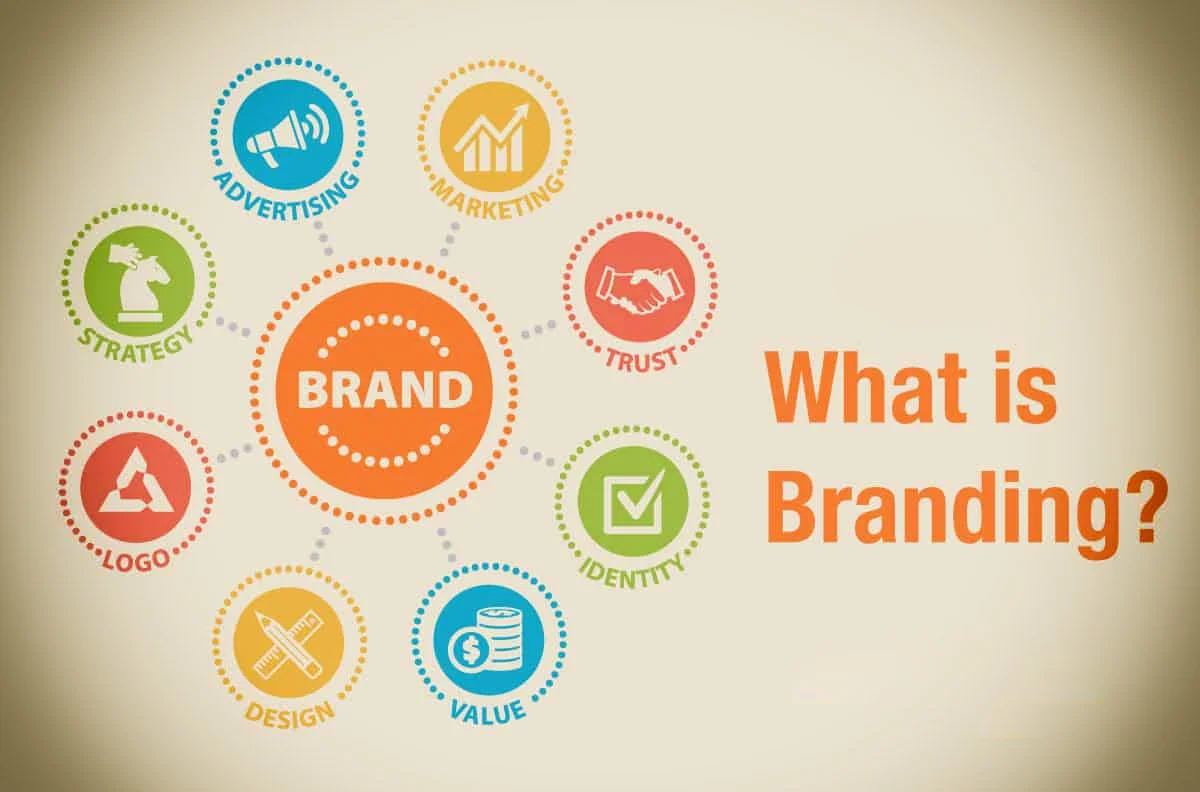
Demystifying Brand Analysis vs. Brand Strategy: A Comprehensive Guide ...

As the tech landscape continues to evolve at a rapid pace, branding strategies must also adapt to stay relevant and impactful. The future of branding for tech products will be influenced by several emerging trends that reflect the changing preferences of consumers and advancements in technology. Recognizing these trends is crucial for companies like Zabbix to maintain a competitive edge and connect more effectively with their target audience.One significant trend is the increasing emphasis on sustainability and corporate social responsibility.

Consumers are now more inclined to support brands that prioritize ethical practices and environmental stewardship. Tech companies are expected to showcase their commitment to sustainability through transparent efforts in areas such as energy consumption, waste reduction, and ethical sourcing.

Emerging Trends Affecting Tech Branding

In this dynamic environment, several key trends are shaping the future of branding in the tech industry. Understanding these trends will help Zabbix to strategically align its branding approach.

  • Personalization: Tailoring experiences and communications to individual user preferences enhances engagement and loyalty. Brands leveraging data analytics to create personalized content will stand out.
  • Authenticity: Consumers are drawn to brands that present an authentic narrative. Sharing real stories and experiences can foster trust and strengthen the brand’s image.
  • Experiential Marketing: Engaging users through memorable experiences can create emotional connections. Zabbix can consider hosting events or interactive demos to showcase its offerings in real-world applications.
  • Integration of AI and Automation: As AI technology continues to advance, brands that integrate intelligent solutions into their marketing strategies can provide more relevant content and improve customer interactions.
  • Remote Engagement: With a rise in remote work, brands need to maintain a digital presence. Effective online community building and engagement strategies are essential for fostering brand loyalty.

To effectively adapt to these trends, Zabbix can implement innovative branding practices that not only enhance its market presence but also resonate with its audience. By focusing on sustainability, authenticity, and personalization, Zabbix can position itself as a leader in the tech sector, appealing to both existing and new customers alike. Embracing these future trends will not only fortify its branding strategy but also ensure long-term relevance in a competitive market.

Last Word

In conclusion, effective branding for Zabbix is not just about recognition but also about building trust and loyalty among users. By implementing strategic branding practices and engaging with the community, Zabbix can solidify its position as a leader in IT monitoring solutions. As the tech landscape evolves, staying attuned to branding trends will ensure Zabbix continues to attract and retain a dedicated user base, making it a vital player in the industry.

Answers to Common Questions

What is the main purpose of branding Zabbix?

The main purpose is to create a strong, recognizable identity that resonates with users and distinguishes Zabbix in the competitive IT monitoring market.

How can Zabbix improve its brand visibility?

Zabbix can improve brand visibility through consistent messaging, effective social media engagement, and participation in tech events.

What role does community engagement play in branding Zabbix?

Community engagement fosters brand loyalty and provides valuable feedback that can drive improvements in both the brand and the product itself.

What are some key visual elements in Zabbix branding?

Key visual elements include the logo, color scheme, and typography, all of which should convey a cohesive and professional brand message.

How does branding impact customer perception of Zabbix?

Effective branding influences customer perception by establishing trust, reliability, and a clear understanding of the value Zabbix provides.

A brand style guide, particularly when presented as a PSD file, is crucial for maintaining a consistent brand image across all platforms. This guide dives deep into the practicalities of creating and utilizing a brand style guide PSD, from initial design concepts to effective communication.

This resource will walk you through the essential elements of a comprehensive brand style guide PSD, including its structure, the role of PSD files, and best practices for its creation. We’ll also discuss how a strong brand strategy informs the design decisions within the PSD, ultimately leading to a more cohesive and impactful brand presence.

Introduction to Brand Style Guides

Brand style guides are essential documents that define the visual and written identity of a brand. They serve as a reference point for all brand communications, ensuring consistency and recognition across various platforms and mediums. A well-defined style guide streamlines the design process, reduces errors, and strengthens brand perception. Its importance lies in maintaining a cohesive and memorable brand image, fostering trust, and ultimately, boosting brand recognition.A comprehensive brand style guide acts as a living document that evolves with the brand’s needs.

It ensures that everyone involved in creating content and materials for the brand maintains a consistent visual identity and tone of voice, fostering a cohesive brand experience for customers and stakeholders.

Types of Brand Style Guides

Brand style guides can take various forms, catering to different needs and complexities. Visual style guides primarily focus on the visual elements of the brand, including logos, typography, color palettes, and imagery. Written style guides concentrate on the language, tone, and voice used in brand communications, like marketing materials, website content, and social media posts. Interactive style guides combine visual and written elements, often incorporating examples, templates, and interactive tools for practical application.

These different types allow for a tailored approach to establishing a consistent brand identity across various platforms.

Key Components of a Comprehensive Brand Style Guide

A comprehensive brand style guide should cover all essential aspects of the brand’s identity, ensuring consistency across all touchpoints. It should include guidelines for logos, typography, colors, imagery, and tone of voice, among others. Consistency in these elements builds a strong brand recognition and ensures a seamless experience for customers.

Typical Sections in a Brand Style Guide

A well-structured brand style guide typically includes the following sections:

Section Description
Brand Overview Provides a concise introduction to the brand, its mission, values, and target audience. This section lays the groundwork for understanding the brand’s identity and purpose.
Brand Messaging Defines the brand’s tone of voice, including the desired personality, style, and language. This ensures a consistent message across all communications.
Visual Identity Artikels the brand’s visual elements, including logos, typography, color palettes, and imagery. These elements ensure a unified and recognizable visual identity across all platforms.
Logo Usage Details the correct usage of the brand’s logo, including variations, placement, and prohibited uses. This ensures the logo is used consistently and correctly.
Typography Specifies the fonts and font styles to be used in brand communications. This maintains consistency and readability in all brand materials.
Color Palette Provides the specific colors and their associated codes used in brand materials. Consistent use of colors reinforces the brand identity.
Imagery Guidelines Describes the types of imagery to be used, including photography, illustrations, and graphics. This maintains a consistent visual aesthetic.
Tone of Voice Guidelines Defines the specific tone and style of language used in brand communications. This ensures a consistent and appropriate voice across all interactions.
Brand Voice Specifies the brand’s overall voice and personality, which should be reflected in all communications.
Templates & Examples Provides practical examples of how the brand guidelines should be applied in various contexts, such as marketing materials, social media posts, or website design.

Understanding PSD Files in Brand Style Guides

PSD files are crucial for creating comprehensive and visually consistent brand style guides. They allow for precise control over imagery and typography, ensuring all brand assets maintain a unified look and feel across various applications. A well-structured PSD file can be a valuable resource for designers and marketers.PSD files, or Photoshop Document files, are indispensable tools for crafting brand style guides.

They provide a dynamic environment to meticulously design and organize brand elements, making them highly valuable for consistent visual communication. By utilizing layers and masks, designers can easily modify elements without affecting the overall composition. This iterative approach enables a refined and adaptable brand identity.

Role of PSD Files in Brand Style Guide Design

PSD files enable detailed representation of brand elements like logos, color palettes, typography, and imagery. Their layered structure facilitates easy adjustments and variations, accommodating different applications and media. This is particularly useful for brand guidelines intended for web, print, and other media. PSD files provide a precise representation of the intended visual output, reducing the risk of misinterpretation.

Advantages of Using PSD Files for Brand Style Guides

PSD files offer significant advantages in brand style guide creation. Their layered structure enables precise control over every element, allowing designers to meticulously adjust and modify components without affecting other parts of the document. This iterative process ensures a consistent brand identity across all applications. Furthermore, PSD files often include metadata and design notes, enhancing understanding and use.

Disadvantages of Using PSD Files for Brand Style Guides

PSD files, while powerful, have limitations. They can be complex to navigate and understand for non-designers, potentially creating a barrier to accessibility. The file size can be substantial, leading to difficulties in sharing and managing the file. Moreover, maintaining the consistency of the design across different devices and platforms can be challenging, requiring careful consideration of resolution and pixel density.

Importance of File Naming Conventions and Organization

Proper file naming and organization within a PSD file are paramount for efficient management and effective collaboration. Using a consistent naming convention (e.g., logo_primary_color_web.psd) ensures easy identification and retrieval of specific elements. Creating well-defined folders within the PSD file can further streamline organization. This structured approach improves the efficiency of managing and referencing assets within the brand style guide.

Comparison of File Formats for Brand Style Guides

File Format Pros Cons
PSD Precise control over elements, layered structure, editable Large file size, complex for non-designers, potential for incompatibility
PDF Portable, accessible, versatile, easily shared Limited editing capabilities, static representation, less detailed than PSD
PNG Supports transparency, suitable for web graphics Not ideal for complex designs, less control over layers

Preparing PSD Files for Web Use

Optimizing PSD files for web use involves several key steps. Ensure appropriate resolution (e.g., 72 DPI for web) and compression to minimize file size without sacrificing quality. Save as a PNG or JPG format for web-optimized images, ensuring they are web-friendly. For vector graphics, consider using SVG files. Careful attention to these details guarantees seamless integration of brand assets on websites and other web platforms.

Brand Style Guide PSD Structure and Elements

A well-structured PSD file for a brand style guide is crucial for maintaining consistency across all brand materials. It ensures easy access to brand elements, promotes efficient collaboration, and facilitates the effective use of brand assets. This structured approach streamlines the application of brand guidelines, preventing inconsistencies and misinterpretations.The PSD file should serve as a living document, easily updated and consulted.

This ensures that all stakeholders have access to the most current and accurate information regarding the brand’s visual identity and messaging.

PSD File Structure

A logical structure is essential for navigating the PSD file. A clear and concise organization of layers and folders significantly improves efficiency. The primary sections should include:

  • Brand Identity Overview: This section provides a high-level summary of the brand’s mission, values, and target audience. It acts as a foundational reference for understanding the overall brand strategy.
  • Logo Variations: Different logo formats (e.g., primary logo, secondary logo, iconography) are presented in various sizes and color options. Clear naming conventions for each variation are essential for easy identification.
  • Typography Specifications: This section contains the font families, styles, and their corresponding usage guidelines, including size and weight specifications for different applications.
  • Color Palette: A comprehensive presentation of the brand’s color palette, including RGB, CMYK, and HEX values. Examples of color usage in various contexts, such as backgrounds, text, and accents, are vital.
  • Imagery Guidelines: Examples of approved imagery styles and visual treatments, such as photography and illustrations. This section helps maintain a consistent visual language.
  • Tone of Voice: A sample section showcasing the brand’s voice and personality, providing examples of how to express the brand’s message in written content. This is a key component in maintaining brand consistency in all communications.
  • Reusable Components: A collection of pre-designed elements like buttons, banners, and headers that can be easily integrated into various projects.

Typography Specifications in PSD

The PSD file should meticulously document typography specifications. This involves presenting font families, styles, and their corresponding usage guidelines, including size and weight. Each font used should be clearly labeled, with associated font weights and sizes for different text types.

  • Font Families: Each font family should be displayed in the PSD file, with the appropriate file attached or linked.
  • Font Styles: Different styles (e.g., regular, bold, italic) within each font family should be shown, with visual examples and instructions on their application.
  • Font Sizes: Prescribe specific font sizes for headings, subheadings, body text, and other text elements, along with clear instructions on how to adjust these sizes based on context.
  • Line Height: Specify the appropriate line height for each text element. This ensures readability and visual consistency.
  • Spacing: Define the letter-spacing and word-spacing guidelines to maintain visual balance and harmony.

Color Palette and Usage Guidelines

The PSD file should clearly present the brand’s color palette. Include RGB, CMYK, and HEX values for each color. Visual examples of color usage in various contexts, such as backgrounds, text, and accents, are essential.

  • Color Swatches: Create distinct color swatches for each brand color, with corresponding RGB, CMYK, and HEX values. Include a detailed description of the usage of each color in the brand guidelines. The color swatches should be clearly labeled with the name and respective values.
  • Color Combinations: Show examples of approved color combinations, highlighting their effectiveness in different contexts.
  • Usage Guidelines: Establish clear guidelines on how to use each color in various applications (e.g., primary color for buttons, secondary color for accents). These guidelines should be readily accessible and easily understood.

Reusable Components

Creating reusable components streamlines design workflows. These components can be utilized across various projects, maintaining visual consistency. Include pre-designed elements like buttons, banners, and headers, readily integrated into various project materials.

  • Component Library: Create a dedicated folder for reusable components. These should be designed with clear guidelines on how to customize and apply them across different projects. This maintains visual consistency throughout the brand’s materials.
  • Customization Options: Include options for customizing the reusable components, allowing for flexibility without compromising visual consistency.
  • Naming Conventions: Use clear and descriptive naming conventions for each component to facilitate easy identification and use.

Tone of Voice Example

This section provides a concrete example of how to represent the brand’s tone of voice in the PSD file.

Example: “Our brand voice is friendly, approachable, and informative. We use clear and concise language, avoiding jargon. We strive to engage and educate our audience. For example, rather than ‘Utilize our advanced algorithm,’ we say ‘Experience our intuitive system.'”

This example shows how a section in the PSD file can detail the brand’s tone of voice, offering specific instances and guidelines.

Connecting PSDs to Branding Strategy

A brand style guide’s PSD files are not just collections of visual elements; they are tangible representations of a brand’s overarching strategy. A strong branding strategy provides the bedrock upon which these visual assets are built, dictating their design and function. The style guide PSDs, in turn, act as a living document, ensuring consistent application of the brand across all platforms and materials.The branding strategy informs the design decisions within the PSD file by providing a clear vision for the brand’s personality, target audience, and unique value proposition.

These elements influence everything from color palettes and typography choices to imagery and layout styles. This strategic alignment is crucial for maintaining brand consistency and recognition.

Role of Branding Strategy in Style Guide Creation

A robust branding strategy is essential for creating a cohesive and effective brand style guide. This strategy acts as a roadmap, defining the brand’s core values, mission, and target audience. It establishes the brand’s voice and visual identity, providing a framework for all design decisions. A clear understanding of the target audience, competitive landscape, and brand positioning is critical to the success of the style guide.

How Branding Strategy Informs Design Decisions

The brand’s target audience, for example, significantly impacts the style guide’s visual choices. A brand targeting millennials might lean towards a vibrant, contemporary aesthetic, while a brand targeting a more mature demographic might favor a sophisticated, timeless design. Similarly, the brand’s personality – whether playful, professional, or luxurious – directly influences the style guide’s color palette, typography, and imagery.

A brand known for its innovative approach might use bolder, more experimental designs, while a more traditional brand will employ a more conventional style.

Comparison of Different Branding Strategies and Their Impact

Different branding strategies lead to distinct design aesthetics in the style guide PSDs. A luxury brand, for instance, will likely feature sophisticated typography, high-quality imagery, and a limited color palette that evokes exclusivity. Conversely, a tech startup might prioritize clean lines, modern fonts, and a vibrant color scheme to convey innovation and energy. Understanding these nuances is crucial for creating a style guide that effectively communicates the brand’s essence.

Incorporating Brand Story Elements

The brand’s story, mission, and values should be seamlessly integrated into the style guide’s PSDs. Visual cues can effectively communicate the brand’s history, values, and unique perspective. For example, a brand with a strong commitment to sustainability might use imagery of natural elements or feature environmentally conscious color palettes. The brand’s story can be woven into the overall design language, making the brand’s message more impactful and memorable.

Integrating Brand Personality into Style Guide PSDs

Brand personality is a key component in the creation of a compelling brand style guide. A playful brand might utilize whimsical illustrations, vibrant colors, and a playful typography style. A professional brand, conversely, might lean towards sophisticated typography, high-quality imagery, and a neutral color palette. Consistent use of these design elements throughout the style guide PSDs reinforces the brand’s personality, ensuring a cohesive and memorable brand experience.

Using PSD Files for Brand Communication

PSD files, or Photoshop Document files, serve as a crucial tool for crafting effective brand communication. They offer a highly versatile platform for designing and refining visual assets, enabling meticulous control over every element of a brand’s aesthetic. This detailed approach ensures consistent branding across various channels, from marketing materials to website design.PSD files allow for iterative design processes, enabling adjustments and refinements until the desired outcome is achieved.

This iterative approach is invaluable for achieving a polished and consistent brand image across all platforms. Their layered structure facilitates adjustments, revisions, and modifications without compromising the original file’s integrity.

Effective Brand Communication with PSD Files

PSD files empower brands to create high-quality, visually engaging materials for diverse communication channels. Their flexible nature makes them adaptable for various applications, from marketing brochures and social media graphics to website design and product packaging. The ability to precisely control every visual aspect ensures consistent brand messaging across all platforms.

Utilization of PSD Files in Brand Communications

PSD files are exceptionally well-suited for a wide array of brand communications. They are highly versatile for marketing materials.

  • Marketing Materials: PSD files are essential for creating visually appealing marketing materials, such as brochures, flyers, posters, and social media graphics. They allow designers to maintain a consistent brand aesthetic and message across all marketing collaterals.
  • Website Design: PSD files are commonly used for designing website layouts and interfaces. The precise control offered by PSDs ensures a seamless transition from design to implementation, reducing potential errors and inconsistencies in the final product.
  • Product Packaging: PSD files are beneficial for creating compelling product packaging designs. The ability to preview and refine the visual aspects of packaging in PSD format provides a robust framework for design iterations and a high degree of control over the finished product’s look and feel.
  • Print Ads: PSD files are excellent for designing high-quality print ads. Their ability to maintain intricate details and fine-tune visual elements ensures a professional and visually appealing outcome, even in print.

Importance of File Optimization

Proper file optimization is critical for effective brand communication. Optimized PSD files contribute to efficient workflow and deliver high-quality outputs. Optimized files minimize file sizes without compromising visual quality. This is essential for efficient file sharing, faster downloads, and better performance across various platforms.

  • Reduced File Size: Smaller file sizes enhance efficiency by facilitating faster downloads and reducing storage needs.
  • Enhanced Performance: Optimized files contribute to a smoother user experience, particularly on websites and other online platforms.
  • Improved Workflow: Optimized files improve efficiency and productivity throughout the design process.

Impact of File Size on Brand Communication

Large file sizes can hinder effective brand communication. Larger files take longer to download, leading to potential delays and user frustration, particularly on websites and mobile devices. The size of the file directly impacts the overall user experience. A smaller file size contributes to a faster loading time and a more responsive experience.

Applications of PSD Files for Marketing Materials

The following table illustrates the versatility of PSD files in various marketing material applications.

Marketing Material PSD Application
Brochures Designing layouts, incorporating brand elements, and ensuring consistency across multiple pages.
Flyers Creating visually engaging designs, incorporating call-to-actions, and ensuring clear messaging.
Posters Developing impactful visuals, highlighting key information, and maintaining a cohesive brand identity.
Social Media Graphics Creating eye-catching images and graphics for various social media platforms, while ensuring brand consistency.
Email Marketing Templates Designing visually appealing email templates, maintaining brand consistency, and enhancing user engagement.

Best Practices and Considerations

Creating high-quality brand style guide PSD files necessitates careful consideration of various factors, ensuring consistency and longevity. A well-structured PSD file streamlines the application of brand guidelines across all communication channels, maintaining a cohesive visual identity.Thorough planning and execution are critical in the design process. Best practices, detailed below, encompass a range of considerations to mitigate potential issues and foster a sustainable system for maintaining brand integrity.

High-Quality PSD File Creation

Adhering to established design principles is paramount. Maintaining consistent typography, color palettes, and imagery across the PSD file ensures a cohesive brand identity. Utilizing layers effectively allows for modification and future updates without compromising the overall structure. Employing naming conventions for layers and elements facilitates easy navigation and modification, ensuring efficient updates and maintenance. Rigorous quality checks at each stage of design ensure consistency and accuracy.

Challenges and Solutions

Using PSD files in brand style guides presents potential challenges, particularly with file size and complexity. Employing appropriate file compression techniques can minimize file size without sacrificing quality. A structured file organization helps manage complex files, preventing confusion and facilitating easier updates.

Accessibility

Ensuring accessibility in brand style guide PSD files is crucial for inclusivity. Providing alternative text descriptions for images is vital for users with visual impairments. Using appropriate color combinations, considering contrast ratios, and maintaining sufficient font sizes are all key elements to guarantee accessibility.

Long-Term Maintainability

Implementing a robust maintenance plan ensures the longevity of the brand style guide PSD file. Establishing a clear version control system facilitates tracking changes and maintaining historical data. Regular updates and revisions are essential to reflect evolving brand needs and guidelines. Documenting changes and their rationale improves future understanding and maintenance. Using a collaborative platform facilitates feedback and updates from multiple stakeholders.

Version Control

Employing a version control system for PSD files is vital for maintaining a historical record of changes and facilitating efficient updates. Using a system like Git or a dedicated file management tool ensures a complete audit trail, enabling the recovery of previous versions if needed. A version control system also promotes collaboration among designers and stakeholders, allowing multiple users to work on the file simultaneously while maintaining a record of every modification.

This systematic approach prevents the loss of critical design elements and simplifies the management of the file’s evolution over time.

Summary

In conclusion, a well-designed brand style guide PSD is an invaluable asset for any organization. By carefully considering the structure, elements, and connection to the overall branding strategy, businesses can effectively communicate their brand message and maintain consistency across all platforms. This detailed guide provides a framework for creating a robust and adaptable brand style guide PSD, empowering you to build a powerful and recognizable brand.

FAQ Insights

What file formats are typically used alongside PSD files for a brand style guide?

Often, a brand style guide PSD will be accompanied by PDF documents for the written style guide elements, and PNG or JPG images for individual assets (logos, icons, etc.).

How can I ensure the long-term maintainability of my brand style guide PSD?

Implementing version control, clear naming conventions, and thorough documentation are key. Regular updates and revisions are also crucial.

What is the importance of accessibility in brand style guide PSD files?

Ensuring accessibility considerations, like appropriate color contrasts and clear typography, is essential for inclusivity and usability. This will improve the usability and impact of the brand guide.

What are some common challenges when using PSD files for brand style guides?

Maintaining consistency across different platforms, managing file sizes, and ensuring the PSD remains easily adaptable to various platforms can be challenges. Careful planning and a clear structure can mitigate these issues.