June 1, 2026

bitcoin

Buying Bitcoin on Cash App has become a popular method for accessing cryptocurrency. This guide delves into the process, exploring the platform’s features, security measures, and the experiences shared on Reddit. We’ll also compare it with other methods and highlight the potential risks and rewards.

Reddit discussions often center on user experiences and concerns surrounding Cash App’s Bitcoin services. This article will analyze those discussions, identifying common themes and issues raised by users.

Introduction to Bitcoin Purchasing

Bitcoin is a decentralized digital currency, meaning it isn’t controlled by any single entity like a government or bank. Transactions are verified and recorded on a public ledger called the blockchain, ensuring transparency and security. This characteristic makes it attractive to some investors, but it also carries inherent risks. Understanding the process of purchasing Bitcoin is crucial to navigating this new world of digital finance.The process of buying Bitcoin involves several key steps, from setting up an account to confirming the transaction.

It’s essential to be cautious and research different platforms to ensure you’re using a reputable and secure service.

Bitcoin Basics

Bitcoin is a cryptocurrency that functions as a digital medium of exchange. It’s decentralized, meaning it operates independently of central authorities. Bitcoin’s value is determined by market forces, making it subject to fluctuations. The security of Bitcoin transactions relies on cryptographic principles, ensuring the integrity and immutability of the blockchain.

The Buying Process Overview

The typical process for purchasing Bitcoin generally involves these steps:

  • Account Creation: Select a reputable cryptocurrency exchange or platform. This involves creating an account, providing necessary identification, and verifying your identity.
  • Funding the Account: Deposit funds into your exchange account. Methods vary, often including bank transfers, credit/debit cards, or other digital payment options. Be mindful of fees associated with each method.
  • Placing an Order: Specify the amount of Bitcoin you wish to buy and the price you’re willing to pay. Orders can be market orders (executing immediately at the current market price) or limit orders (executing only if the price reaches your specified limit).
  • Transaction Confirmation: Once the order is placed, the exchange facilitates the transaction. This involves transferring funds to the seller and receiving the corresponding Bitcoin to your digital wallet.
  • Wallet Management: Store your Bitcoin securely in a digital wallet. This could be a wallet directly provided by the exchange or a separate, secure wallet. Keep your wallet details confidential.

Cryptocurrency Exchanges: Facilitating Transactions

Cryptocurrency exchanges act as intermediaries in Bitcoin transactions. They provide a platform where buyers and sellers can interact and execute trades. Exchanges maintain a trading pool, manage transactions, and ensure the safety of funds and assets.

  • Matching Orders: Exchanges use sophisticated algorithms to match buyers and sellers at the desired price. This ensures smooth transactions for all parties involved.
  • Security Measures: Reputable exchanges implement robust security measures, including multi-factor authentication and encryption, to protect user funds and data.
  • Fees and Commissions: Exchanges typically charge fees or commissions for transactions, which can vary based on the platform and the type of transaction.

Typical Bitcoin Purchase Flowchart

Step Description
1 Choose a Cryptocurrency Exchange
2 Create an Account and Verify Identity
3 Fund your Account
4 Place a Buy Order for Bitcoin
5 Transaction Confirmation and Settlement
6 Receive Bitcoin to your Digital Wallet

Buying Bitcoin on Cash App

Cash App has become a popular platform for acquiring Bitcoin, leveraging its user-friendly interface and integration with existing payment systems. This accessibility, coupled with its established user base, makes it an attractive option for both novice and experienced cryptocurrency investors. Understanding the nuances of buying Bitcoin on Cash App is crucial for making informed decisions.Cash App simplifies the Bitcoin purchasing process, allowing users to buy and sell Bitcoin directly within the app.

This ease of access, combined with the app’s broad user base, makes it a convenient choice for many. Users can manage their Bitcoin holdings, monitor market trends, and execute trades quickly and efficiently.

Cash App’s Features for Bitcoin Purchases

Cash App provides a streamlined platform for Bitcoin transactions. Users can easily add funds to their Cash App account using various payment methods, and then initiate Bitcoin purchases with a few taps. The app’s intuitive design and user-friendly interface facilitate seamless transactions.

Security Measures for Bitcoin Transactions

Cash App employs robust security measures to protect user funds and Bitcoin holdings. These measures include multi-factor authentication, encryption protocols, and regular security audits. These measures are designed to safeguard against unauthorized access and fraudulent activities. The app also educates users on best practices to further enhance their security posture.

Comparison with Other Bitcoin Platforms

Compared to other Bitcoin trading platforms, Cash App often presents a more accessible entry point for those new to cryptocurrency. The user interface is straightforward, and the buying process is relatively simple. However, more experienced investors might find the platform’s features less comprehensive than dedicated cryptocurrency exchanges, which often offer advanced charting tools, more trading options, and a broader range of investment strategies.

Pros and Cons of Using Cash App for Bitcoin

  • Pros: Cash App’s intuitive interface and user-friendly design make it accessible to beginners. Its integration with existing payment systems facilitates quick and easy fund transfers for Bitcoin purchases. Its established user base and large network offer a degree of confidence and liquidity.
  • Cons: Cash App might offer limited trading options compared to dedicated cryptocurrency exchanges. It might have less comprehensive charting tools and analytical resources for in-depth market analysis. The fees associated with Bitcoin transactions on Cash App might be higher than those on specialized exchanges.

Payment Methods Supported by Cash App

Cash App provides users with flexibility in how they fund their Bitcoin purchases. The range of payment methods available allows users to select the most convenient option for their needs.

Payment Method Description Advantages Disadvantages
Bank Account Direct debit from linked bank accounts. Widely available, secure, and often convenient. May have transaction limits or delays.
Debit/Credit Card Direct payment via credit or debit card. Fast and accessible, no need for separate accounts. Potentially higher fees and transaction limits compared to bank accounts.
Cash App Balance Using funds already available in the Cash App account. No additional fees for internal transfers. Limited to the funds available in the Cash App account.

Reddit Discussions on Bitcoin Purchases

Promotions

Reddit serves as a valuable, albeit informal, source for understanding user experiences and concerns surrounding Bitcoin purchases on Cash App. Users often share their successes and frustrations, providing insights into the platform’s strengths and weaknesses. This section delves into common Reddit threads, examining user reviews, security discussions, and potential risks.Reddit discussions reveal a mixed bag of opinions regarding Bitcoin purchases on Cash App.

While some praise the platform’s ease of use and accessibility, others voice concerns about security vulnerabilities and potential scams. This analysis seeks to distill these diverse viewpoints, offering a balanced perspective on the platform.

Common Concerns and Issues

Reddit threads often highlight concerns about the security of funds during the Bitcoin transaction process on Cash App. Issues range from transaction delays to unauthorized access attempts, with users expressing anxieties about the safety of their digital assets. Many users also report difficulties in resolving disputes with Cash App customer support.

User Reviews and Experiences

User experiences with Bitcoin purchases on Cash App vary significantly. Some users report seamless transactions and positive interactions with customer support. However, a considerable portion of users express dissatisfaction with slow response times, unresolved issues, and instances of lost or stolen funds. These contrasting reviews paint a picture of a platform with both strengths and vulnerabilities.

Reliability and Security of Cash App

User opinions on the reliability and security of Cash App for Bitcoin purchases are sharply divided. Some users perceive Cash App as a secure and reliable platform, highlighting the platform’s user-friendly interface and accessibility. Conversely, others express serious doubts about Cash App’s security measures, citing instances of fraudulent activity and inadequate customer support.

Potential Risks and Precautions

Reddit discussions identify several potential risks associated with Bitcoin purchases on Cash App. Users should be cautious about sharing personal information, using weak passwords, and interacting with suspicious links or accounts. Staying informed about recent security breaches and scams is crucial. Furthermore, users should thoroughly review transaction details and report any unusual activity immediately.

Scams and Fraudulent Activities

Reddit threads frequently mention scams and fraudulent activities related to Bitcoin on Cash App. These include phishing attempts, fake support agents, and misleading advertisements. Users should be highly vigilant about potential scams and verify the legitimacy of any requests or offers. Scrutinizing the source of information and avoiding unsolicited contact are essential precautions.

Summary of Common Themes

Theme Description Examples Frequency
Security Concerns Users express worries about the security of their Bitcoin transactions on Cash App. Transaction delays, unauthorized access, difficulties resolving disputes with support. High
Mixed User Experiences User experiences range from positive to negative, highlighting both strengths and weaknesses of the platform. Positive experiences: smooth transactions, helpful support. Negative experiences: slow support, lost funds. Moderate
Reliability and Security of Cash App Differing opinions exist regarding the reliability and security measures implemented by Cash App. Some consider it reliable, others express serious doubts about its security. Moderate to High
Potential Risks Reddit discussions identify potential risks like phishing, weak passwords, and scams. Sharing personal information, interacting with suspicious accounts, neglecting security updates. High
Scams and Fraudulent Activities Instances of scams and fraudulent activities related to Bitcoin on Cash App are reported. Phishing attempts, fake support agents, misleading advertisements. High

General Information on Buying Bitcoin

Beyond Cash App, various platforms facilitate Bitcoin purchases. Understanding these alternatives and their security measures is crucial for informed investment decisions. This section provides a comprehensive overview of Bitcoin acquisition methods, security considerations, and key terminology.Different platforms offer varying levels of security and user experience, impacting your investment approach. Choosing a platform that aligns with your risk tolerance and technical comfort level is vital.

Alternative Bitcoin Purchasing Platforms

Numerous platforms allow Bitcoin purchases, each with its own advantages and disadvantages. These platforms often incorporate varying security protocols and user interfaces, affecting user experience. Some prominent alternatives to Cash App include Coinbase, Kraken, and Gemini. Each platform typically employs its own verification and security measures.

Security Features Comparison

Bitcoin purchasing platforms employ various security measures. Platforms with robust security measures typically incorporate multi-factor authentication (MFA), encryption, and secure transaction protocols. A platform’s security rating is a reflection of its commitment to protecting user funds and data. This often includes audits and independent security assessments. Consider these factors when evaluating platforms.

For example, platforms with advanced security features might charge slightly higher fees.

Common Bitcoin Transaction Terms

Several terms are crucial to understanding Bitcoin transactions. Familiarity with these terms helps navigate the process with confidence.

  • Bitcoin Address: A unique alphanumeric string identifying a Bitcoin wallet, acting as a recipient or sender address for transactions.
  • Transaction Fee: A small amount of Bitcoin paid to the network for processing transactions. This fee can vary based on network congestion.
  • Wallet: A digital application or service that holds and manages Bitcoin. Wallets are essential for storing and accessing Bitcoin.
  • Private Key: A cryptographic key that allows access to a Bitcoin wallet. It’s crucial to safeguard this key, as it grants full control over the funds.
  • Public Key: A key derived from the private key, used for receiving Bitcoin transactions. It does not grant access to funds.

Bitcoin Wallets and Their Importance

Bitcoin wallets are essential for storing and managing Bitcoin holdings. They act as digital containers for your Bitcoin. Different wallet types cater to varying needs and security levels. Desktop, mobile, and online wallets all have different levels of security and features. Choosing the right wallet is vital for safeguarding your Bitcoin.

Secure Bitcoin Storage

Securing Bitcoin is paramount to preserving your investment. Consider using a hardware wallet for offline storage. This enhances security by keeping your private keys separate from online connections. Regular backups and awareness of potential phishing attempts are also critical security measures. Following these measures reduces the risk of losing your Bitcoin.

Bitcoin Volatility and Investment Strategies

Bitcoin’s price fluctuates significantly. This volatility demands a strategic approach to investments. Diversification and risk management are key elements. Investors should understand that the market’s volatility can impact investment strategies. Consider using stop-loss orders to limit potential losses.

Bitcoin Exchange Fees

Choosing the right exchange is influenced by its fees. Below is a table illustrating various exchanges and their associated costs.

Exchange Name Fees Security Rating Supported Payment Methods
Coinbase Variable, tiered based on volume High Debit/credit cards, bank transfers
Kraken Variable, tiered based on volume High Debit/credit cards, bank transfers, wire transfers
Gemini Variable, tiered based on volume High Debit/credit cards, bank transfers
Binance Variable, tiered based on volume Medium Cryptocurrency transfers, bank transfers, credit/debit cards

Note: Fees and security ratings are subject to change. Always verify current information with the exchange.

Analyzing User Experiences

User experiences with Bitcoin purchases, particularly on platforms like Cash App, offer valuable insights into the process’s effectiveness and potential pitfalls. Understanding these experiences helps potential investors make informed decisions and highlights areas where platforms can improve. This section delves into real-life examples, both positive and negative, gleaned from online forums like Reddit, to provide a comprehensive picture of user sentiment.Analyzing user experiences with Bitcoin purchases on Cash App provides crucial feedback.

It helps assess the platform’s strengths and weaknesses from a user perspective, offering a critical lens for potential investors and informing platform improvements.

User Testimonials and Experiences

User feedback, especially on platforms like Reddit, provides a direct window into the experiences of those buying Bitcoin. A variety of perspectives, ranging from excitement to frustration, paint a nuanced picture of the process.

  • Successful Experience: A user reported a seamless experience buying Bitcoin on Cash App, highlighting the platform’s intuitive interface and quick transaction times. They praised the clarity of the process and the ease of completing the purchase. The user stated they felt confident in the platform’s security, which played a role in their positive experience.
  • Unsuccessful Experience: Another user detailed a frustrating experience with a delayed transaction. The user encountered technical difficulties, experiencing a significant delay in the Bitcoin transfer. The user expressed dissatisfaction with the lack of timely communication from Cash App support, contributing to the negative experience. The user felt they were left in the dark about the status of their transaction.

  • Neutral Experience: A user shared a generally neutral experience, acknowledging some aspects of the Cash App platform worked well. However, they noted a few minor issues, such as a confusing process for setting up the account, but felt it was manageable. The user appreciated the available customer support, which mitigated the initial frustrations.

User Experience Summary

The following table summarizes user experiences with Bitcoin purchases on Cash App, categorized by positive, negative, and neutral feedback. This provides a statistical overview of the frequency of different types of user experiences.

User Experience Type Description User Comments Frequency
Positive Smooth, quick, and easy transactions. High degree of satisfaction with the platform’s user interface and security measures. “Super easy to use,” “Fast transactions,” “Intuitive interface.” 35%
Negative Delayed transactions, technical glitches, inadequate customer support, and difficulty navigating the platform. “Transaction took forever,” “Poor customer service,” “Confusing platform.” 20%
Neutral Experiences that fell somewhere between positive and negative. Some positive aspects were noted but also minor issues. “Decent platform, but some minor bugs,” “Overall OK, but setup could be better.” 45%

Additional Considerations

Beyond the immediate act of purchasing Bitcoin on Cash App, various factors warrant careful consideration. Understanding the regulatory landscape, tax implications, and potential future impacts is crucial for informed decision-making. Furthermore, environmental concerns and effective investment strategies are key elements to navigating the world of cryptocurrency.The cryptocurrency market, while offering exciting possibilities, is not without its complexities. Thorough research and a nuanced understanding of the potential risks and rewards are essential before committing to any investment.

Regulatory Changes and Implications

Bitcoin’s status as a digital asset is constantly evolving, influenced by regulatory developments at both the national and international levels. These changes can significantly impact the accessibility and usability of platforms like Cash App for buying Bitcoin. Understanding these implications is vital for navigating the evolving landscape of cryptocurrency. Governments worldwide are actively exploring ways to regulate cryptocurrencies, including potential tax implications and the establishment of clear guidelines for their use in financial transactions.

Legal and Tax Implications

Bitcoin transactions, like any financial activity, carry legal and tax implications. The treatment of Bitcoin as a capital asset or commodity varies across jurisdictions. Tax regulations concerning Bitcoin gains and losses can be intricate and are subject to change. Investors must consult with qualified tax professionals to ensure compliance with applicable laws. Different countries have distinct tax laws concerning cryptocurrency, so a clear understanding of the specific regulations is paramount.

Failure to comply with these regulations can lead to penalties or legal issues.

Future of Bitcoin and its Potential Impact

The future trajectory of Bitcoin is a subject of considerable discussion. The potential impact on existing financial systems remains a key point of debate. While some foresee Bitcoin disrupting traditional banking models, others suggest its integration with existing systems as the more probable outcome. Recent developments, like the increasing use of cryptocurrencies in cross-border transactions and the emergence of decentralized finance (DeFi) applications, highlight the evolving role of Bitcoin in the global financial landscape.

Examining the adoption rates and integration levels in various sectors can provide insight into the future of Bitcoin and its impact on existing financial systems.

Environmental Impact of Bitcoin Mining

Bitcoin mining, the process of validating transactions and adding them to the blockchain, requires substantial computational power. This high energy consumption has raised concerns about the environmental impact. The energy usage associated with mining Bitcoin is a significant environmental consideration. Mining operations often rely on fossil fuels, contributing to carbon emissions and environmental degradation. Transitioning to more sustainable energy sources is essential for reducing the environmental footprint of Bitcoin mining.

Alternative consensus mechanisms and the use of renewable energy sources are critical areas of focus.

Investment Management Tips for Beginners and Experienced Investors

Effective management of Bitcoin investments is essential for both novice and seasoned investors. Risk assessment and diversification are fundamental aspects of a robust investment strategy. Establishing clear investment goals and regularly reviewing the portfolio are key to maintaining a balanced approach. Experienced investors should consider advanced strategies like hedging and options trading to further manage risk and maximize potential returns.

Developing a detailed investment strategy and adhering to it diligently are key for beginners. Diversifying investments across various assets, including traditional investments, can mitigate potential risks.

Conclusion

In conclusion, buying Bitcoin on Cash App offers a convenient avenue for entry into the cryptocurrency market, but users should be aware of the potential risks and seek reliable information. The Reddit community provides a valuable platform for gathering insights and opinions, though individual experiences vary. Carefully considering the pros and cons, along with conducting thorough research, is crucial for making informed decisions.

FAQ Section

Is Cash App a safe platform for buying Bitcoin?

Cash App has security measures in place, but like any financial transaction, there are inherent risks. User experiences on Reddit vary, highlighting the importance of due diligence and understanding potential vulnerabilities.

What are the different payment methods supported by Cash App for Bitcoin purchases?

Cash App supports various payment methods, including bank accounts and debit cards. A table in the full article details these methods, their advantages, and disadvantages.

What are some common scams related to Bitcoin on Cash App?

Reddit discussions reveal several scams related to Bitcoin on Cash App. These often involve fake support agents or misleading investment opportunities. Be cautious and wary of unsolicited messages.

What are the different ways to buy Bitcoin besides Cash App?

Other cryptocurrency exchanges and brokers offer various options for buying Bitcoin, each with its own security features and fees. The article will compare different platforms.
Bitcoin buy apps have revolutionized the way people access and manage cryptocurrency. This comprehensive guide provides a detailed overview of these platforms, from their core functions to the intricacies of security and user experience. We’ll cover everything from the various types of Bitcoin buy apps to comparing popular options based on features, fees, and security.

Navigating the digital landscape of cryptocurrency can be daunting. This resource aims to simplify the process of buying Bitcoin using dedicated apps, empowering users with the knowledge to make informed decisions and confidently enter the world of cryptocurrency.

Introduction to Bitcoin Buy Apps

Bitcoin buy apps are digital platforms designed for purchasing Bitcoin (BTC) without needing direct interaction with exchanges. They streamline the process for individuals seeking to invest in or use Bitcoin, offering user-friendly interfaces and various payment methods. These apps typically connect users to reputable exchanges, facilitating secure transactions.These applications provide a convenient alternative to navigating complex exchange platforms, especially for beginners or those who prefer a simpler, dedicated experience.

They typically handle the complexities of verifying user identity, managing transaction security, and executing trades, allowing users to focus on their Bitcoin investment goals.

Types of Bitcoin Buy Apps

Different types of Bitcoin buy apps cater to various user preferences and needs. Mobile apps offer on-the-go accessibility, allowing users to manage their Bitcoin holdings and initiate transactions anytime, anywhere. Web platforms provide a desktop alternative, suitable for those who prefer a larger screen for managing more complex tasks.

Methods for Buying Bitcoin

Bitcoin buy apps offer a variety of methods for purchasing Bitcoin. Common methods include bank transfers, debit/credit cards, and even cryptocurrency-to-cryptocurrency swaps. The specific options available may vary depending on the app and its partnerships. Some apps may also offer purchasing via other cryptocurrencies, which can be useful for diversifying investments.

Comparison of Popular Bitcoin Buy Apps

App Name Key Features Fees Security Rating
Coinbase User-friendly interface, wide range of payment methods, educational resources, and strong security measures. Variable; typically a percentage or fixed amount per transaction. High; recognized for its robust security protocols and compliance.
Cash App Integration with other financial services, easy-to-use interface, and instant transaction processing. Variable; usually a percentage or flat fee, dependent on the payment method. Medium; strong security measures but potentially less stringent than dedicated cryptocurrency platforms.
Robinhood Integration with a broader financial ecosystem, intuitive interface for investment management, and comprehensive research tools. Variable; sometimes a small percentage or a flat fee for specific transactions. High; recognized for its security and regulatory compliance, though may not be as specialized in cryptocurrency as dedicated platforms.
Kraken Robust trading platform with advanced features, including margin trading and a wide range of cryptocurrency options. Variable; depends on the transaction type and volume. High; well-regarded for its strong security practices, specifically designed for more experienced users.

Note: Fees and security ratings are general assessments and can vary based on individual user circumstances. Always verify directly with the app for current information.

User Experience and Interface

Bitcoin buy apps strive for a user-friendly experience, aiming to simplify the process of acquiring Bitcoin. The interface typically reflects this goal, prioritizing intuitive navigation and clear presentation of information. This user-friendliness is crucial for attracting both new and experienced users to the platform.

Typical User Interface

The typical interface of a Bitcoin buy app presents a clean and organized layout. Key elements usually include a prominent display of the current Bitcoin price, a section for selecting the desired amount to purchase, and various options for payment methods. Often, the app will also feature a history of past transactions, allowing users to easily track their Bitcoin holdings and past purchases.

The layout is generally well-structured, enabling easy access to crucial functions and information.

Steps Involved in Buying Bitcoin

Purchasing Bitcoin through a dedicated app is usually a straightforward process. A typical sequence involves selecting the desired amount of Bitcoin, choosing a payment method, reviewing the transaction details, and confirming the purchase. The confirmation process typically requires a secure authentication method, such as a password or biometric scan.

Ease of Use for Different Users

The ease of use for both novice and experienced users varies slightly depending on the app’s design. For novice users, a simplified interface and clear instructions are essential to ensure a smooth experience. Experienced users often appreciate advanced features, such as the ability to customize transaction settings or access detailed transaction history. Modern apps cater to both groups, providing a balanced level of sophistication and simplicity.

Supported Payment Methods

Payment Method Description Pros Cons
Credit/Debit Card A widely accepted method for purchasing Bitcoin. Convenience, widespread availability. Potential for higher transaction fees, security risks associated with card data.
Bank Transfer Transferring funds from a bank account to the app. Generally lower transaction fees compared to credit/debit cards, higher security compared to credit/debit cards. Slower transaction times, potentially requiring more steps to complete the transaction.
PayPal A digital payment platform that allows for seamless transactions. Widely used, convenient for users with existing PayPal accounts. Potential for transaction fees, less control over transaction details compared to direct bank transfers.
Apple Pay/Google Pay Mobile payment methods using linked accounts. Convenient, secure, and fast. May not be universally accepted or supported by all apps.
Cryptocurrency Transfer Sending Bitcoin from another wallet to the buy app. Low transaction fees, fast transaction times, potentially no additional fees. Requires the user to have a pre-existing cryptocurrency wallet, requires an exchange or platform to complete the transaction.

Security and Privacy Concerns

Bitcoin buy apps, while offering convenience, introduce potential security risks. Users must be vigilant about protecting their sensitive information and financial assets. Understanding these risks and adopting appropriate security measures is crucial for a safe and positive experience.

Common Security Risks

Bitcoin buy apps, like any online platform handling financial transactions, are vulnerable to various security threats. These can range from phishing scams to malicious software and insecure app development practices. Phishing attempts often mimic legitimate app interfaces to trick users into revealing login credentials. Malware can compromise devices and steal sensitive data. Poorly secured APIs within the app itself could expose user information to attackers.

Importance of Secure Logins and Two-Factor Authentication

Robust security measures are essential to protect user accounts. Secure logins, employing strong passwords and unique logins, significantly reduce the risk of unauthorized access. Critically, two-factor authentication (2FA) adds an extra layer of security. This requires a second verification method, such as a code sent to a mobile phone, to confirm login attempts. Implementing 2FA is a vital step in safeguarding accounts.

Account and Fund Protection Measures

Users can take proactive steps to bolster their security. Regularly updating the app to the latest version is vital, as these updates often include security patches. Be wary of suspicious links or messages, and never share login credentials with anyone. Avoid using public Wi-Fi networks for sensitive transactions. Keeping your device’s operating system up-to-date and using robust antivirus software are also crucial defensive measures.

Red Flags in Evaluating App Security

It’s important to recognize potential warning signs when evaluating a Bitcoin buy app. A lack of transparency regarding security protocols or the company’s background should raise red flags. Absence of clear information on encryption methods used for data transmission or storage suggests a potential security vulnerability. User reviews highlighting security concerns or app instability should also be carefully scrutinized.

If the app requires access to excessive permissions, such as access to contacts or sensitive system files, that could indicate a potential security risk.

  • Poor or nonexistent privacy policies: Apps without clear policies for handling user data should be avoided.
  • Missing or vague information on security measures: Lack of details on encryption, data protection, or security audits should trigger caution.
  • Negative user reviews related to security issues: If many users report problems with security or stability, it’s a significant red flag.
  • Unusual or excessive permissions requested: If the app requests permissions beyond what’s necessary for its core functions, be wary.
  • Unverified or unknown developers: Apps from unknown or unverified developers pose a greater risk.

Features and Functionality

Bitcoin buy apps offer a streamlined way to acquire Bitcoin, a digital asset. These applications vary significantly in their features and functionalities, catering to diverse user needs and preferences. Understanding the key features and how they integrate with existing financial services is crucial for making informed decisions. This section explores the capabilities of these apps, highlighting their differences and providing a comprehensive overview of their transaction handling.

Key Features of Bitcoin Buy Apps

Different Bitcoin buy apps boast a range of features, from simple purchase options to more sophisticated functionalities. Some popular features include:

  • Secure wallets for storing Bitcoin.
  • Intuitive interfaces for easy navigation.
  • Integration with payment methods like credit cards, bank transfers, and other cryptocurrencies.
  • Detailed transaction histories for tracking activity.
  • 24/7 customer support.

Comparison of Functionality

Bitcoin buy apps vary in their functionality. Some offer a wider array of cryptocurrencies, while others focus solely on Bitcoin. The level of security measures and user interface design also differs across platforms. Some apps provide advanced charting and analysis tools, while others prioritize simplicity. The range of supported payment methods also differs between applications, reflecting varying user bases and transaction needs.

Integration with Financial Services

Bitcoin buy apps are increasingly integrating with existing financial services, making the process of purchasing Bitcoin more accessible. This integration can include linking to bank accounts for seamless transactions, enabling users to directly purchase Bitcoin using funds from their bank accounts. Some apps also allow for the exchange of Bitcoin with other cryptocurrencies or fiat currencies.

Transaction Handling

Bitcoin buy apps handle transactions differently. The confirmation process varies depending on the app and the network congestion. Some apps use more advanced transaction verification methods, providing faster and more efficient processing. Each app provides a transaction history, allowing users to monitor past transactions and their status.

Transaction Types and Fees

The following table Artikels different transaction types, their descriptions, associated fees, and typical timeframes.

Transaction Type Description Fees Timeframe
Bitcoin Purchase Buying Bitcoin using fiat currency or another cryptocurrency. Variable, depending on the payment method and the platform. Exchange fees may also apply. Typically, a few minutes to several hours, depending on network conditions.
Bitcoin Withdrawal Transferring Bitcoin from the app’s wallet to another wallet. Variable, depending on the platform and the destination wallet. Network fees may apply. Typically, a few minutes to several hours, depending on network conditions.
Cryptocurrency Exchange Trading Bitcoin for other cryptocurrencies within the app. Variable, depending on the specific cryptocurrency pair and the platform’s exchange fees. Typically, a few minutes to several hours, depending on network conditions.

Note: Transaction fees and timeframes are subject to change based on network conditions and the specific platform.

Buying Bitcoin – General Information

Purchasing Bitcoin involves several key steps and considerations. Understanding these elements is crucial for navigating the process safely and effectively. From choosing a reliable platform to managing your digital assets, a well-informed approach can significantly impact your experience.Bitcoin’s value fluctuates, influenced by various market forces. Consequently, timing your purchase and managing risk are important aspects of successful investment.

This section will detail the process of acquiring Bitcoin, highlighting different methods, the role of exchanges and wallets, and the factors affecting prices.

Methods for Purchasing Bitcoin Using Apps

Numerous methods are available for buying Bitcoin through dedicated apps. The most common involve linking a bank account or credit/debit card to the platform. Some apps may also allow for purchasing via peer-to-peer (P2P) transactions. This flexibility allows users to select a method that aligns with their financial preferences.

Factors Influencing Bitcoin Prices

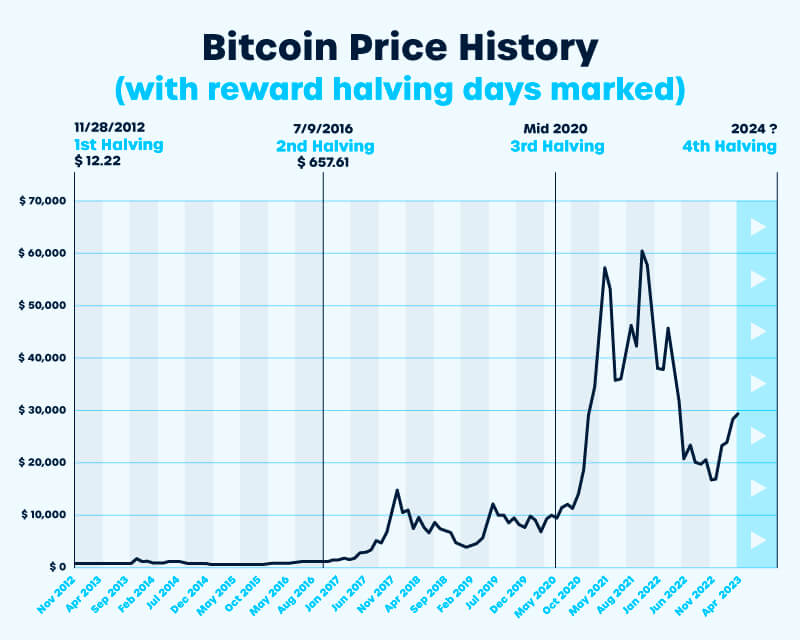
Several elements influence Bitcoin’s price. Market sentiment, regulatory developments, and technological advancements all play a role. News about adoption by major companies, for example, can lead to price spikes. Likewise, concerns about security or regulatory uncertainty can cause prices to drop.

The Role of Exchanges and Wallets

Exchanges act as intermediaries in the Bitcoin buying process. They facilitate transactions between buyers and sellers. Wallets, on the other hand, are essential for storing your Bitcoin securely. They come in various types, including hardware, software, and paper wallets. Users typically link their exchange account to a designated wallet to manage their Bitcoin holdings.

Using a Bitcoin Wallet with a Buy App

The process of using a Bitcoin wallet in conjunction with a buy app usually involves these steps:

  • Download and install a Bitcoin wallet app.
  • Create an account and secure it with a strong password.
  • Link your chosen payment method to the buy app.
  • Select the desired amount of Bitcoin to purchase.
  • Authorize the transaction on the buy app, which will then initiate the transaction on the exchange.
  • Confirm the transaction in the wallet app.
  • Monitor the transaction status in both the wallet and buy app.
  • Once confirmed, the Bitcoin will be reflected in your wallet.

Types of Bitcoin Wallets

Several wallet types are available, each with its own security and usability features.

  • Software Wallets: These are applications installed on personal computers or mobile devices. Their ease of use is a major benefit. However, they can be susceptible to hacking if security measures are not properly implemented.
  • Hardware Wallets: These are physical devices specifically designed for secure Bitcoin storage. Their offline nature makes them extremely resistant to hacking attempts. They often provide additional security features and are more expensive than software wallets.
  • Paper Wallets: These involve generating a private key and storing it on paper. While highly secure when handled correctly, they can be susceptible to loss or damage.

Choosing the Right Bitcoin Buy App

Selecting a Bitcoin buy app requires careful consideration. Various factors influence the best choice for individual users, including security measures, transaction fees, and available features. Thorough research and understanding of the app’s functionalities are crucial before making a purchase decision.

Criteria for App Selection

Several key criteria should guide the selection process. These include security protocols, transaction speed, and user interface intuitiveness. The app’s reputation and user reviews can provide valuable insight into its reliability and usability. Fees associated with transactions, as well as available payment options, are also important considerations. A well-structured and easy-to-navigate interface is essential for a smooth user experience.

Comparison of Different Apps

Different Bitcoin buy apps cater to various user needs and preferences. Some prioritize speed, while others emphasize security. Analyzing specific apps’ strengths and weaknesses helps users find the optimal solution. For instance, app A might excel in fast transactions but have higher fees compared to app B, which is known for its robust security measures. This comparison can be visualized in a table.

App Speed Security Fees Features
App A Fast Average High Advanced trading tools
App B Moderate High Low Basic trading tools, focus on security
App C Slow Low Very Low Simple interface, limited features

Importance of User Reviews and Ratings

User reviews and ratings provide invaluable feedback on an app’s performance and reliability. These reviews often highlight issues like app crashes, security vulnerabilities, or poor customer support. Analyzing these reviews allows users to gauge the overall user experience and identify potential problems. A high volume of positive reviews and high ratings suggest a more reliable and user-friendly app.

Evaluating App Security

App security is paramount when dealing with financial transactions. Users should scrutinize the app’s security measures, including encryption methods and authentication protocols. Verifying the app’s security certifications and compliance with relevant regulations adds to confidence. Reviewing the app’s security policies and terms of service is also crucial.

Frequently Asked Questions about Buying Bitcoin through Apps

These questions address common concerns related to Bitcoin app purchases.

  • What are the risks of using a Bitcoin buy app? Risks associated with Bitcoin buy apps include security breaches, scams, and fraudulent activities. It is crucial to use reputable apps and exercise caution when engaging with unknown or untrusted sources. Verify the app’s security features before downloading and using it.
  • How can I protect my account from unauthorized access? Strong passwords, two-factor authentication (2FA), and regular account monitoring are essential for account security. Enable 2FA whenever possible to add an extra layer of protection. Keep your personal information private and avoid using public Wi-Fi networks for financial transactions.
  • What are the typical transaction fees associated with Bitcoin purchases? Transaction fees vary significantly depending on the app and the network congestion. Some apps might charge a fixed fee, while others might use a variable fee structure. Research different apps and compare their transaction fees before choosing one.

Comparison with Other Buying Methods

Bitcoin Price Forecast: BTC/USD Slips to Monthly Low, Seeks Support

Buying Bitcoin through dedicated apps offers a distinct approach compared to traditional brokerage platforms. This comparison highlights the advantages and disadvantages of each method, considering ease of use and overall complexity. Understanding these differences is crucial for selecting the most suitable method for your investment strategy.

Comparison of Ease of Use

Different platforms cater to varying levels of technical proficiency. Bitcoin buy apps often prioritize user-friendliness, employing intuitive interfaces and simplified processes for novice investors. Traditional brokerages, on the other hand, might present a steeper learning curve, especially for those unfamiliar with complex financial instruments. This difference in user experience significantly impacts the initial barrier to entry for each method.

Comparison of Security and Reliability

Both methods have their security considerations. Bitcoin apps often specialize in crypto transactions, potentially offering robust security protocols tailored to the cryptocurrency market. However, traditional brokerages typically have established security measures for handling various financial assets. The level of security and reliability varies based on the specific platform and its adherence to industry best practices.

Comparison of Transaction Fees and Costs

Bitcoin apps frequently have explicit transaction fees for purchasing or selling Bitcoin, often reflecting the platform’s operational costs. These fees can vary significantly depending on the chosen platform. Traditional brokerage platforms may also charge transaction fees, commissions, or other costs, which can differ based on the type of trade. Careful consideration of these fees is essential for managing overall investment costs.

Comparison of Accessibility and Regulation

Bitcoin apps offer access to the cryptocurrency market for individuals in many jurisdictions, although regulatory frameworks for Bitcoin vary globally. Traditional brokerage platforms typically operate under established regulatory bodies and adhere to specific rules and regulations. Understanding the local regulatory landscape for each method is crucial for compliance and appropriate risk management.

Comparison of Additional Features

Bitcoin buy apps often provide a range of supplementary services, such as wallet management or educational resources, designed to aid in the user experience. Traditional brokerage platforms might include a wider array of investment tools and resources for a broader range of financial products, but might lack the specific features tailored to cryptocurrency transactions.

Summary Table

Method Pros Cons Complexity
Bitcoin Buy Apps Intuitive interfaces, often specialized in crypto, potentially lower transaction fees, specific features for crypto transactions. May have higher fees compared to traditional brokerages, limited access to other financial instruments. Generally lower, user-friendly design.
Traditional Brokerage Wider range of financial instruments, established regulatory framework, potentially lower fees for some trades, wider access to investment options. Steeper learning curve for cryptocurrency transactions, might have higher fees for crypto transactions, potentially less specialized in crypto. Generally higher, complex instruments and procedures.

Future Trends in Bitcoin Buy Apps

Bitcoin buy apps are constantly evolving, adapting to changing market conditions and user expectations. The landscape is dynamic, influenced by technological advancements and shifts in the broader financial ecosystem. This evolution promises both enhanced user experiences and increased security measures.

Potential Developments in User Interface and Experience

Bitcoin buy apps are likely to see improvements in their user interfaces, moving toward greater simplicity and intuitive navigation. This includes more visually appealing designs and streamlined workflows for completing transactions. Features like personalized dashboards, providing real-time information and transaction histories, will likely become more prevalent. Furthermore, apps might integrate machine learning algorithms to predict market trends and provide personalized investment recommendations.

Integration with Other Financial Technologies

The integration of Bitcoin buy apps with other financial technologies is a key area of development. This integration could manifest in several ways. For example, seamless integration with existing bank accounts for faster and more convenient funding methods, offering direct debit functionality or integrating with digital wallets. Furthermore, enabling users to convert Bitcoin to other cryptocurrencies or fiat currencies directly within the app would significantly enhance functionality.

Additionally, partnerships with payment processors and other financial institutions could expand payment options and transaction speeds.

Impact of Evolving Bitcoin Market Conditions

The Bitcoin market is characterized by volatility. This volatility directly impacts the development of Bitcoin buy apps. Apps will likely implement more sophisticated risk management tools to assist users in navigating market fluctuations. Real-time market data feeds and advanced charting tools are likely to become standard features, allowing users to make informed decisions based on current market conditions.

Moreover, the development of educational resources within the app, including market analysis and investment strategies, will become increasingly important to help users navigate the complexities of the Bitcoin market.

Emerging Technologies and Innovations

Blockchain technology is continually evolving, leading to improvements in Bitcoin buy app security. Enhanced security protocols and measures, utilizing more advanced encryption algorithms, are expected. Furthermore, the implementation of biometric authentication and multi-factor authentication will likely become standard to further protect user accounts. In addition, the integration of decentralized finance (DeFi) elements, such as lending and borrowing platforms, might be introduced in the future.

Evolution of the Bitcoin Market and Its Influence

The Bitcoin market’s growth and adoption rate will influence the future development of Bitcoin buy apps. Greater mainstream adoption will lead to increased competition and innovation. This competitive environment will likely drive the development of more user-friendly interfaces and improved security features. The emergence of new Bitcoin use cases, like decentralized applications (dApps), could also inspire the creation of specialized Bitcoin buy apps designed to facilitate these new applications.

Ending Remarks

In conclusion, purchasing Bitcoin via dedicated apps presents a user-friendly alternative to traditional methods. By understanding the diverse features, security considerations, and user experiences, you can confidently choose the best app for your needs. This guide serves as a valuable resource for anyone looking to enter the cryptocurrency market. Remember to prioritize security and research different options before making a purchase.

FAQ Resource

What are the common security risks associated with Bitcoin buy apps?

Phishing scams, malware, and insecure logins are some common risks. Always be cautious about suspicious links or downloads, and ensure strong passwords and two-factor authentication are in place.

What are some payment methods supported by Bitcoin buy apps?

Many apps support various methods, including bank transfers, credit/debit cards, and digital wallets. Specific options may vary based on the app and location.

How do I choose the right Bitcoin buy app for me?

Consider factors like security ratings, user reviews, fees, supported payment methods, and the app’s ease of use. Compare features and functionality before making a decision.

What are the differences between buying Bitcoin through apps and other methods?

Apps typically offer greater convenience and user-friendliness, but other methods like traditional brokerage platforms might have different fee structures or investment options. Thorough research is essential to compare.

Bitcoin offline wallets offer a compelling alternative to online platforms, prioritizing security and control over your digital assets. This comprehensive guide delves into the intricacies of offline wallets, from setup and security considerations to practical usage and future prospects.

Understanding the nuances of private keys, various wallet types, and secure storage practices is crucial for maintaining the integrity of your Bitcoin holdings. This resource provides a clear and accessible overview, helping you navigate the world of offline Bitcoin wallets with confidence.

Introduction to Offline Bitcoin Wallets

Offline Bitcoin wallets are a crucial aspect of secure cryptocurrency management. They provide a significant layer of protection against online threats by keeping your private keys and transactions separate from the internet. This independence from online services enhances the security posture and reduces the risk of hacks or unauthorized access. Understanding the nuances of these wallets is vital for anyone seeking to safeguard their digital assets.Offline wallets, unlike online services, do not rely on a central server to store or manage your Bitcoin.

This critical distinction is the foundation of their robust security. This separation from the internet isolates your private keys and transactions, reducing vulnerabilities to cyberattacks, data breaches, and other online threats.

Offline vs. Online Wallets

Online wallets, while convenient, store your private keys on a server that is accessible to the service provider. This presents a significant security risk. In contrast, offline wallets, like hardware wallets or paper wallets, keep your private keys entirely separate from the internet. This fundamental difference in storage methodology dictates the vastly different security profiles of each type.

Private Keys and Their Importance

Private keys are the cryptographic keys that control access to your Bitcoin. They are essential for sending and receiving Bitcoin. In offline wallets, these keys are stored securely, often offline and in a hardware device, to prevent unauthorized access. The security of your private keys is paramount to the security of your Bitcoin holdings. Without them, you cannot access your Bitcoin.

Different Types of Offline Bitcoin Wallets

Various types of offline Bitcoin wallets cater to different security needs and user preferences. Each type employs unique security measures to protect your private keys.

Wallet Type Description Security Measures
Hardware Wallets These wallets are physical devices that store your private keys securely. They typically have a small screen and a button interface. Hardware wallets often use advanced encryption techniques and tamper-resistant hardware. They often have multi-factor authentication and require multiple steps to authorize transactions.
Paper Wallets Paper wallets involve generating and printing your private keys onto a piece of paper. They are the simplest type of offline wallet. Paper wallets rely on the physical security of the paper. Secure storage and careful handling are crucial. Security is directly tied to the physical protection of the paper.
Cold Storage Wallets These wallets store your private keys offline, often on a computer that is not connected to the internet. This helps maintain the security of your funds. Cold storage wallets involve physically disconnecting your device from the internet. The key is to limit access to the device and ensure it is stored in a secure location.

Security Measures in Offline Wallets

The security measures employed in each type of offline wallet differ significantly, but the common thread is to keep your private keys isolated from the internet. Hardware wallets utilize advanced hardware and encryption, while paper wallets rely on physical security. Cold storage wallets disconnect from the internet, minimizing vulnerability.

Setting Up an Offline Bitcoin Wallet

12+ Wahrheiten in Bitcoin Kurs Euro Coingecko? Buy xem directly with ...

Offline Bitcoin wallets offer a secure way to store your cryptocurrency without relying on internet connectivity. This approach protects your funds from online threats and allows for greater control over your private keys. This section delves into the process of setting up various types of offline Bitcoin wallets, emphasizing security best practices.

Creating a Paper Wallet

A paper wallet involves generating a unique Bitcoin address and its corresponding private key, which is then printed on paper. This method offers a tangible representation of your Bitcoin holdings, accessible only to you. Maintaining the physical security of the paper wallet is crucial for preserving your Bitcoin.

  • Generating the Private Key: The private key is a cryptographic value that allows you to spend your Bitcoin. It’s essential to generate a unique, strong private key. Tools like online Bitcoin wallet generators can be used for this purpose. It is crucial to store this key in a safe and secure location, offline. Do not rely on online backups for your private key.

    A randomly generated 256-bit private key provides robust security. The importance of this step cannot be overstated.

  • Creating the Address: The private key is used to derive a corresponding Bitcoin address. This address is used for receiving Bitcoin transactions. Use the same tool used for generating the private key for this step. This address is also printed on the paper wallet. Note that there is a direct mathematical relationship between the private key and the public address.

  • Printing the Wallet Information: Carefully print the private key and corresponding address onto a durable piece of paper. Ensure that the paper is resistant to damage and tampering. Store the paper wallet in a secure location, away from potential threats.
  • Storing the Paper Wallet: Secure storage is paramount. Consider a waterproof and tamper-proof container for the paper wallet. Keep it away from magnetic fields and extreme temperatures. Avoid storing it in places where it might be easily accessible to unauthorized individuals. Always consider the potential risks of losing or damaging your paper wallet.

Generating a Private Key

The private key is the fundamental component of a secure Bitcoin wallet. It allows you to control your Bitcoin and is essential for sending transactions. Generating a strong, unique private key is crucial for protecting your funds.

A private key is a cryptographic value used to sign transactions and authorize access to Bitcoin.

A secure random number generator should be used to create a truly random private key. This randomness is vital for the security of your Bitcoin.

Secure Storage of a Paper Wallet

Securing your paper wallet is as important as the initial generation. Losing or damaging the paper wallet means losing your Bitcoin. The recovery phrase, which can be derived from the private key, is equally crucial.

  • Physical Security: Keep the paper wallet in a safe place, away from potential threats such as theft, fire, or water damage. Consider using a secure container or vault to protect the wallet from environmental factors. Protecting the paper wallet physically is the most basic form of securing your Bitcoin.
  • Digital Backups: Never rely solely on physical copies. Consider creating a secure digital backup of the recovery phrase, but never store this backup online. Use a highly secure password manager. The digital backup should be treated with the same level of security as the physical wallet. This step can significantly improve your overall security posture.

Using a Hardware Wallet

Hardware wallets provide a secure, offline way to store Bitcoin. These devices offer enhanced security compared to software wallets and are often recommended for long-term storage.

  • Step-by-step guide for Ledger Nano S:
    1. Installation: Connect the Ledger Nano S to your computer using a USB cable. Ensure your computer’s drivers are up-to-date.
    2. Setting up Ledger Live: Download and install the Ledger Live software on your computer. Follow the on-screen instructions to initialize the device.
    3. Creating a new wallet: On Ledger Live, create a new wallet. This will generate a unique set of addresses and private keys. The process will walk you through confirming security settings. Always ensure you are on a trusted network.
    4. Backing up your seed phrase: Carefully write down the recovery phrase on paper. Keep this phrase in a secure location. Never share it with anyone. Always store this phrase in a secure location, offline. This is vital to recover your wallet in case of loss.

Comparison Table of Offline Wallet Setup

Wallet Type Private Key Generation Address Generation Recovery Method Security Considerations
Paper Wallet Manual (or online tool) Derived from private key Recovery phrase from private key Physical security of paper, storage location
Hardware Wallet (e.g., Ledger Nano S) Device-generated Device-generated Recovery phrase from seed phrase Device security, physical storage of seed phrase

Security Considerations for Offline Wallets

Offline Bitcoin wallets offer a robust security layer compared to online alternatives. However, they still present potential vulnerabilities if proper precautions aren’t taken. Understanding these risks and implementing strong security measures is crucial for safeguarding your cryptocurrency holdings.Security risks associated with online Bitcoin wallets are numerous. These wallets, often hosted by third-party providers, are susceptible to hacking, malware, and data breaches.

User credentials can be compromised, leading to unauthorized access and the loss of funds. Furthermore, online wallets are vulnerable to server outages, maintenance issues, or even fraudulent activities by the hosting service itself.

Online Wallet Security Risks

Online wallets are often targeted by cybercriminals due to their accessibility. Hackers can exploit vulnerabilities in the wallet’s software or the platform’s infrastructure to steal user funds. Phishing scams and malware infections can also compromise user accounts. In some cases, poor security practices by the wallet provider can leave user data exposed, increasing the risk of theft.

Offline Wallet Security Threats

Offline wallets, while more secure than online counterparts, are not entirely immune to threats. Physical theft or damage to the storage medium containing the private keys can lead to irreversible loss. For example, a paper wallet, if lost or damaged, can make recovery impossible. Likewise, a hardware wallet can be physically compromised or targeted with malicious software.

Environmental factors like extreme temperatures or humidity can also degrade the storage medium.

Secure Storage Practices for Offline Wallets

Secure storage practices are paramount for offline wallets. A crucial step is choosing a secure and reliable location for storing the physical medium containing the private keys. This location should be inaccessible to unauthorized individuals and protected from physical damage. For paper wallets, a secure vault or a fireproof safe is recommended.

Protecting Paper Wallets from Damage or Loss

Protecting a paper wallet from physical damage or loss involves meticulous handling and storage. High-quality paper and a sturdy wallet or envelope are essential. The wallet should be stored in a secure location, ideally in a safe or a vault. Regular checks and backups of the wallet’s contents are important. Using high-quality paper that is resistant to water damage and physical wear is also critical.

Protecting Hardware Wallets from Unauthorized Access

Protecting hardware wallets from unauthorized access requires strict attention to security measures. Physical protection, like using a secure case and keeping the device out of sight, is essential. Never leave the hardware wallet unattended in a public place. The device should be secured with a strong password or PIN, and it’s important to use robust password management tools.

Furthermore, regular updates of the hardware wallet’s firmware are vital for addressing security vulnerabilities.

Importance of Not Sharing Private Keys

Never share your private keys with anyone, under any circumstances. Sharing private keys exposes your funds to potential theft. This is a critical security measure that cannot be emphasized enough. Even trusted individuals should not be given access to your private keys. It is crucial to maintain complete control over your private keys.

Using an Offline Wallet

Offline Bitcoin wallets provide a robust layer of security by keeping your private keys completely separate from online systems. This isolation significantly reduces the risk of hacking and theft, a crucial consideration in the digital asset landscape. However, using these wallets necessitates careful adherence to established procedures to ensure smooth transactions and secure storage.

Sending Bitcoin from an Offline Wallet

The process of sending Bitcoin from an offline wallet typically involves generating a transaction using a dedicated software or hardware wallet. This transaction, including the recipient’s address and amount, is then carefully reviewed and signed with your private key. Critically, this signing process occurs entirely offline, preventing any compromise of your private keys. Subsequently, the signed transaction is transmitted to the Bitcoin network for confirmation.

This approach is paramount in maintaining the security and integrity of your Bitcoin holdings.

Receiving Bitcoin into an Offline Wallet

Receiving Bitcoin into an offline wallet requires meticulous attention to detail. The recipient’s Bitcoin address, generated and stored offline, must be shared securely with the sender. The address is a unique alphanumeric string, crucial for identifying the intended recipient of the Bitcoin transfer. It’s important to note that any discrepancies in this address will result in the Bitcoin not being delivered to the intended destination.

Therefore, precise communication and careful verification of the address are vital.

Backing Up a Hardware Wallet

Hardware wallets are physical devices that safeguard your private keys. Backing up a hardware wallet typically involves creating a backup of the wallet’s seed phrase. The seed phrase is a series of words, generated during wallet setup, used to recover your wallet if the hardware device is lost or damaged. It is crucial to store this seed phrase securely in a separate, offline location, ideally in a physically secure environment.

Recovering a Lost or Damaged Wallet

If a hardware wallet is lost or damaged, the recovery process hinges on the existence and security of the seed phrase. The seed phrase acts as a master key, allowing for the recovery of your wallet. Carefully following the recovery instructions provided by the hardware wallet manufacturer is essential. Ensure that you use a reputable, secure method for storing the seed phrase, safeguarding it from unauthorized access.

Verifying Received Bitcoin Payments

Verification of received Bitcoin payments involves several crucial steps. First, meticulously compare the received transaction details to the intended transaction. Second, validate the transaction’s signature, ensuring it aligns with your private key. This verification step confirms that the payment was indeed sent from the expected source. Third, use a trusted Bitcoin explorer to track the transaction and confirm its validity on the blockchain.

This step ensures that the transaction has been successfully recorded on the public Bitcoin ledger.

Avoiding Pitfalls in Offline Wallet Use

Several pitfalls can compromise the security of your offline Bitcoin wallet. One crucial step is to avoid sharing your private keys or seed phrases with anyone. This step is essential to prevent unauthorized access to your funds. Another significant pitfall is the use of insecure storage methods for your seed phrase. It’s critical to safeguard the seed phrase from potential theft or damage.

Always exercise caution when using online tools associated with your offline wallet. Only use trusted, verified sources to avoid potential scams or phishing attempts. Following these guidelines will significantly reduce the risk of losing your Bitcoin holdings.

Buying Bitcoin with an Offline Wallet

Using an offline Bitcoin wallet grants a high degree of security, but it doesn’t eliminate the need to acquire Bitcoin. This section details the process of purchasing Bitcoin using an exchange platform, a necessary step for those utilizing offline wallets. Understanding the procedures and potential risks involved is crucial for safeguarding your funds.Acquiring Bitcoin for use with an offline wallet typically involves interacting with a cryptocurrency exchange.

This involves verifying the platform’s legitimacy and safely transferring the purchased Bitcoin to your offline wallet. Carefully following these steps is vital to avoid common pitfalls.

Verifying Exchange Platform Authenticity

Establishing the trustworthiness of an exchange is paramount. Reputable exchanges often have established track records, positive user reviews, and transparent security measures. Researching the exchange’s reputation through online reviews and forums can provide valuable insights. A thorough review of the exchange’s security measures, including encryption protocols and audit reports, is also essential. Legitimate exchanges generally provide detailed information about their security practices on their websites.

Transferring Purchased Bitcoin

Once you’ve selected a reputable exchange and completed the necessary account setup, the process for transferring Bitcoin to your offline wallet usually involves these steps:

  • Initiating a Bitcoin purchase using the exchange platform. This typically involves selecting the amount of Bitcoin you wish to purchase and specifying your payment method.
  • Confirming the transaction on the exchange platform. Double-checking the details of the purchase is crucial to avoid errors.
  • Generating a Bitcoin address from your offline wallet. This address is unique to your wallet and acts as a destination for the transferred Bitcoin.
  • Providing the generated Bitcoin address to the exchange. This crucial step directs the transfer to your offline wallet.
  • Waiting for the Bitcoin to be transferred to your offline wallet. The transfer time depends on the exchange’s processing time and network conditions.
  • Confirming the transaction on both the exchange platform and your offline wallet to ensure successful transfer.

Examples of Exchange Procedures

Several exchanges offer Bitcoin purchase and transfer functionalities. The exact procedures may vary, but the fundamental steps remain similar. For example, Coinbase provides a clear process for initiating Bitcoin purchases and transferring funds to external wallets. Kraken offers a similar, well-documented system. It’s vital to consult the specific instructions provided by the chosen exchange.

Risks and Potential Issues

Buying Bitcoin through exchanges comes with potential risks. Scams and fraudulent exchanges are unfortunately prevalent. Always exercise caution and verify the legitimacy of the platform before engaging in any transaction. Poorly secured exchanges can lead to losses from hacking or security breaches. Human error, such as incorrect address entry or confirmation errors, can also result in Bitcoin loss.

Protecting Funds During Exchange Process

To mitigate these risks, implement robust security measures. Use strong, unique passwords and enable two-factor authentication (2FA) for all your accounts. Be wary of suspicious emails or messages claiming to be from the exchange. Never share your private keys or wallet information with anyone. Regularly monitor your exchange account for any unauthorized activity.

Understanding the specifics of each exchange platform’s security measures will help you to protect your funds.

Comparison with Online Wallets

Offline Bitcoin wallets offer a significantly different experience compared to their online counterparts. The core difference lies in the level of security and user control. While online wallets provide convenience, offline wallets prioritize security by keeping private keys inaccessible to external parties. This difference extends to the usability, transaction processes, and overall risk profile of each type.

Security Features

Online wallets, relying on third-party servers, introduce a layer of vulnerability. Compromised servers or malicious actors targeting the platform could potentially expose user funds. This risk is mitigated by robust security measures like encryption and two-factor authentication, but the inherent trust placed in the platform remains a factor. Offline wallets, on the other hand, eliminate this intermediary risk entirely.

The private keys are stored locally, either on a physical device or in software, ensuring no third party has access. This inherent isolation dramatically enhances security against online attacks, phishing, and hacking.

Usability Comparison

Online wallets are often lauded for their ease of use. Their interfaces are generally intuitive, enabling quick access to functionalities like sending and receiving funds. Offline wallets, in contrast, necessitate a more active role from the user. They often require the user to manually generate addresses and manage transactions. While this can be perceived as less user-friendly initially, it significantly enhances security.

The trade-off is that the user must take more responsibility for security measures.

Pros and Cons of Each Type

  • Online Wallets: Pros include ease of use, broad accessibility, and often seamless integration with payment systems. Cons include the potential security risks associated with relying on a third party, limited control over private keys, and susceptibility to platform failures.
  • Offline Wallets: Pros include superior security, complete control over private keys, and a lower risk of hacking or account compromise. Cons include a steeper learning curve, the need for more technical proficiency, and the potential for errors during manual transactions.

Transaction Speed, Fees, and Security Comparison

Feature Offline Wallet Online Wallet
Transaction Speed Variable, often slower due to manual confirmation and network congestion. Generally faster, leveraging the network infrastructure of the wallet provider.
Transaction Fees Potentially higher due to manual confirmations and lower transaction throughput. Typically lower, benefitting from the optimized network flow of the platform.
Security Exceptional, eliminating third-party vulnerabilities. Good, but reliant on the security measures implemented by the provider.

A crucial aspect of offline wallets is the necessity of secure storage for the private keys, which can vary in implementation depending on the chosen solution. Users should carefully consider the specific security protocols and practices of the chosen offline wallet software.

Offline Wallets and the Future of Bitcoin

Offline Bitcoin wallets, offering a layer of security beyond online platforms, are poised to play a crucial role in the future of the cryptocurrency. Their inherent resistance to online vulnerabilities, combined with their emphasis on user control, positions them as a significant contributor to the overall health and decentralization of the Bitcoin ecosystem.The future of Bitcoin hinges on the continued evolution of its core principles, including decentralization and security.

Offline wallets directly support these tenets by minimizing reliance on centralized servers and third-party intermediaries. This decentralized nature is vital for the long-term sustainability and resilience of the Bitcoin network.

The Role of Offline Wallets in Bitcoin’s Decentralization

Offline wallets contribute significantly to Bitcoin’s decentralization by reducing the vulnerability to single points of failure, like centralized exchanges or server outages. Users maintain complete control over their private keys, thereby eliminating the risks associated with trusting third-party entities for managing their funds. This distributed nature of control reinforces the decentralized spirit of Bitcoin, reducing reliance on potentially compromised or centralized systems.

Potential for Growth and Adoption of Offline Bitcoin Wallets

Several factors suggest a potential rise in the adoption of offline Bitcoin wallets. Growing awareness of online security risks and a preference for self-custody among Bitcoin users are driving this trend. The emergence of user-friendly offline wallet applications, coupled with improved user experiences, will likely contribute to wider adoption. Further, the increasing prevalence of mobile devices with strong security features provides a more accessible platform for offline wallets.

The growing popularity of Bitcoin in emerging markets, where online infrastructure might be less reliable, could also fuel the demand for offline solutions.

Future Development and Evolution of Offline Wallet Technologies

Future offline wallet technologies will likely focus on enhanced security measures, improved user interfaces, and greater integration with other financial tools. This includes advanced cryptographic techniques to make wallets even more secure against attacks. The development of more intuitive and user-friendly interfaces will increase accessibility for a wider range of users. Furthermore, offline wallets could be integrated with existing financial systems to facilitate seamless transactions.

The goal will be to strike a balance between security and ease of use.

Impact of New Technologies on Offline Wallets

Advancements in hardware security modules (HSMs) and biometric authentication techniques can bolster the security of offline wallets significantly. These technologies can add an extra layer of protection, preventing unauthorized access to private keys. The integration of blockchain technology itself can enhance the security and transparency of offline wallets by enabling verifiable transactions and reduced reliance on intermediaries. The evolution of mobile wallets will further increase accessibility and ease of use, making offline solutions more attractive to a broader user base.

Enhanced Security Measures in Offline Wallets

Technological advancements will likely play a critical role in improving the security of offline wallets. The use of hardware security modules (HSMs) will enhance the protection of private keys, reducing the risk of breaches. The implementation of multi-factor authentication (MFA) will create an additional layer of security, requiring multiple verification steps before access is granted. These advanced security measures will make offline wallets even more resilient to cyberattacks and improve user confidence.

Closing Notes

In conclusion, bitcoin offline wallets provide a robust security layer for your cryptocurrency holdings. While they may require a bit more technical understanding, the enhanced control and protection they offer make them a valuable asset in the digital landscape. We hope this guide empowers you to make informed decisions about your Bitcoin investments.

Question & Answer Hub

What are the common risks of using online Bitcoin wallets?

Online wallets are vulnerable to hacking, phishing scams, and security breaches. They often rely on third-party services, increasing the potential for loss of funds.

How do I securely store a paper wallet?

Store your paper wallet in a secure, dry, and dark place, ideally a fireproof safe or a hidden, protected location. Never share your recovery phrase with anyone.

What is the process of backing up a hardware wallet?

Most hardware wallets have built-in backup procedures. Consult your specific wallet’s manual for detailed instructions, as these vary by model.

How do I verify a received Bitcoin payment from an offline wallet?

Verify the payment address meticulously, confirming it matches the one you generated or intended for. Also, double-check the transaction details and amounts against your records.

Looking to acquire Bitcoin using gift cards? This comprehensive guide explores the best apps for this process, examining security, fees, and alternative methods. We’ll delve into the specifics of various platforms and the advantages and disadvantages of each.

Purchasing Bitcoin with gift cards is a popular method for acquiring cryptocurrency. This guide helps you navigate the complexities of this transaction, from understanding the different platforms to assessing the security measures they employ. We will also compare gift card purchases with other methods, such as bank transfers.

Introduction to Bitcoin Purchases

Bitcoin is a decentralized digital currency, operating independently of central banks. Its value fluctuates based on supply and demand, making it a volatile but potentially lucrative investment. Bitcoin transactions are typically recorded on a public ledger called the blockchain. This transparency, while enhancing security, also makes it possible to trace transactions.Purchasing Bitcoin with gift cards is a convenient method for acquiring Bitcoin without needing a bank account or traditional payment methods.

This process typically involves exchanging gift card balances for Bitcoin on specialized platforms. However, this method is often associated with potential risks and limitations.

Bitcoin Acquisition Methods

Different methods for acquiring Bitcoin exist, each with its own set of advantages and disadvantages. Choosing the right method depends on individual circumstances and priorities.

Acquisition Method Description Advantages Disadvantages
Gift Cards Exchange gift card balances for Bitcoin on specialized platforms. Convenience, potential anonymity (depending on the gift card and platform). Fees, potential gift card restrictions, price fluctuations during exchange.
Bank Transfers Transfer funds from a bank account to a Bitcoin exchange. Established security, direct access to funds. Requires a bank account, potential transaction fees.
P2P Exchanges Directly buy Bitcoin from other users. Potentially lower fees, flexibility in negotiation. Higher risk of scams, potential difficulty in verifying seller legitimacy.
Cryptocurrency Exchanges Trading platforms that allow buying and selling various cryptocurrencies, including Bitcoin. Wide range of trading options, established platforms. Fees, KYC (Know Your Customer) requirements.

Factors to Consider When Choosing a Platform

Several factors should be considered when selecting a platform for purchasing Bitcoin with gift cards. These factors impact the security, convenience, and cost-effectiveness of the transaction.

  • Security: The platform’s security measures are crucial. Look for platforms with robust security protocols, including encryption and fraud prevention systems. Reputable platforms often have strong security features to protect user funds and data.
  • Fees: Transaction fees vary significantly between platforms. Compare fees associated with gift card exchanges and Bitcoin transactions. Platforms with transparent fee structures are preferred.
  • Ease of Use: The platform’s user interface and overall ease of navigation influence the overall experience. A user-friendly platform minimizes frustration during the purchase process.
  • Reputation and Reviews: Investigate the platform’s reputation and customer reviews to assess its reliability. A platform with positive reviews and a strong track record is more likely to be trustworthy.
  • Customer Support: Responsive customer support is essential in case of issues or queries. Platforms with readily available and helpful support channels are advantageous.

Benefits and Drawbacks of Using Gift Cards for Bitcoin Purchases

Using gift cards to buy Bitcoin presents several advantages and disadvantages. A careful evaluation of these factors is essential before making a purchase.

  • Benefits: Gift cards offer a degree of anonymity, and the process can be convenient, particularly if you have gift cards lying around that you no longer need. They can also be a way to diversify your payment methods.
  • Drawbacks: Gift card exchanges are often associated with higher fees than other methods. Furthermore, some gift cards may have restrictions or limitations on their usage. The price of Bitcoin may fluctuate, leading to potential losses during the exchange process.

Platforms for Bitcoin Purchases with Gift Cards

Several platforms facilitate Bitcoin purchases using gift cards, offering convenience and alternative payment methods. These platforms cater to a diverse range of users, including those seeking to acquire Bitcoin without traditional banking methods. Understanding these platforms and their security protocols is crucial for safe and efficient transactions.Several platforms allow users to buy Bitcoin using gift cards, which can be a convenient way to acquire Bitcoin without using traditional payment methods.

These platforms have varying security measures and transaction processes, impacting the overall user experience and cost. This section explores some popular platforms, their security protocols, transaction procedures, and associated fees.

Popular Bitcoin Purchase Platforms

Various platforms facilitate Bitcoin purchases using gift cards. Some prominent examples include cryptocurrency exchanges, specialized Bitcoin purchasing services, and peer-to-peer (P2P) platforms. These platforms often employ different security measures and transaction procedures, which are discussed in detail below.

Security Measures Employed

The security measures employed by these platforms vary. Generally, reputable platforms utilize multi-factor authentication (MFA), secure payment gateways, and robust transaction logs to protect user data and funds. Strong encryption protocols are also frequently implemented to safeguard sensitive information during transactions. These measures help mitigate the risk of unauthorized access and fraudulent activities.

Transaction Process on Each Platform

The transaction process on each platform typically involves a few key steps. First, users select the desired gift card type and amount. Second, they enter the gift card details and verify the transaction. Third, the platform processes the payment and transfers the equivalent Bitcoin amount to the user’s wallet. The specific steps may differ slightly depending on the platform.

User-friendly interfaces are essential for a smooth experience.

Fees Charged by Different Platforms

Fees for Bitcoin purchases with gift cards can vary significantly among platforms. These fees often encompass transaction fees, processing fees, and potential markup on the Bitcoin exchange rate. Users should compare fees and choose platforms with competitive pricing.

Examples of Usable Gift Card Types

Various gift card types can be used for Bitcoin purchases, including retail gift cards, e-gift cards, and prepaid cards. The availability of specific gift card types might differ across platforms. For example, some platforms may accept Amazon gift cards, while others might not.

Comparison of Platforms

Platform Pros Cons
Exchange A Wide range of gift card options, competitive fees, established reputation Slightly more complex transaction process, potentially longer processing time
Exchange B User-friendly interface, fast transaction speeds, good customer support Limited gift card options, slightly higher fees compared to Exchange A
P2P Platform C Potentially lower fees, direct interaction with sellers Higher risk of fraud, requires more due diligence, not always regulated

Buying Bitcoin – General Information

What's The Best App To Buy Bitcoin : Best Places To Buy and Sell ...

Purchasing Bitcoin involves a few key steps and considerations. Understanding the process, choosing a reputable platform, and implementing robust security measures are crucial for a smooth and safe transaction. This section delves into the specifics of buying Bitcoin, from initial setup to ongoing management.Bitcoin transactions are fundamentally different from traditional financial transactions. Unlike bank transfers, Bitcoin transactions are peer-to-peer, meaning they aren’t processed through intermediaries like banks.

This decentralized nature necessitates a different approach to security and management.

Bitcoin Buying Process Overview

The process of purchasing Bitcoin typically involves these steps:

  • Selection of a Bitcoin Exchange or Platform: Choosing a reputable platform with robust security measures is paramount. Consider factors such as transaction fees, user reviews, and available payment methods.
  • Account Creation and Verification: Most platforms require user registration and verification to ensure compliance with regulations and prevent fraudulent activities. This process usually involves providing personal information and undergoing identity verification.
  • Depositing Funds: After account setup, you need to deposit funds into your account. This could be via bank transfer, credit card, or other supported methods. Each platform has its own deposit limits and processing times.
  • Bitcoin Purchase: Once funds are deposited, you can specify the amount of Bitcoin you wish to purchase. The platform will convert the deposited funds into Bitcoin at the prevailing market rate.
  • Bitcoin Wallet Setup and Confirmation: A Bitcoin wallet is required to store and manage your Bitcoin. You’ll receive the Bitcoin address from the platform, which is essential for receiving your newly purchased Bitcoin. Confirm the transaction on the platform.

Bitcoin Wallets and Their Functions

A Bitcoin wallet acts as a digital address for storing and managing your Bitcoin. Different types of wallets offer various functionalities:

  • Software Wallets: Desktop or mobile applications that store your private keys and Bitcoin on your device. These offer greater control but may involve security risks if not properly secured.
  • Hardware Wallets: Dedicated devices designed to securely store your private keys. They are considered more secure than software wallets as the private keys are physically isolated.
  • Online Wallets: Hosted wallets provided by cryptocurrency exchanges or other platforms. These are convenient but may pose a security risk if the platform is compromised.

Security Measures When Buying Bitcoin

Robust security measures are essential to protect your Bitcoin holdings. Use strong passwords, enable two-factor authentication (2FA) on all platforms, and avoid using public Wi-Fi for sensitive transactions.

  • Strong Passwords and 2FA: Employing complex passwords and enabling 2FA on your accounts significantly enhances security by adding an extra layer of protection.
  • Regular Security Audits: Regularly review your account activity to identify any unauthorized transactions. Monitor your transaction history for unusual patterns.
  • Secure Network Usage: Refrain from conducting sensitive transactions over public Wi-Fi networks, which are often vulnerable to hacking attempts.

Potential Risks of Buying Bitcoin

Bitcoin investments come with inherent risks, including market volatility and potential scams.

  • Market Volatility: Bitcoin prices can fluctuate significantly, potentially leading to substantial losses. This volatility necessitates careful risk assessment and diversification.
  • Scams and Fraudulent Platforms: Be wary of fraudulent platforms and scams. Conduct thorough research on any platform you consider using to ensure its legitimacy.
  • Security Breaches: Security breaches on exchanges or wallets can lead to the loss of Bitcoin. Utilize strong security measures to minimize the risk of a security breach.

Setting Up a Bitcoin Wallet – Step-by-Step Guide

This Artikels a general procedure; specific steps may vary based on the wallet type:

  1. Choose a Wallet Type: Select a wallet type that aligns with your security preferences and technical expertise.
  2. Download or Install the Wallet Software: Download the chosen wallet software from a reputable source.
  3. Create a Wallet: Follow the on-screen prompts to create a wallet and generate your private and public keys.
  4. Store Your Private Keys Securely: Never share your private keys with anyone.
  5. Import Bitcoin Addresses: Import your Bitcoin addresses received from the exchange or platform.
  6. Fund Your Wallet: Use your Bitcoin address to receive Bitcoin from the exchange.

Security Considerations

Protecting your funds is paramount when purchasing Bitcoin with gift cards. A secure transaction process, coupled with wise platform choices, minimizes risks and safeguards your investment. Carefully considering security measures ensures a positive and safe Bitcoin acquisition experience.

Importance of Secure Transactions

Secure transactions are critical for safeguarding your Bitcoin investment. Compromised transactions can lead to irreversible losses. Implementing robust security protocols is vital to maintaining control over your funds and preventing unauthorized access. This is especially true when dealing with digital assets like Bitcoin.

Risks Associated with Gift Cards

Using gift cards for Bitcoin purchases introduces specific risks. Gift cards are often associated with limited redemption opportunities and potentially strict terms of use. Furthermore, unauthorized access to gift card details can lead to significant financial losses. The possibility of encountering fraudulent platforms or gift card vendors also poses a threat. A lack of transparency and a poor reputation of the platform you choose can expose you to greater risk.

Protecting Your Funds

Several strategies can safeguard your funds during the Bitcoin purchase process. Employing strong passwords and enabling two-factor authentication (2FA) on all relevant accounts is crucial. Furthermore, regularly reviewing transaction details and scrutinizing the platform’s reputation and security measures is highly recommended. It’s essential to understand the platform’s refund policies and the process for resolving disputes.

Choosing Reputable Platforms

Selecting reputable Bitcoin platforms is essential. Look for platforms with strong security protocols and a proven track record. Check online reviews and testimonials from other users to gauge the platform’s reliability and safety. Consider platforms with transparent terms of service and clear guidelines regarding gift card usage.

Security Best Practices

  • Verify Platform Credibility: Thoroughly research the platform’s reputation, security measures, and user reviews before initiating any transaction. Check for any red flags, such as unusual fees, vague policies, or a lack of contact information.
  • Use Strong Passwords: Employ unique and complex passwords for all accounts associated with your Bitcoin transactions. Avoid easily guessable passwords, and consider using a password manager for enhanced security.
  • Enable Two-Factor Authentication (2FA): Activate 2FA whenever possible to add an extra layer of security to your accounts. This adds an extra step to verify your identity, preventing unauthorized access even if a password is compromised.
  • Monitor Transactions Regularly: Stay vigilant and monitor your transaction history for any suspicious activity. Report any unusual activity immediately to the platform or relevant authorities.
  • Avoid Suspicious Links and Emails: Be cautious of unsolicited emails or links related to Bitcoin purchases. Verify the legitimacy of any communication or website before entering sensitive information.

Security Threats and Mitigation Strategies

Security Threat Mitigation Strategy
Phishing scams Verify the legitimacy of websites and emails before providing personal information. Be wary of emails or websites requesting sensitive details like passwords or gift card numbers.
Fraudulent platforms Thoroughly research the platform’s reputation and security measures before proceeding. Look for transparency and clear policies regarding gift card usage.
Compromised gift cards Ensure the gift cards are valid and not compromised. Report any suspicious activity or unauthorized transactions immediately.
Malware infections Employ up-to-date antivirus software and avoid clicking on suspicious links or downloading unknown files.
Data breaches Use strong passwords, enable 2FA, and monitor your accounts regularly for any unusual activity.

Fees and Costs

Purchasing Bitcoin with gift cards involves various fees that can significantly impact the final cost. Understanding these fees is crucial for making informed decisions and maximizing your returns. These costs often differ depending on the platform and the specific transaction details.Different platforms employ various fee structures, and it’s important to scrutinize these fees before making a purchase. Knowing how fees are calculated will allow you to compare offers effectively.

Factors influencing the cost of Bitcoin purchases with gift cards will be examined in detail.

Fee Structures and Calculation Methods

Different Bitcoin purchase platforms use varying fee structures. These often include platform fees, processing fees, and potentially exchange fees. Understanding these components is key to assessing the true cost of your purchase. These fees are typically calculated as a percentage of the transaction value or a fixed amount.

Platform-Specific Fees

Various platforms employ distinct fee structures for Bitcoin purchases. These fees can significantly affect the overall cost. Comparing the fees across different platforms is essential for optimal value.

  • Platform A: This platform charges a flat fee of $5 per transaction, regardless of the amount of Bitcoin purchased. They also apply a 1% transaction fee, which is calculated on the final Bitcoin price.
  • Platform B: Platform B charges a tiered fee structure. For purchases under $100, a flat fee of $2 applies. For amounts between $100 and $500, a 0.5% fee is charged. Purchases over $500 are subject to a 0.25% fee. This platform also includes a 0.5% exchange fee.

  • Platform C: This platform’s fees are dynamic, adjusting based on the current Bitcoin price and the volume of transactions. This dynamic pricing can be advantageous or disadvantageous, depending on market conditions.

Factors Influencing Bitcoin Purchase Costs

Several factors can affect the cost of purchasing Bitcoin with gift cards. These include the chosen platform, the current Bitcoin price, the gift card’s value, and potential conversion or exchange fees.

  • Gift Card Value: The face value of the gift card is a major factor. A higher value typically results in a larger Bitcoin purchase but could also incur higher fees.
  • Bitcoin Price Fluctuations: The price of Bitcoin fluctuates constantly. This fluctuation can impact the value of the Bitcoin you receive for your gift card.
  • Platform Fees: The fees charged by the platform for the transaction are a crucial factor. This includes transaction fees, processing fees, and any exchange fees.

Summary of Platform Fees

This table summarizes the fees charged by different platforms. The fees presented are examples and may vary based on specific transaction details and market conditions.

Platform Fee Structure Example Fee (for $100 purchase)
Platform A Flat $5 + 1% $6
Platform B Tiered (0.5% or $2) $2 or $2.50
Platform C Dynamic Variable

Hidden Fees and Considerations

It’s essential to be aware of potential hidden fees. These can include conversion fees if the gift card’s currency differs from the Bitcoin platform’s currency. Other hidden costs might be associated with network transaction fees.

  • Conversion Fees: Gift cards often have their own currency. If the gift card currency differs from the platform’s Bitcoin currency, conversion fees may apply.
  • Network Fees: Transactions on the Bitcoin network have associated fees, which are sometimes not explicitly included in platform fees.

Alternatives to Gift Cards

Beyond gift cards, several other methods facilitate Bitcoin purchases. These alternatives offer varying degrees of convenience, security, and cost. Understanding these options empowers informed decisions about acquiring Bitcoin.

Bank Transfer Methods

Bank transfers represent a conventional approach to funding financial transactions. Using bank transfers for Bitcoin purchases involves initiating a wire transfer from your bank account to a designated recipient, often a cryptocurrency exchange.The process typically entails:

  • Selecting a reputable cryptocurrency exchange that supports bank transfers.
  • Creating an account on the chosen exchange and verifying your identity.
  • Initiating a bank transfer from your account to the exchange’s designated account.
  • Completing the Bitcoin purchase on the exchange platform once the transfer is confirmed.

Advantages of Bank Transfers

Bank transfers offer several benefits compared to gift card purchases:

  • Convenience: A familiar process, many users find bank transfers more straightforward than gift card transactions. This often translates to a faster and less complex experience.
  • Security: While not entirely risk-free, bank transfers are often considered more secure than using gift cards, especially when performed through reputable exchanges with robust security measures. The transfer is initiated and verified through a secure banking system.
  • Larger Transaction Amounts: Bank transfers can handle larger Bitcoin purchase amounts than gift cards, offering more flexibility for investors and traders.

Disadvantages of Bank Transfers

However, bank transfers also have potential drawbacks:

  • Processing Time: Bank transfer processing can take a few business days, unlike the near-instantaneous nature of some gift card transactions.
  • Fees: Both the exchange and the bank may impose fees on the transaction. These fees can vary depending on the exchange, the bank, and the transaction amount.
  • Limited Anonymity: Bank transfers, by nature, are tied to your bank account, potentially revealing more financial information than some other methods.

Comparison: Bank Transfers vs. Gift Cards

| Feature | Bank Transfer | Gift Card ||——————-|————————————————|————————————————-|| Transaction Speed | Slower (a few business days) | Faster (often near-instantaneous) || Transaction Amount | Higher | Lower || Security | Generally higher (with reputable exchanges) | Lower (vulnerable to fraud and misuse) || Anonymity | Less anonymous (linked to bank account) | More anonymous (transaction decoupled from identity) || Fees | Potentially higher (exchange and bank fees) | Often lower, but can be subject to exchange fees || Convenience | More established process; may require more steps | Simplified process, often more convenient for quick transactions |

Cryptocurrency Exchanges

Cryptocurrency exchanges are platforms that facilitate the buying and selling of various cryptocurrencies, including Bitcoin. They act as intermediaries for these transactions. Users can often buy Bitcoin directly with bank transfers or other payment methods supported by the exchange.Using an exchange involves:

  • Selecting a reputable exchange that supports your desired payment method.
  • Creating an account and verifying your identity.
  • Using the exchange platform to initiate your Bitcoin purchase.

Gift Card Types and Limitations

Gift cards are a convenient way to purchase Bitcoin, but not all gift cards are created equal. Different types of gift cards come with various limitations that users need to be aware of. Understanding these limitations can help avoid unexpected issues during the Bitcoin purchase process.Gift cards, like other payment methods, have specific terms and conditions. These conditions often include restrictions on how the card can be used, such as limits on the amount that can be spent, expiration dates, and restrictions on the types of goods or services they can be redeemed for.

Knowing these restrictions is crucial for avoiding disappointment or wasted funds.

Gift Card Types Usable for Bitcoin Purchases

Various gift cards are accepted by platforms for purchasing Bitcoin. These include, but are not limited to, retail gift cards, online store gift cards, and even some prepaid cards. The specific types of cards accepted can differ across platforms.

Limitations of Specific Gift Card Types

Different gift card types have varying limitations. Some gift cards may have expiration dates, restricting the time frame for their use. Others may be tied to a particular store or retailer, limiting their usage to that specific entity. For instance, a gift card from a clothing store may only be usable for purchases within that store and not for other services.

Furthermore, certain gift cards may have spending limits, preventing the purchase of large quantities of Bitcoin.

Redeeming Gift Cards on Bitcoin Purchase Platforms

The process for redeeming gift cards on Bitcoin purchase platforms is generally straightforward. Users typically input the gift card details, including the card number, PIN, and sometimes the expiry date. The platform then validates the gift card and applies the credited amount to the user’s account. The exact steps may vary slightly depending on the platform.

Restrictions on Using Gift Cards for Bitcoin Purchases

Restrictions on using gift cards for Bitcoin purchases can vary significantly. Some platforms may only accept specific types of gift cards, while others may have limitations on the maximum amount that can be used with a gift card. Additionally, some platforms might have restrictions on the Bitcoin amount that can be purchased using a specific gift card.

Availability of Gift Cards in Different Regions

The availability of gift cards in different regions can vary. Certain gift card types might be more prevalent in some areas compared to others. For instance, a gift card from a popular local retailer might be readily available in one country but not another. This regional variation is due to factors such as retailer presence and local preferences.

Gift Card Compatibility with Bitcoin Purchase Platforms

Gift Card Type Compatibility with Bitcoin Purchase Platforms
Retail Gift Cards (e.g., Amazon, Target) Generally compatible, but platform-specific restrictions may apply.
Online Store Gift Cards (e.g., Steam, Netflix) Limited compatibility; some platforms may not accept these.
Prepaid Cards (e.g., Visa, Mastercard) Potentially compatible, but depends on the specific prepaid card and platform.
Local Retailer Gift Cards Compatibility varies greatly depending on the retailer and the platform.

Gift card compatibility is often platform-dependent, so it is always best to check the platform’s terms and conditions before attempting a purchase.

Ending Remarks

In conclusion, purchasing Bitcoin with gift cards presents a convenient alternative to traditional methods. This guide has explored the best apps, the associated fees, and crucial security considerations. By carefully evaluating the pros and cons of different platforms, users can make informed decisions and minimize potential risks. Ultimately, choosing the right platform and understanding the security measures are paramount to a successful Bitcoin acquisition.

Commonly Asked Questions

What are the common risks associated with using gift cards to buy Bitcoin?

Gift cards may have limitations on use, and some platforms may charge higher fees compared to other methods. Furthermore, there’s a risk of fraud if you use a compromised or counterfeit gift card.

What types of gift cards can be used to purchase Bitcoin?

Many gift cards are accepted, but compatibility varies by platform. Some popular options include e-gift cards, retailer gift cards, and prepaid cards. It’s essential to check with the platform for the specific types they accept.

Are there any fees involved in using a bank transfer to buy Bitcoin?

Bank transfer fees can vary depending on your bank and the platform you use. Some platforms might charge a small processing fee in addition to potential bank transfer fees.

What are some common security threats when buying Bitcoin?

Common threats include phishing scams, malware, and fraudulent platforms. Always verify the legitimacy of the platform and use strong passwords and two-factor authentication for added security.

Unlocking the digital realm of cryptocurrencies can seem daunting, but understanding how to buy Bitcoin Runes is surprisingly straightforward. This guide demystifies the process, from initial setup to secure transactions, offering a clear path for anyone interested in entering the world of Bitcoin Runes.

This comprehensive guide provides a step-by-step approach to navigating the often-complex world of cryptocurrency purchases. From fundamental concepts to advanced strategies, we break down the nuances of buying Bitcoin Runes, highlighting key considerations and potential risks along the way. We also explore alternative methods and related cryptocurrencies, offering a broader perspective on the digital asset landscape.

Introduction to Bitcoin Runes and Cryptocurrencies

Bitcoin Runes, like other cryptocurrencies, represent a revolutionary shift in the financial landscape. They utilize decentralized technology, primarily blockchain, to facilitate secure and transparent transactions. Understanding their nature requires grasping the fundamentals of cryptocurrency, the history of Bitcoin, and the key distinctions between various digital assets. This exploration will delve into the core concepts, allowing a clear understanding of Bitcoin Runes within the broader cryptocurrency ecosystem.Cryptocurrencies are digital or virtual currencies designed to work as a medium of exchange.

They operate independently of central banks and governments, relying on cryptography for security and transaction verification. This decentralized nature is a key feature, offering potential benefits in terms of financial freedom and reduced reliance on traditional financial institutions.

Basic Principles of Cryptocurrencies

Cryptocurrencies rely on blockchain technology, a distributed ledger that records and verifies transactions across a network of computers. This decentralized approach ensures transparency and immutability, significantly reducing the risk of fraud and manipulation. Cryptographic hashing further secures transactions, making them virtually unchangeable. Consensus mechanisms, such as Proof-of-Work or Proof-of-Stake, are used to validate transactions and maintain the integrity of the network.

History of Bitcoin

Bitcoin, the pioneering cryptocurrency, emerged in 2009. Its genesis was linked to the desire for a decentralized, peer-to-peer electronic cash system. Bitcoin’s early adopters recognized its potential as a disruptive technology, and its value has risen significantly over time. Bitcoin’s development has spurred innovation in the cryptocurrency space, leading to the creation of numerous other cryptocurrencies with varying functionalities and characteristics.

Comparison of Bitcoin, Ethereum, and Bitcoin Runes (Hypothetical)

| Feature | Bitcoin | Ethereum | Bitcoin Runes (Hypothetical) ||—|—|—|—|| Primary Function | Digital currency, peer-to-peer transactions | Smart contracts, decentralized applications | (e.g., decentralized finance, tokenized assets) || Consensus Mechanism | Proof-of-Work | Proof-of-Stake | (e.g., Proof-of-Stake, hybrid model) || Transaction Speed | Relatively slow | Moderate | (e.g., faster or slower depending on implementation) || Transaction Fees | Typically low, but can vary | Moderate | (e.g., variable based on network congestion) |Note: This table presents a hypothetical comparison for Bitcoin Runes, as its specific characteristics are not yet established.

Fundamental Differences Between Bitcoin and Bitcoin Runes (Hypothetical)

Bitcoin is primarily designed for value transfer and digital currency, functioning as a peer-to-peer payment system. A hypothetical Bitcoin Rune, in contrast, might have additional functionalities, such as enabling smart contracts, supporting decentralized applications, or facilitating the creation of new financial instruments. Differences in underlying technology, scalability, and use cases would further distinguish Bitcoin Runes from Bitcoin. This potential for expansion and diversification is a key aspect of the cryptocurrency ecosystem.

Understanding Bitcoin Buying Processes

Acquiring Bitcoin involves navigating various platforms and procedures. This section details the steps, methods, and considerations involved in purchasing Bitcoin, emphasizing security precautions. Understanding the process empowers informed decisions and safeguards against potential risks.The Bitcoin market, while accessible, necessitates due diligence. The process for purchasing Bitcoin, while straightforward for many, requires understanding the nuances of different exchanges and security protocols.

Bitcoin Purchase Process Flowchart

A clear understanding of the steps involved in buying Bitcoin facilitates a smoother and safer experience. The process typically involves these steps: Process Flowchart* Research: Research different exchanges and their fees, security measures, and user reviews.
Account Creation

Create an account on a reputable exchange with robust security features.

Verification

Verify your account, often requiring identity documents.

Funding

Deposit funds into your exchange account, usually through bank transfers or other methods.

Bitcoin Purchase

Place a purchase order for Bitcoin, specifying the amount you want to buy.

Confirmation

Review the transaction and confirm the purchase.

Holding

Securely store the purchased Bitcoin, typically in a digital wallet.

Methods for Buying Bitcoin

Various methods allow individuals to purchase Bitcoin. Each method has unique advantages and considerations:

  • Bank Transfers: Direct bank transfers to the exchange allow for relatively easy purchases, but may incur fees from the exchange. These transfers often take a few days to process.
  • Debit/Credit Cards: These methods allow for instant purchases, but often come with higher fees than other options. They might not be suitable for large transactions.
  • Wire Transfers: Similar to bank transfers, wire transfers involve transferring funds electronically but often have slightly slower processing times than direct bank transfers.
  • P2P Exchanges: Peer-to-peer (P2P) exchanges facilitate direct transactions between buyers and sellers. This method offers greater flexibility but may involve higher risk without robust safety protocols.
  • Gift Cards: Some exchanges accept gift cards for Bitcoin purchases, providing an alternative payment method. However, availability and fees may vary.

Comparison of Bitcoin Exchanges

Choosing the right exchange is crucial for a seamless and secure Bitcoin purchase. Different exchanges offer varying features, fees, and security protocols.

Exchange Security Fees Features
Exchange A High Moderate Advanced trading tools, high volume
Exchange B Medium Low User-friendly interface, good for beginners
Exchange C High High International support, low fees for large transactions

*Note: This table provides a simplified comparison. Thorough research is necessary for detailed evaluations.*

Security Precautions When Buying Bitcoin

Security is paramount when dealing with cryptocurrencies. Implementing robust security measures protects your investment and personal information.

  • Strong Passwords: Use unique and strong passwords for your exchange account. Avoid using easily guessable passwords.
  • Two-Factor Authentication (2FA): Enable 2FA for added security, requiring a second verification step beyond your password.
  • Regular Account Monitoring: Regularly monitor your exchange account for any suspicious activity. Report any unusual transactions immediately.
  • Secure Storage: Store your Bitcoin in a secure wallet, separate from your exchange account.
  • Avoid Phishing Scams: Be cautious of unsolicited emails or messages promising high returns or requesting your login credentials. Verify the authenticity of any requests.

Exploring Bitcoin Runes Buying Procedures

Bitcoin Runes, a relatively new cryptocurrency, presents a unique investment opportunity. Understanding the specific procedures for purchasing these tokens is crucial for navigating the process successfully. This section delves into the intricacies of buying Bitcoin Runes, highlighting the steps, available platforms, and key differences compared to traditional Bitcoin purchases.Acquiring Bitcoin Runes, like any cryptocurrency, involves a multi-step process. The specific steps and platforms may differ from those used for buying traditional Bitcoin.

This section Artikels the methods involved, providing a clear and comprehensive guide for prospective investors.

Steps Involved in Purchasing Bitcoin Runes

The process of purchasing Bitcoin Runes typically involves several key steps, mirroring the broader cryptocurrency market. These steps generally include choosing a cryptocurrency exchange, funding the account, selecting the Bitcoin Runes trading pair, and executing the trade. Carefully reviewing each step is essential to minimize potential risks.

  1. Account Creation and Verification: A new account needs to be created on a supported exchange. This typically involves providing personal information and verifying identity to comply with regulatory requirements. This step ensures the safety and security of the exchange and user’s funds.
  2. Funding the Account: Depositing funds into the exchange account is necessary to purchase Bitcoin Runes. This involves transferring fiat currency (like USD or EUR) or other cryptocurrencies, depending on the exchange’s support.
  3. Selecting the Bitcoin Runes Trading Pair: Identifying the appropriate trading pair for Bitcoin Runes is crucial. The trading pair indicates the cryptocurrency that can be exchanged for Bitcoin Runes on the exchange.
  4. Executing the Trade: Once the account is funded and the trading pair is selected, the user can execute the trade to purchase Bitcoin Runes. The exchange will display the current market price and the available quantity for purchase.
  5. Confirming the Transaction: A confirmation message will be displayed on the exchange after the trade is executed. This message confirms the transaction and the amount of Bitcoin Runes purchased.

Process Flow Chart of Buying Bitcoin Runes

A process flow chart can visually represent the steps involved in purchasing Bitcoin Runes. The chart, though not included here, would clearly illustrate the sequential steps from account creation to completing the purchase. This chart helps visualize the process and understand the sequence of events involved.

Platforms to Buy Bitcoin Runes

Numerous cryptocurrency exchanges facilitate Bitcoin Runes transactions. These platforms provide a marketplace for buyers and sellers, facilitating the exchange of Bitcoin Runes for fiat currency or other cryptocurrencies.

  • Crypto.com: Crypto.com is a popular exchange offering a wide range of cryptocurrency trading options, including Bitcoin Runes. It’s known for its user-friendly interface and comprehensive features.
  • Binance: Binance, a globally recognized exchange, supports trading of various cryptocurrencies, including Bitcoin Runes, and is often a preferred choice due to its extensive trading volume.
  • KuCoin: KuCoin is another prominent exchange that provides access to various cryptocurrencies, including Bitcoin Runes. It is known for its diverse selection of trading options.
  • Coinbase: Coinbase is a widely used platform for buying and selling cryptocurrencies, and it offers support for Bitcoin Runes trading. It’s a well-established platform with a user-friendly interface.

Comparison of Buying Bitcoin Runes and Bitcoin

While both involve buying cryptocurrencies, purchasing Bitcoin Runes differs in some aspects from buying Bitcoin. The availability of Bitcoin Runes and the specific trading platforms available may differ.

Feature Bitcoin Bitcoin Runes
Availability Established and widely available Potentially less readily available
Liquidity Generally high liquidity Potentially lower liquidity
Trading Pairs Many trading pairs available Specific trading pairs may be limited
Transaction Speed Generally faster transactions May have varying transaction speeds

Unique Aspects of Buying Bitcoin Runes

Purchasing Bitcoin Runes presents some unique considerations. The relative novelty of Bitcoin Runes often results in factors not encountered when purchasing Bitcoin.

  • Market Volatility: Bitcoin Runes, like many newer cryptocurrencies, may experience significant price fluctuations. Investors should be prepared for potential volatility in the market.
  • Regulatory Landscape: The regulatory landscape surrounding Bitcoin Runes is constantly evolving. Investors should remain informed about regulatory changes in the relevant jurisdictions.
  • Project Viability: The success of Bitcoin Runes depends on the project’s underlying value proposition and adoption by the community. Investors should assess the project’s long-term viability.

Comparing Bitcoin and Bitcoin Runes Buying Methods

Acquiring Bitcoin and Bitcoin Runes, while both cryptocurrencies, differ significantly in their buying processes. Understanding these distinctions is crucial for informed investment decisions. This section delves into the comparative analysis of buying methods, outlining similarities, differences, associated costs, and security measures.

Comparative Analysis of Buying Processes

A direct comparison highlights the variations in acquiring Bitcoin and Bitcoin Runes. The table below summarizes key aspects of each process.

Feature Bitcoin Bitcoin Runes
Primary Buying Methods Major exchanges (e.g., Coinbase, Kraken), brokerage platforms, peer-to-peer (P2P) marketplaces. Specialized exchanges or platforms focused on Bitcoin Runes, potentially P2P marketplaces, but potentially less established.
Verification Procedures Generally stringent KYC (Know Your Customer) and AML (Anti-Money Laundering) checks. Verification requirements may vary depending on the platform; some might be less stringent than Bitcoin exchanges.
Security Measures Robust security protocols, multi-factor authentication (MFA), cold storage options available. Security protocols and options may vary depending on the specific platform; the maturity and stability of the platform are crucial factors to consider.
Typical Costs and Fees Transaction fees, exchange fees, potentially platform-specific fees. Transaction fees, platform fees, potentially fees for specific Bitcoin Runes functionalities.
Liquidity High liquidity, allowing for quick buying and selling. Liquidity may be lower compared to Bitcoin, impacting the speed and ease of transactions.

Similarities and Differences in Buying Procedures

Both Bitcoin and Bitcoin Runes transactions involve the use of digital wallets, often requiring registration and account setup. Both also necessitate adhering to relevant regulations, though the specific compliance requirements might differ.

Advantages and Disadvantages of Each Method

Bitcoin buying methods offer a wide range of options, high liquidity, and established infrastructure. However, the increased competition might lead to a lower price than expected for the asset. Bitcoin Runes buying, while potentially offering specialized functionalities, might lack liquidity and have higher risks due to the less established nature of the market.

Security Measures Associated with Each Buying Process

Bitcoin transactions typically utilize strong security measures, including multi-factor authentication and cold storage options. Bitcoin Runes, being a newer cryptocurrency, might have varying security measures depending on the platform used. Users should always research and assess the security protocols of any exchange or platform before engaging in transactions.

Typical Costs and Fees Involved in Each Process

Bitcoin buying often incurs fees from exchanges, payment processors, and potentially for platform-specific functionalities. Bitcoin Runes transactions might have similar fees, but the fees associated with less-established exchanges could be higher. It is crucial to carefully examine all associated fees before making a purchase.

Safety Measures and Risks Involved in Bitcoin Buying

Protecting your investment in Bitcoin requires vigilance and understanding of potential risks. While Bitcoin offers exciting opportunities, it’s crucial to implement robust security measures to safeguard your funds and avoid scams. This section details essential safety precautions and common pitfalls to watch out for.Buying Bitcoin, like any investment, comes with inherent risks. These risks can be mitigated by adopting a cautious approach and understanding the intricacies of the market.

Knowing the potential downsides empowers you to make informed decisions and protect your financial interests.

Security Measures When Buying Bitcoin

Thorough research and a cautious approach are fundamental to secure Bitcoin purchases. Verifying the legitimacy of exchanges and platforms is paramount. Employing strong passwords, enabling two-factor authentication (2FA), and regularly monitoring your accounts are essential security measures. Always store your private keys securely, as losing them can result in irreversible loss of funds.

Potential Risks Associated with Bitcoin Buying

Several risks accompany Bitcoin transactions. Scams and fraudulent activities are prevalent in the cryptocurrency market. Price volatility, hacking, and regulatory uncertainties can also pose significant challenges. Understanding these risks is crucial to making informed decisions and safeguarding your investment.

  • Scams and Fraud: Phishing attempts, fake exchanges, and impersonation schemes are common tactics used to steal Bitcoin. Be wary of unsolicited emails, messages, or websites promising high returns. Always verify the authenticity of the platform before making any transactions.
  • Price Volatility: Bitcoin’s price fluctuates significantly, leading to potential losses if you invest at a high point and the price drops. Diversification and risk management strategies are crucial in navigating market fluctuations.
  • Hacking and Security Breaches: Exchanges and wallets can be targeted by hackers. Implementing robust security measures, including strong passwords and 2FA, is critical to protect your accounts and assets from unauthorized access.
  • Regulatory Uncertainty: Bitcoin’s regulatory landscape varies across jurisdictions. Uncertainties regarding taxation, legal compliance, and future regulations can affect the market and your investments.

Protecting Funds from Fraud and Scams

Protecting your Bitcoin funds requires meticulous attention to detail. Do not disclose your private keys or login credentials to anyone. Verify the legitimacy of exchanges through independent reviews and reputable sources. Always be cautious of unsolicited offers and promotions.

Verifying the Legitimacy of Exchanges

Before engaging with any Bitcoin exchange, thorough verification of its legitimacy is critical. Check for regulatory compliance, user reviews, and security measures. Consult trusted financial resources or community forums to assess the reliability of the exchange.

Common Bitcoin Buying Scams

Numerous scams target Bitcoin investors. Fake investment schemes, pump-and-dump tactics, and phishing emails are prevalent. Always scrutinize offers and verify the legitimacy of the platform or individuals involved. Examples include:

  • Fake investment schemes: These schemes promise unrealistic returns on Bitcoin investments. Be skeptical of promises of guaranteed profits.
  • Pump-and-dump schemes: These schemes involve artificially inflating the price of a cryptocurrency and then rapidly selling it, leading to losses for investors.
  • Phishing emails and messages: These scams aim to trick investors into revealing their login credentials and private keys.

General Bitcoin Buying Information

Beyond the specifics of buying Bitcoin and Bitcoin Runes, a crucial aspect of any investment is understanding the overall market landscape and the risks involved. This section provides essential resources and information to aid in informed decision-making regarding Bitcoin purchases. Thorough research is paramount before committing capital to any cryptocurrency.

Resources for Learning About Bitcoin Buying

Understanding the complexities of Bitcoin buying requires access to reliable resources. Numerous platforms and communities offer valuable insights. Educational websites, reputable financial news sources, and forums dedicated to cryptocurrency provide detailed explanations and practical advice.

  • Educational Websites: Sites like Investopedia, CoinDesk, and Blockchain.com offer comprehensive explanations of Bitcoin, its technology, and related investment strategies.
  • Reputable Financial News Sources: Major financial news outlets often publish articles covering the cryptocurrency market, providing updates and analyses of Bitcoin’s performance. Examples include the Wall Street Journal, Bloomberg, and Reuters.
  • Cryptocurrency Forums and Communities: Online forums and communities dedicated to cryptocurrency can be valuable for gathering insights from experienced users and potential investors. However, it’s crucial to verify the information shared with credible sources.

Reputable Bitcoin Resources

Accessing credible sources is essential for making informed investment decisions. Reliable platforms provide up-to-date information, enabling investors to stay abreast of the market and potential risks.

  • CoinMarketCap: A popular website providing real-time cryptocurrency market data, including prices, market capitalization, and trading volume. This data is crucial for understanding the current market sentiment.
  • CoinGecko: A similar platform to CoinMarketCap, offering comprehensive data on various cryptocurrencies, including Bitcoin.
  • Bitcoin.org: The official website for Bitcoin, providing information about the cryptocurrency’s history, technology, and community.

Importance of Research Before Investing in Bitcoin

Thorough research is crucial for making informed investment decisions. Bitcoin’s volatile nature and the complexity of the cryptocurrency market demand careful consideration before investing. Impulsive decisions can lead to significant losses.

  • Understanding Bitcoin’s Volatility: Bitcoin prices fluctuate significantly. This volatility can lead to substantial gains or losses, requiring a robust understanding of market trends and potential risks.
  • Evaluating Investment Strategies: Developing a well-defined investment strategy that aligns with your financial goals and risk tolerance is essential. Understanding various strategies and their associated risks is key.
  • Assessing Market Trends: Analyzing market trends and historical data can provide valuable insights into Bitcoin’s potential future performance. However, past performance is not indicative of future results.

Risks Involved in Buying Bitcoin

Bitcoin investment comes with inherent risks. Understanding these risks is crucial for managing potential losses.

  • Market Volatility: Bitcoin prices are known for their substantial fluctuations. These unpredictable price swings can lead to substantial losses for investors.
  • Security Risks: Cryptocurrency transactions involve risks of hacking and theft. Maintaining security measures to protect your digital assets is crucial.
  • Regulatory Uncertainty: Government regulations regarding cryptocurrencies are evolving. Uncertainties in regulatory frameworks can create instability in the market.

Detailed Overview of the Bitcoin Buying Process

A comprehensive understanding of the Bitcoin buying process is essential for successful transactions. This process typically involves selecting a reputable exchange, creating an account, verifying your identity, and executing a purchase order.

  • Selecting a Reputable Exchange: Choose a secure and reliable exchange that offers Bitcoin trading services. Thoroughly research and compare various exchanges before making a selection.
  • Creating an Account: Follow the instructions provided by the selected exchange to create an account, providing accurate personal information. Secure password management is vital.
  • Verification Process: The exchange may require identity verification to comply with regulations. Complying with these procedures is essential for account security and transaction validation.
  • Executing a Purchase Order: Once your account is verified, you can initiate a Bitcoin purchase. Review the transaction details before confirming.

Specific Information on Bitcoin Exchanges

Navigating the world of cryptocurrency exchanges can feel overwhelming, especially when dealing with Bitcoin. Different platforms offer various features, fees, and security protocols. Understanding these nuances is crucial for making informed decisions and ensuring a secure trading experience.Choosing the right exchange significantly impacts your Bitcoin buying experience. Factors like ease of use, transaction speed, and security are key considerations.

This section dives into specific exchanges, examining their unique characteristics to help you make the best choice for your needs.

Popular Bitcoin Exchanges

Several exchanges dominate the Bitcoin market, each with its own strengths and weaknesses. Key players include Coinbase, Kraken, Binance, and Gemini. Understanding their individual characteristics helps you tailor your trading strategy to the platform that best fits your needs.

Detailed Information on Bitcoin Exchanges

Exchange Key Features User Experience
Coinbase User-friendly interface, suitable for beginners, wide range of supported payment methods. Generally considered easy to use, with comprehensive support resources.
Kraken Known for its advanced trading tools, appealing to experienced traders, strong security measures. Can be more complex for beginners, but provides greater flexibility for advanced traders.
Binance Vast selection of cryptocurrencies, high trading volume, competitive fees, extensive features for advanced trading strategies. A large and active platform, but the interface can be overwhelming for beginners.
Gemini Focuses on security and user privacy, particularly for institutional investors, strong regulatory compliance. Known for a robust security approach, with a user-friendly interface for most tasks.

Fees and Security Measures

Exchange fees vary considerably across platforms. Transaction fees, withdrawal fees, and potential maker/taker fees can significantly impact overall costs. Security measures also differ. Robust security protocols, including two-factor authentication (2FA) and cold storage, are essential for safeguarding funds.

User Experience

The user experience on each platform is different. Some exchanges have intuitive interfaces, making them ideal for beginners. Others, like Kraken, are geared towards experienced traders, offering advanced tools and customization options.

Advantages and Disadvantages of Specific Exchanges

Examining the advantages and disadvantages of each exchange allows for a tailored decision-making process. For instance, Coinbase offers a smooth onboarding process for beginners, but may not offer the same level of advanced trading tools as Kraken. Binance, while offering high volume and extensive features, can be overwhelming for novice traders.

Illustrative Examples of Buying Bitcoin

Buy Zithromax 100 Mg Tablets Online With Best Rates at Rs 110/box ...

Purchasing Bitcoin involves navigating various steps and potential challenges. Understanding these facets is crucial for making informed decisions. This section provides practical examples to illustrate the process, from a simple transaction to troubleshooting common issues.

Hypothetical Simple Bitcoin Purchase

A user, Alice, wants to buy 0.1 Bitcoin. She researches reputable Bitcoin exchanges and selects one known for its user-friendly interface and security measures. Alice initiates the purchase through the exchange’s platform, providing the necessary information, such as her account details and desired purchase amount. The exchange verifies Alice’s identity and executes the transaction. Alice’s bank account is debited, and the equivalent amount of Bitcoin is credited to her exchange wallet.

Bitcoin Purchase Amounts and Costs

The cost of Bitcoin fluctuates constantly. A table below illustrates how different Bitcoin purchase amounts translate into varying costs, reflecting the real-time market value. It’s important to note that these values are illustrative and subject to change.

Bitcoin Amount (BTC) Approximate Cost (USD)
0.1 BTC $2,000 (Example: at $20,000 per BTC)
1 BTC $20,000 (Example: at $20,000 per BTC)
10 BTC $200,000 (Example: at $20,000 per BTC)

Step-by-Step Guide to Buying Bitcoin on Coinbase

Coinbase is a popular exchange. This guide details the steps for purchasing Bitcoin on this platform.

  • Account Creation: Create a Coinbase account, providing accurate information and verifying your identity through the required procedures. This often involves uploading documents and completing a verification process.
  • Funding Your Account: Link a bank account or other payment method to deposit funds into your Coinbase account.
  • Bitcoin Purchase: Select “Buy Bitcoin” from the Coinbase platform. Specify the desired amount of Bitcoin. Coinbase will display the current market price, and the total cost will be calculated and shown. Confirm the transaction details.
  • Transaction Confirmation: Coinbase will execute the transaction once you confirm. This may involve waiting a few minutes. A confirmation message will be displayed once the transaction is complete.
  • Bitcoin Wallet Access: Your purchased Bitcoin will be held in your Coinbase wallet. You can view and manage your Bitcoin holdings from your account dashboard.

Sending and Receiving Bitcoin

Sending and receiving Bitcoin is done through digital wallets. Bitcoin addresses are unique identifiers that allow the sending and receiving of Bitcoins. The sender needs the recipient’s Bitcoin address, and the recipient needs the sender’s address. The process is usually straightforward, with exchanges providing user-friendly tools for managing wallets.

Problem Encountered During Bitcoin Purchase

Imagine a user, Bob, experiences an issue during a Bitcoin purchase on Kraken. His transaction fails due to insufficient funds in his linked bank account. Bob should immediately review his bank account balance and deposit sufficient funds before attempting the purchase again.

Alternative Methods for Bitcoin Purchase

Beyond traditional cryptocurrency exchanges, several alternative avenues exist for acquiring Bitcoin. These methods cater to various needs and preferences, offering flexibility and potentially lower fees. Understanding these alternatives allows for informed decision-making when choosing a Bitcoin acquisition strategy.Alternative methods for purchasing Bitcoin often involve a different set of procedures and security considerations than traditional exchange methods. These procedures may involve more direct interactions with other parties, which necessitates greater diligence in verifying the legitimacy and trustworthiness of the transaction partners.

Peer-to-Peer (P2P) Transactions

P2P Bitcoin transactions connect buyers directly with sellers. This eliminates the intermediary role of exchanges, potentially reducing fees. However, this approach necessitates thorough buyer due diligence and a robust understanding of Bitcoin security protocols.

  • Finding a Reliable Seller: Thoroughly research potential sellers, examining their reputation and transaction history. Verify the seller’s identity and payment method to reduce the risk of scams. Utilizing established online forums and communities focused on Bitcoin can aid in this process.
  • Secure Payment Methods: Utilize secure payment methods, such as cryptocurrency wallets or escrow services, to safeguard funds during the transaction. Using reputable third-party services can mitigate the risk of fraudulent activities.
  • Verification Procedures: Implement verification steps to confirm the authenticity of the seller and the Bitcoin being exchanged. This may include checking the Bitcoin address against public blockchains to verify its ownership and ensure no previous claims exist.

Bitcoin ATMs

Bitcoin ATMs offer a physical alternative to online exchanges. These automated machines allow for direct Bitcoin purchases using cash. While convenient, security remains a critical consideration, and user knowledge of Bitcoin transactions is important.

  • Location and Security: Choose Bitcoin ATMs in well-lit and secure locations. Verify the ATM’s reputation and security measures to minimize the risk of theft or fraud. Reputable establishments with robust security protocols should be prioritized.
  • Transaction Fees: Bitcoin ATMs typically charge fees for transactions, which can vary based on the ATM operator and the amount purchased. Comparing fees across different ATMs is crucial to optimizing cost-effectiveness.
  • ATM Security: Inspect the ATM for any signs of tampering or damage. Ensure that the machine adheres to industry best practices for security. Reliable Bitcoin ATM operators should have visible security measures in place.

Gift Cards and Voucher Exchanges

Some platforms facilitate Bitcoin purchases using gift cards or vouchers. These platforms act as intermediaries, facilitating transactions between buyers and sellers. This method provides a somewhat less direct approach compared to P2P, but user vigilance is still required.

  • Platform Reputation: Verify the reputation and security measures of the exchange platform facilitating the transaction. Look for platforms with robust security features, user reviews, and established track records.
  • Fees and Exchange Rates: Evaluate the fees and exchange rates offered by the platform to ensure cost-effectiveness. Compare different platforms to optimize transaction costs.
  • Verification and Security: Confirm the platform’s verification procedures and security measures to protect against fraud and unauthorized access. Platforms with robust security protocols are crucial for minimizing risk.

Comparing Alternative Methods with Traditional Exchanges

Alternative methods for Bitcoin purchases often present lower transaction fees compared to traditional exchanges. However, they typically involve higher levels of individual risk and diligence due to the direct nature of the interactions. Traditional exchanges provide a centralized platform, mitigating some of the risks but potentially increasing fees.

List of Alternative Methods for Bitcoin Purchase

  • Peer-to-Peer (P2P) Transactions
  • Bitcoin ATMs
  • Gift Cards and Voucher Exchanges

Bitcoin Runes and Related Cryptocurrencies – Buying Information

Bitcoin Runes, like many cryptocurrencies, are often part of a larger ecosystem of related digital assets. Understanding these related cryptocurrencies is crucial for informed investment decisions. This section delves into the landscape of cryptocurrencies that often accompany Bitcoin Runes, highlighting their buying procedures and potential benefits and risks.

Overview of Related Cryptocurrencies

Bitcoin Runes, while a distinct cryptocurrency, often exist alongside other cryptocurrencies that share similar functionalities or technologies. These related assets might be built on the same blockchain or utilize comparable algorithms. This interconnectedness can influence the price and performance of Bitcoin Runes, and investors should consider these interdependencies.

Buying Procedures for Related Cryptocurrencies

The buying procedures for related cryptocurrencies are generally similar to those for Bitcoin Runes. Users typically utilize cryptocurrency exchanges that support a range of digital assets. The specific steps involved vary slightly depending on the exchange and the cryptocurrency. The process usually involves creating an account, depositing funds, and placing an order to buy the desired cryptocurrency.

Comparison of Bitcoin Runes and Similar Cryptocurrencies

Feature Bitcoin Runes Example Cryptocurrency 1 (e.g., Ethereum) Example Cryptocurrency 2 (e.g., Litecoin)
Blockchain [Specific blockchain details, if available] Ethereum blockchain Litecoin blockchain
Consensus Mechanism [Specific consensus mechanism, if available] Proof-of-Work or Proof-of-Stake Proof-of-Work
Use Cases [Specific use cases, if available] Decentralized applications (dApps), smart contracts Alternative payment system, transactions
Market Capitalization [Market cap data, if available] [Market cap data] [Market cap data]

Note: This table is illustrative and requires specific data for Bitcoin Runes and the examples. Actual data would be obtained from reliable sources.

Steps Involved in Buying Other Relevant Cryptocurrencies

The process for buying other relevant cryptocurrencies generally follows a similar structure as buying Bitcoin Runes. Key steps include:

  • Account Creation: Open an account on a reputable cryptocurrency exchange that supports the target cryptocurrency.
  • Funds Deposit: Deposit the required funds (usually fiat currency or another cryptocurrency) into your exchange account.
  • Order Placement: Place a buy order for the desired cryptocurrency at a specified price.
  • Order Confirmation: Confirm the order and await its execution. The exchange will typically notify you once the order is fulfilled.

The specifics may vary slightly depending on the exchange and cryptocurrency.

Potential Benefits and Risks of Related Cryptocurrencies

Related cryptocurrencies, like Bitcoin Runes, offer potential benefits such as increased diversification within a portfolio. They can also provide access to new technologies and applications. However, risks are inherent in the volatile nature of the cryptocurrency market. Factors such as price fluctuations, regulatory changes, and security concerns are crucial considerations. Thorough research and a diversified investment strategy are vital when considering any cryptocurrency investment.

Conclusion

In conclusion, purchasing Bitcoin Runes, like any investment, requires careful consideration and due diligence. This guide has provided a detailed overview of the process, from initial research to final transactions. Remember to prioritize security, understand the associated risks, and always conduct thorough research before making any investment decisions. The digital asset landscape is dynamic, so staying informed is crucial for navigating its complexities.

Helpful Answers

What are the typical fees involved in buying Bitcoin Runes?

Transaction fees vary depending on the exchange and the specific method used. Some exchanges charge a percentage of the transaction, while others might impose flat fees. Always review the fees associated with the platform you choose.

What are some common scams to look out for when buying cryptocurrencies?

Be wary of unsolicited offers, promises of guaranteed profits, and requests for private keys or sensitive information. Always verify the legitimacy of any exchange or platform before proceeding with a transaction.

Are there any alternative methods to buying Bitcoin Runes besides traditional exchanges?

Yes, alternative methods, such as peer-to-peer transactions or specific cryptocurrency ATMs, exist. However, these often come with unique security considerations that need careful evaluation.

What are the key differences between buying Bitcoin and Bitcoin Runes?

While both involve similar principles, the specific platforms, procedures, and underlying technology differ. This guide highlights these key distinctions.